
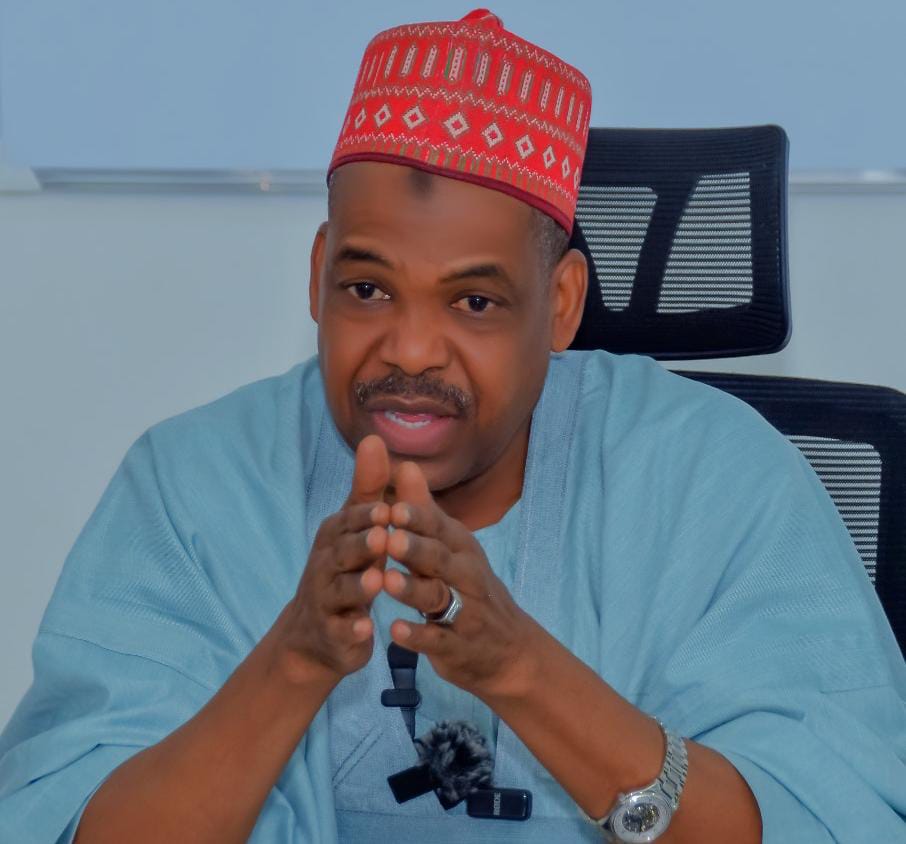
Our priority is to make sure that every citizen of Kano state has access to good healthcare services in any part of the state.
That the wards of Kano state commissioner for Health Dr. Abubakar Labaran Yusuf while remarking on the milestones reached in strengthening the health system and improving the wellbeing of citizens across the state.
Nabilusi Abubakar kofar Na’isa, the public relations officer of the Kano state ministry of health disclosed this in a statement sent to journalist in Kano on saturday.
READ ALSO: Kano Remains Most Successful in 2025 SSC Examinations as Declared by NECO — Commissioner
According to the statement, “Our priority is to make healthcare accessible, affordable, and effective for every citizen of Kano State.
He said these achievements are a testament to our collective commitment to saving lives and building a stronger health system.”
Through strategic planning, strong partnerships, and effective service delivery, the Ministry has successfully recorded a series of achievements. Primary Health Care (PHC) has been positioned as the backbone of the state’s health system through the Annual Operational Plan (AOP) and strategic frameworks. Citizens now benefit from free and accessible essential services, including immunization, mosquito nets, and contraceptives provided across communities.
The Ministry has also enhanced youth and community engagement by convening strategic meetings with Youth Champions and National Health Fellows to foster collaboration, raise awareness, and strengthen grassroots health action.
Diagnostic services have greatly improved with the distribution of test kits for HIV, Hepatitis, and other diseases, alongside enhanced maternal health interventions that boost early detection and treatment. In addition, health data systems have been upgraded with new operational and diagnostic assessment tools, ensuring evidence-based planning and effective surveillance.
The Ministry has earned national recognition and awards for reforms and effective leadership in health service delivery. Stronger partnerships with development partners, NGOs, and international agencies have also brought more support in emergency response, staff training, and medical supplies.
Capacity building has remained a priority, with continuous training programs organized for health workers to improve skills in disease control, maternal health, and emergency response. Public health campaigns have been intensified, focusing on maternal health, nutrition, family planning, and the prevention of communicable diseases.
Furthermore, bold steps have been taken in infrastructure and facility upgrades, improving health facilities, strengthening service delivery points, and ensuring that essential medicines and equipment are more accessible to citizens.