
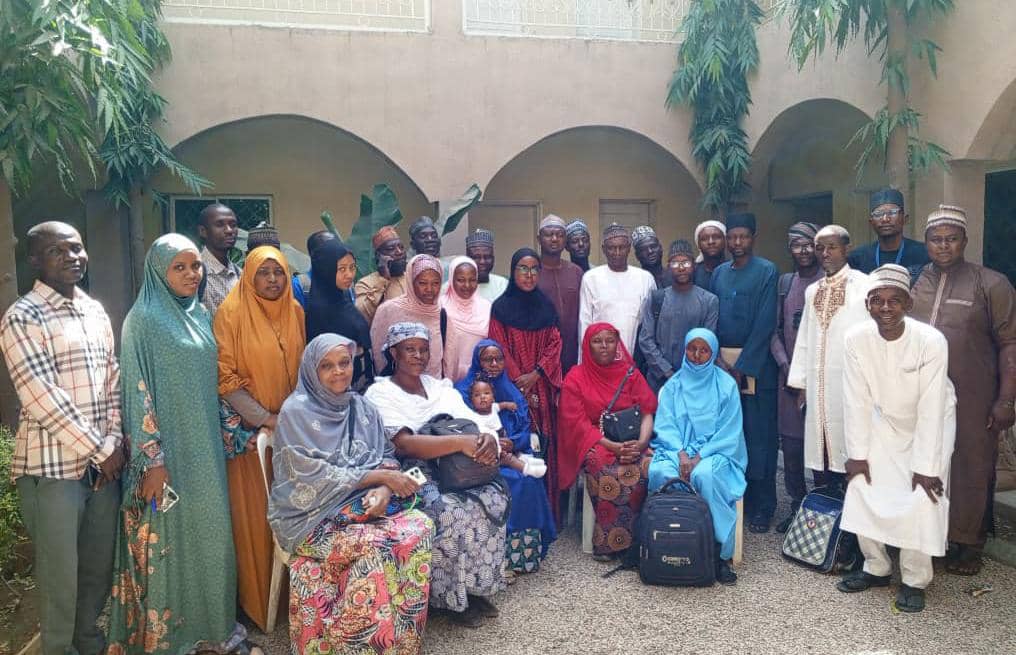
The Civil Society in Malaria Control Immunization and Nutrition (ACOMIN) has identified staff shortage, Malaria commodities stock-out and infrastructural decay as some of the challenges threatening healthcare facilities in some part of local government areas in Kano state.
Malam Sharif Abubakar, the Kano state programme officer of ACOMIN disclosed this at Kano state media meeting on the global fund malaria community-led monitoring project which was implemented by ACOMIN held in Kano on thursday.
According to him, across several facilities, inadequate staffing remains a significant barrier, stock-outs of essential drugs and testing commodities and deteriorating state of some facilities especially in rural areas continue to distrust services at different facilities in the state.
READ ALSO: ACOMIN Visits RUWASSA MD and Rano LGA Chair, Advocates for Improved Healthcare in Kano
“Many primary health centres operate with only one or two staff who must cover day and night shifts, leading to fatigue, burnout, an unruly attitude to patients, and inconsistent service delivery. The absence of security personnel also exposes facilities to theft and vandalism. Also, In the current and previous quarters, several facilities reported shortages of HIV test kits, antimalarial drugs, and rapid diagnostic tools, forcing patients to seek care elsewhere or abandon treatment altogether. So also, ageing buildings with cracked walls, leaking roofs, and inadequate ventilation pose safety risks for both patients and healthcare providers. In some facilities, there are no functional toilets, power supply, or storage spaces for drugs. These conditions compromise infection prevention, discourage service uptake, and erode the dignity of care that communities deserve,” added Sharif.
ACOMIN urges stakeholders to be involved, act decisively and collaborate to strengthen community health facilities across the country.
The state programmed officer also called on the federal, states and government councils in Nigeria to prioritize and heavily invest in recruiting qualified health workers especially in rural areas for better service delivery and supported adequate and timely supply of Malaria, Tuberculosis and HIV commodities in different healthcare centers.
“Community, Traditional, and Religious Leaders should play a vital role in strengthening trust and accountability within the health system. We encourage them to mobilize their communities to actively participate in monitoring the delivery of HIV, TB, and Malaria services, ensuring that identified gaps in staffing, health commodities supplies, and infrastructure are brought to the attention of relevant authorities. By leveraging their influence, these leaders can foster behavioral change, dispel myths about healthcare services, and advocate for improved government and partner investments in health facilities” added SPO.
In a remark, the Kano state chairman of ACOMIN Dr. Nura Haladu said ACOMIN will soon embark on partnership with some nongovernmental organizations aimed at strengthening awareness to local communities aimed at sensitizing pregnant women on how to take care of themselves before, during and after the pregnancy.
“Media play a significant role in shaping the society that why periodically we engage with the media and make them aware of the success story we have and how to escalate it so that the larger community will be aware and take ownership of their health facilities. We also encourage health talk to service providers at the facilities so that to sensitize women on why they are being given drugs A or B and how they will use it,” added.
He assured that ACOMIN will continue to sensitize and work closely with professionals so as to bridge the awareness gap between women and service providers.
Also speaking, the Hajiya Halima Bala Adamu, a representative of Kano state ministry of health said the ministry will soon embark on research on a variant of Malaria caused by the yet to be identified mosquito.
She said the state ministry of health in collaboration with Bayero university Kano are scheduled to take sample the mosquito conduct research and comes out with possible vaccines for possible cure of it.