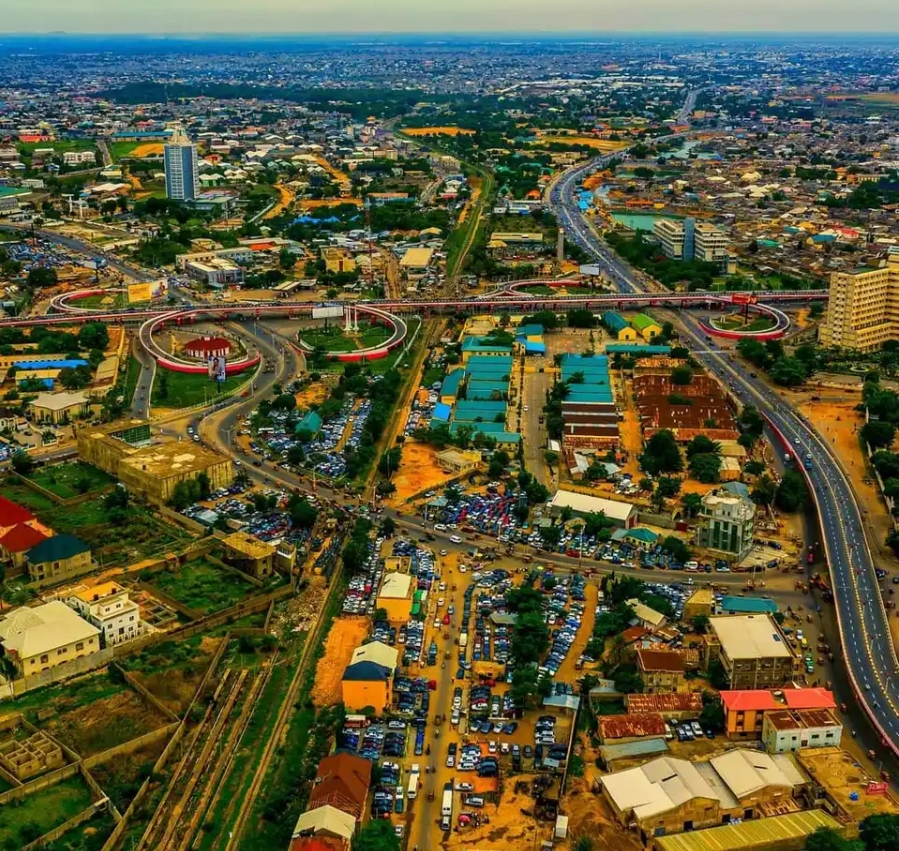
Urbanization has played a significant role in shaping the physical, social, and economic development of Kano Metropolis over the years.
As the largest city in Northern Nigeria and one of the country’s most important commercial centers, Kano continues to attract a large number of people from rural communities and neighboring states. This steady influx of people has contributed positively to economic growth, cultural diversity, and increased commercial activities.
However, the rapid and largely unplanned nature of this urban expansion has also given rise to serious environmental challenges, most notably flooding and environmental degradation.
The growth of Kano Metropolis is largely driven by rural-to-urban migration and natural population increase. Many individuals and families relocate to the city in search of better employment opportunities, access to education, improved healthcare services, and thriving commercial activities.
Areas such as Sabon Gari, Fagge, Dala, and Nassarawa have become major destinations for migrants due to their economic vibrancy.
Unfortunately, urban development and infrastructure provision have not kept pace with this rapid population growth. As a result, many residential settlements have developed without proper planning, basic services, or adherence to building regulations. This situation is particularly evident in areas such as Dorayi, Rijiyar Zaki, and parts of Gwale, where overcrowding and poor housing conditions are common.
Flooding remains one of the most persistent and damaging environmental problems facing Kano Metropolis. During the rainy season, heavy and prolonged rainfall frequently leads to flooding, especially in low-lying areas such as Jakara, Zoo Road, Court Road, and Sharada.
Inadequate drainage systems, shallow gutters, and narrow waterways make it difficult for rainwater to flow freely. Consequently, water accumulates on roads and within residential areas, flooding houses, schools, markets, and public facilities. These floods disrupt transportation, damage infrastructure, and cause significant economic losses for households and businesses.
Poor waste management practices have further worsened the flooding situation in Kano. In many parts of the city, residents indiscriminately dispose of solid waste such as plastic bags, bottles, and food remains into drainage channels, open spaces, and waterways.
Major commercial areas, including Sabon Gari Market, Kwari Market, and Gyadi-Gyadi, are particularly affected by blocked drains caused by accumulated refuse.
During rainfall, these blocked drainage systems prevent the free flow of water, leading to overflow into surrounding streets and residential neighborhoods.
Another major contributor to flooding in Kano Metropolis is the uncontrolled construction of buildings along natural waterways and flood plains. Settlements along River Jakara and the Challawa River have expanded rapidly without adequate environmental impact assessments or planning approval.
The occupation of these flood-prone areas reduces the natural capacity of rivers to contain excess water during heavy rainfall. As a result, nearby communities experience more frequent and severe flooding, often with devastating consequences.
Urbanization has also intensified various forms of environmental pollution within Kano Metropolis. Industrial activities in areas such as Sharada, Challawa, and Bompai generate large quantities of solid, liquid, and gaseous waste, some of which are discharged into the environment without proper treatment.
In addition, the widespread use of power generators due to unreliable electricity supply, as well as the open burning of refuse, has contributed significantly to air pollution. These practices pose serious health risks to residents, including respiratory illnesses, skin infections, and water-borne diseases.
Deforestation and the loss of green spaces represent another major environmental challenge associated with urban expansion in Kano. Trees and natural vegetation are frequently cleared to create space for housing, road construction, and commercial activities in areas such as Hotoro Area in Nassarawa local government, Gezawa, Kumbotso Ungogo, and along Zaria Road.
The removal of vegetation reduces the soil’s ability to absorb rainwater, increases surface runoff, and accelerates soil erosion. This process further aggravates flooding and undermines the city’s natural environmental balance.
The impacts of flooding and environmental degradation are most severely felt by low-income residents living in densely populated and poorly planned neighborhoods.
Flooding often leads to the displacement of families, destruction of property, contamination of water sources, and the spread of diseases such as malaria, cholera, and typhoid fever. These challenges deepen poverty, strain household resources, and reduce the overall quality of life for affected communities.
In response to these environmental challenges, the Kano State Government has introduced several interventions aimed at reducing flooding and improving environmental conditions. These measures include drainage rehabilitation projects, desilting of rivers, and improved waste management through agencies such as the Refuse Management and Sanitation Board (REMASAB). While these efforts have recorded some positive outcomes, their overall effectiveness is often limited by poor maintenance, inadequate funding, public non-compliance, and weak enforcement of environmental regulations.
In conclusion, urbanization in Kano Metropolis has brought both economic development and serious environmental challenges. Flooding and environmental degradation are largely the result of rapid population growth, inadequate urban planning, improper waste disposal, deforestation, and encroachment on natural waterways. To achieve sustainable urban development, there is an urgent need for comprehensive urban planning, improved drainage infrastructure, effective waste management systems, public environmental education, and strict enforcement of environmental laws. Only through coordinated efforts by government authorities, community members, and relevant stakeholders can Kano Metropolis achieve a healthier and more sustainable urban environment.