
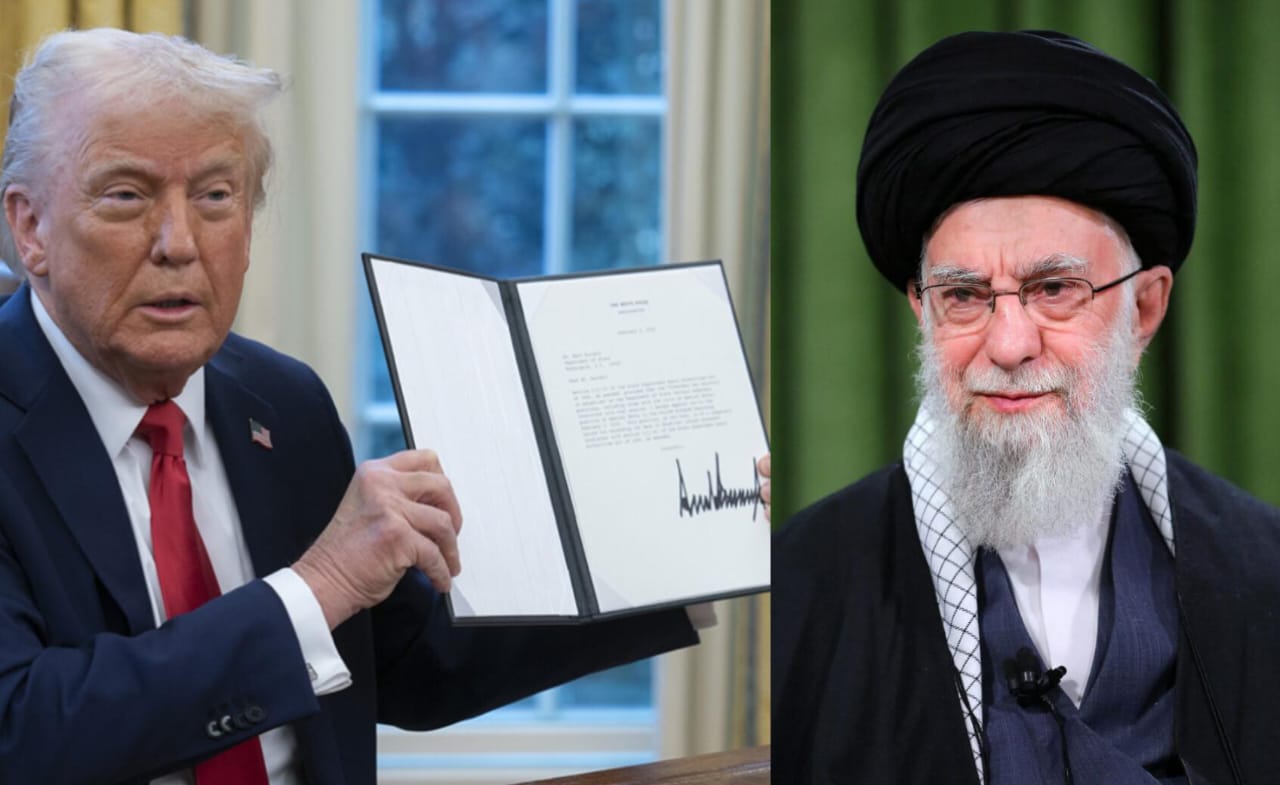
The United States (US) has moved to intensify economic pressure on Iran by authorizing tariffs on countries that continue doing business with Tehran, a step officials describe as an escalation of Washington’s “maximum pressure” strategy following the collapse of diplomatic talks.
The order, signed by President Donald Trump, stops short of immediate penalties but gives US agencies broad authority to target foreign trade partners seen as keeping Iran economically afloat.
Under the order, senior officials are empowered to identify countries that maintain significant commercial ties with Iran particularly in oil, energy, shipping and sanctioned goods and recommend tariffs on their exports to the US market.
READ ALSO: Tensions Escalate Across Middle East as Talks Between US and Iran Collapse
The measures are designed to function as secondary pressure, forcing third world countries to choose between access to the US economy and continued trade with Tehran.
Iran’s economy relies heavily on a small group of key partners. China is by far its largest customer, buying the majority of Iran’s oil exports and supplying manufactured goods and machinery.
Regional neighbors including the United Arab Emirates, Turkey and Iraq play an important role as trade hubs and transit routes, while India, Russia, Pakistan and Afghanistan maintain varying levels of commercial exchange, from energy to food and industrial products.
These ties have allowed Iran to blunt the impact of years of US sanctions.
The order works by targeting countries rather than individual firms. Once designated, a country’s exports entering the United States could face tariffs reportedly as high as 25 percent.
While US importers technically pay the tariffs, the economic burden typically spreads to foreign producers and consumers, creating political pressure on governments to scale back Iran-related trade.
The administration retains flexibility to raise, suspend or waive tariffs, turning the measure into both a punishment and a negotiating tool.
US officials argue the approach allows Washington to escalate pressure without resorting to military action, especially as tensions rise in the Middle East.
However, the policy carries significant risks. Imposing tariffs on major trading partners could strain relations with allies, disrupt global supply chains and push up energy prices, particularly if oil flows are affected.
There are also concerns that the strategy could harden Iran’s stance rather than moderate it.
Tehran has warned regional states against facilitating Washington action and has signaled it would respond forcefully to any direct attack.
Analysts caution that while the tariff order aims to coerce Iran economically, miscalculation on either side could accelerate a broader confrontation.
For now, the order underscores Washington’s attempt to use economic power as leverage after diplomacy stalled tightening the screws on Iran while weighing the global consequences of turning trade into a geopolitical weapon.