
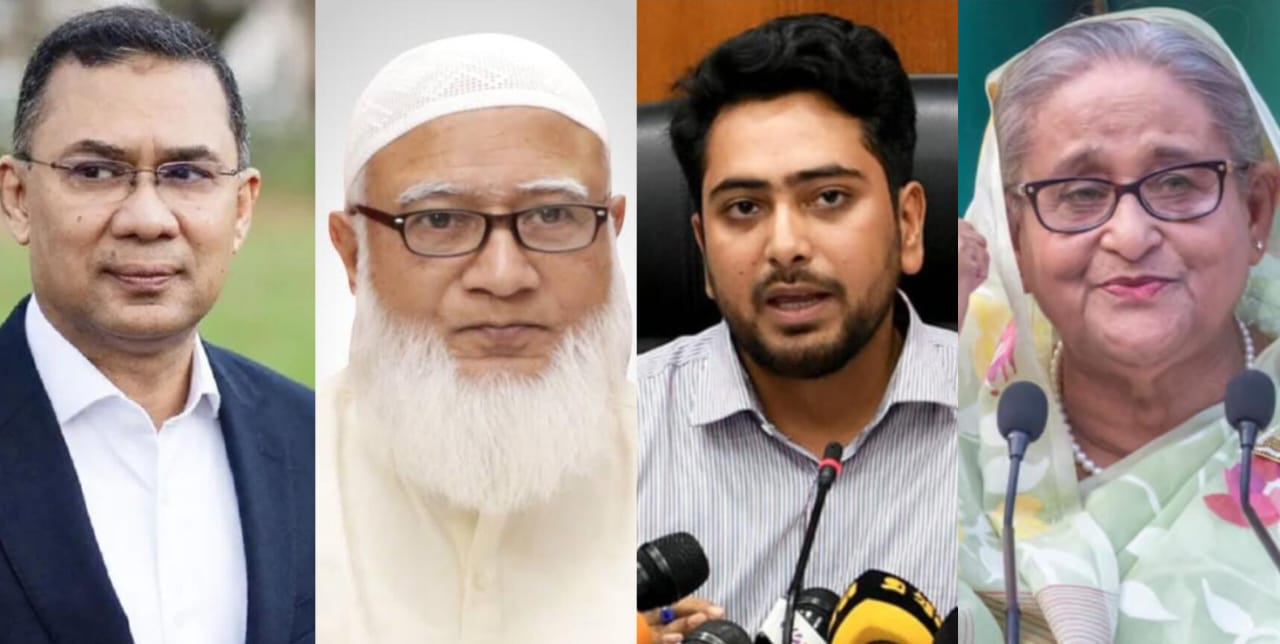
Bangladesh headed to the polls Thursday in what many observers describe as the most consequential election in the nation’s recent history, a vote seen as a decisive test of democratic restoration after years of political upheaval.
More than 120 million registered voters are eligible to cast ballots in the first national election since the 2024 uprising that reshaped the country’s political order.
But beyond political rivalry, this election is unfolding under extraordinary security measures, reflecting both its importance and the tensions surrounding it.
Security on High Alert
In the days leading up to the vote, isolated incidents of violence including crude bomb explosions near several polling centers heightened anxiety across parts of the country.
While no major casualties were reported, authorities described the incidents as attempts to intimidate voters and disrupt the democratic process.
In response, the government deployed tens of thousands of police officers, paramilitary personnel and border guards nationwide. Security checkpoints were set up along highways, patrols intensified in urban centers, and surveillance increased in constituencies considered politically sensitive.
Election officials assured the public that law enforcement agencies were fully prepared to maintain order. “Every measure has been taken to ensure voters can cast their ballots safely,” a senior official said.
Still, tension has remained palpable. Rival party supporters have clashed during campaign rallies in recent weeks, and human rights organizations have urged all political actors to exercise restraint. Analysts warn that how parties and supporters react to the results could prove as critical as the voting itself.
The BNP: A Promise of Political Reset
At the forefront of the contest is the Bangladesh Nationalist Party (BNP), led by Tarique Rahman, who has reemerged as a central political figure after years abroad. The BNP positions itself as the party of political change and institutional reform.
Campaigning on anti-corruption, governance reform and economic stabilization, the BNP has promised to restore what it calls “democratic balance” after years of centralized authority. The party draws support from voters seeking a political reset particularly those frustrated with inflation, unemployment and concerns over civil liberties.
For many of its supporters, a BNP victory represents a return to competitive multiparty politics and a recalibration of state power.
Critics caution, however, that deep political polarization could complicate governance if tensions persist.
Jamaat-e-Islami and Allied Forces: Faith, Identity and Conservative Reform
Another significant force in the election is Jamaat-e-Islami, participating through alliances after regaining political footing. Jamaat presents itself as a party rooted in Islamic values, moral governance and social conservatism.
Its platform emphasizes ethical leadership, social justice framed through religious principles, and stronger cultural identity.
Supporters argue that Jamaat offers disciplined governance and grassroots organization, particularly in rural and religiously conservative communities.
Opponents remain wary of the party’s ideological stance, raising concerns about secularism and minority protections. Its growing visibility in the race has added to the broader national debate about the country’s social and political direction.
Youth-Driven Political Movements: A New Generation’s Voice
Emerging from the 2024 protest movement are youth-aligned political groups seeking to redefine the political conversation. These parties emphasize transparency, generational change and economic modernization.
Their appeal lies largely among first-time voters and urban youth, many of whom were instrumental in the mass demonstrations that triggered political transformation. They represent a push for accountability, digital innovation and employment-focused policies aimed at Bangladesh’s expanding workforce.
While these newer movements may lack the organizational depth of established parties, they symbolize a shifting political culture shaped by a generation demanding structural reform.
The Shadow of the Awami League
Notably absent from the ballot is the once-dominant Awami League, whose years in power significantly influenced the country’s political trajectory. Its absence has intensified competition among remaining parties while also raising questions about long-term political inclusivity and stability.
For some voters, the election marks a new chapter after prolonged dominance by a single political force. For others, it introduces uncertainty in a system already under strain.
High Stakes for the Nation
Beyond party platforms, the election carries profound implications for Bangladesh’s economic recovery and international standing. The country’s vital garment industry faces global pressures, inflation has strained household incomes, and youth unemployment remains a pressing challenge.
Each major party frames solutions differently whether through institutional reform, faith-based governance principles or generational transformation. Yet all operate within a tense security environment that underscores how fragile the moment remains.
As ballots are cast under tight protection, Bangladesh stands at a crossroads. The election is not only a contest between parties but a broader test of whether democratic processes can proceed peacefully amid polarization and unrest.
In a nation shaped by political struggle and resilience, this vote represents both a risk and an opportunity: a risk of renewed confrontation if tensions escalate, and an opportunity to reaffirm democratic norms through participation, restraint and acceptance of the outcome.