
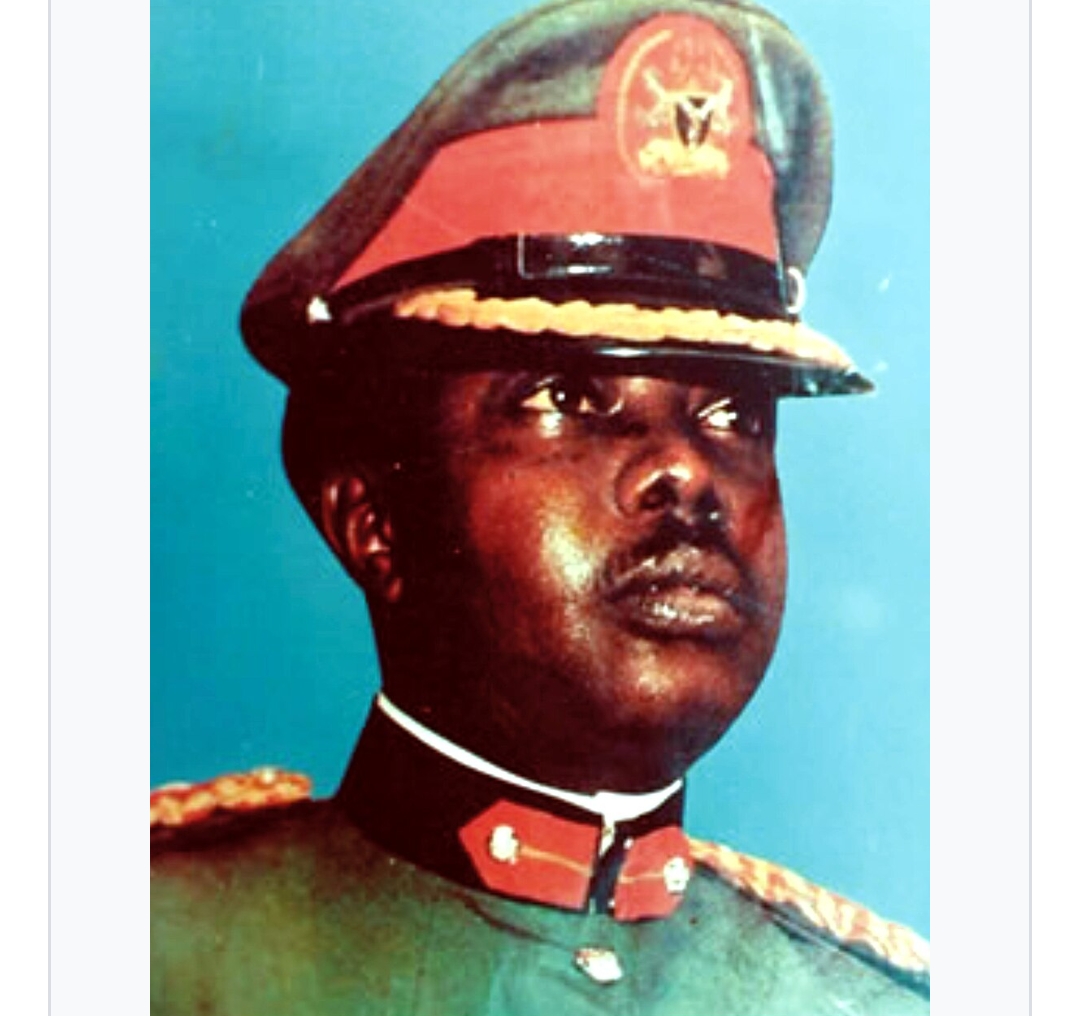
BY: AMINU SALISU DWOLF, KANO
Today marks 50 years since the assassination of former Nigerian Head of State, Murtala Ramat Muhammed, a leader whose brief but dynamic rule left an enduring mark on Nigeria and the African continent.
On February 13, 1976, the young military ruler was killed during an attempted coup in Lagos, then Nigeria’s capital.
He was just 37 years old. Though he governed for only about 200 days, his leadership style and decisive reforms reshaped the nation’s direction and elevated Nigeria’s standing across Africa.
A Leader of Swift Action:
Coming to power in 1975, Muhammed quickly moved to confront corruption and inefficiency within the public service.
His administration carried out sweeping reforms, retiring and dismissing officials found wanting and restructuring the civil service to restore discipline and accountability.
One of his most enduring legacies was the decision to relocate Nigeria’s capital from Lagos to Abuja, a move aimed at promoting national unity and ensuring a more centrally located administrative hub. Today, Abuja stands as a testament to that vision.
He also oversaw the creation of seven new states in 1976, increasing the number from 12 to 19, bringing governance closer to the people and reshaping Nigeria’s federal structure.
Champion of African Liberation:
Beyond Nigeria’s borders, Muhammed became a powerful voice for African independence and self-determination.
His government openly supported liberation movements in Southern Africa, particularly in Angola and Zimbabwe, reinforcing Nigeria’s role as a frontline state against colonialism and apartheid.
His bold declaration that “Africa has come of age” signaled a new era of assertive foreign policy. Under his leadership, Nigeria adopted a more independent stance in global affairs, prioritizing African interests and unity.
A Life Cut Short:
Muhammed’s assassination shocked the nation and the continent. His deputy, Olusegun Obasanjo, succeeded him and continued the transition program that eventually returned Nigeria to civilian rule in 1979.
Half a century later, his memory remains woven into Nigeria’s national identity. The country’s busiest airport, Murtala Muhammed International Airport, bears his name a daily reminder of a leader many regard as courageous, disciplined, and uncompromising in his pursuit of national progress.
Legacy of Courage:
Fifty years after his death, tributes continue to pour in from across Nigeria and beyond.
For many, Murtala Ramat Muhammed symbolizes integrity in leadership, bold decision-making, and a deep commitment to African dignity.
Though his time in office was brief, his impact was profound.
History remembers him not only as a Nigerian hero but as a statesman whose voice resonated across Africa a leader whose legacy still challenges today’s generation to pursue reform, justice, and national unity with courage.