
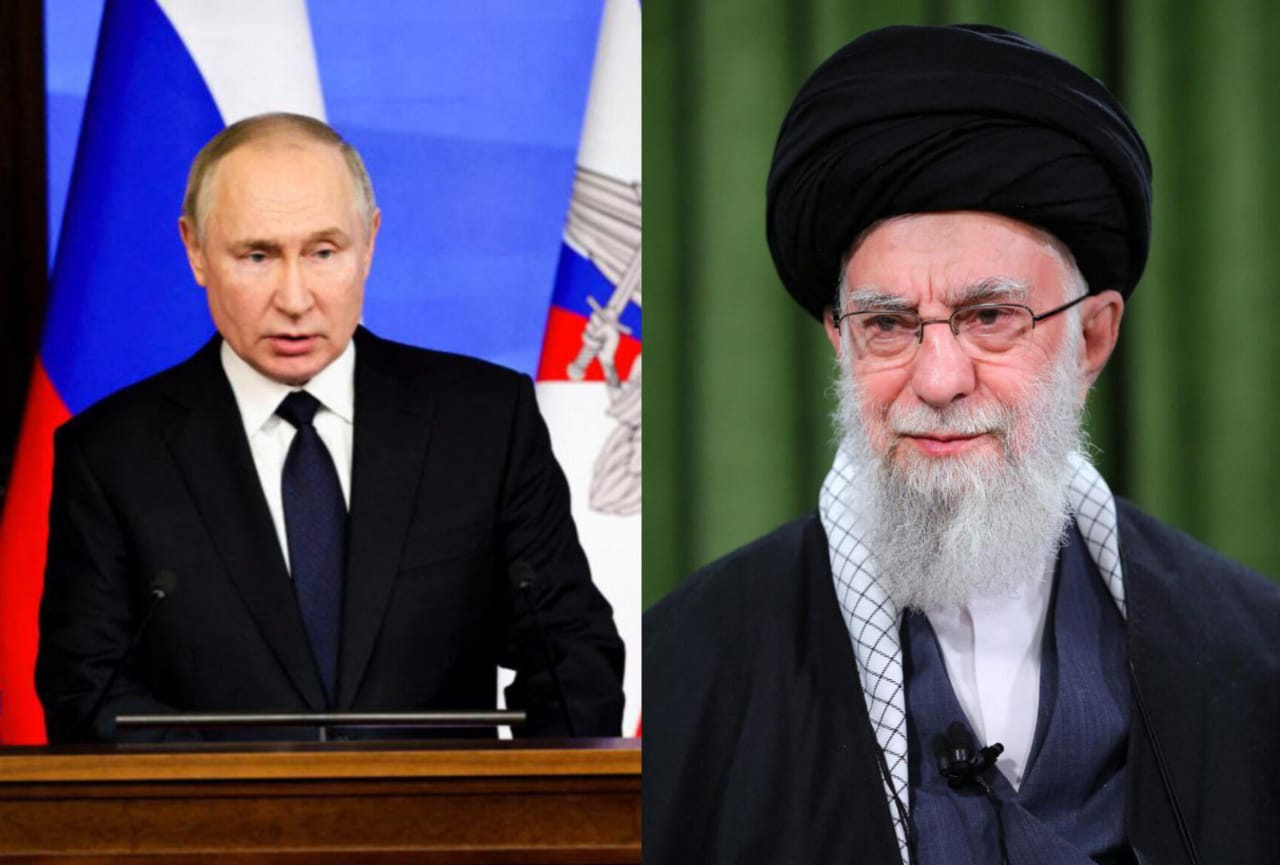
The Russian Federation and the Islamic Republic of Iran are preparing new joint military exercises, underscoring a deepening defense partnership that carries significant regional and global implications.
While not bound by a formal mutual-defense treaty, the two countries are increasingly coordinating operations particularly in naval activities focused on securing key maritime routes and enhancing tactical interoperability.
The drills are expected to involve coordinated naval maneuvers, communications integration, and simulated security operations. Beyond training, such exercises serve as political signals of alignment and military readiness.
READ ALSO: U.S Tariff Executive Order Raises Pressure on Iran, Risks Global Trade Fallout
Russian Nuclear Superpower with Global Reach
Russia remains one of the world’s leading military powers. Its strategic nuclear arsenal guarantees global deterrence and secures its position as a top-tier security actor.
Conventionally, Russia fields large ground forces, advanced air defense systems, long-range missiles, and a blue-water navy including nuclear submarines.
Although prolonged conflict has strained its conventional forces, Russia has adapted through expanded defense production and mobilization.
It retains the ability to project power selectively beyond its borders.
Iran Regional Power with Asymmetric Strength
Iran commands one of the largest militaries in the Middle East and relies heavily on ballistic missiles, drones, and layered air defenses for deterrence.
Its naval doctrine emphasizes asymmetric tactics, fast attack craft, anti-ship missiles, and unmanned systems particularly suited for operations in strategic chokepoints.
Iran’s growing drone industry has become a central pillar of its military capability.
Meanwhile, the joint exercises highlight complementary strengths: Russia’s strategic and long-range capabilities paired with Iran’s regional and asymmetric expertise. While not a formal alliance, their cooperation reflects shared geopolitical interests and increasing operational coordination.
The drills send a clear message despite sanctions and ongoing conflicts, both Russia and Iran intend to remain active and influential military actors on the global stage.