
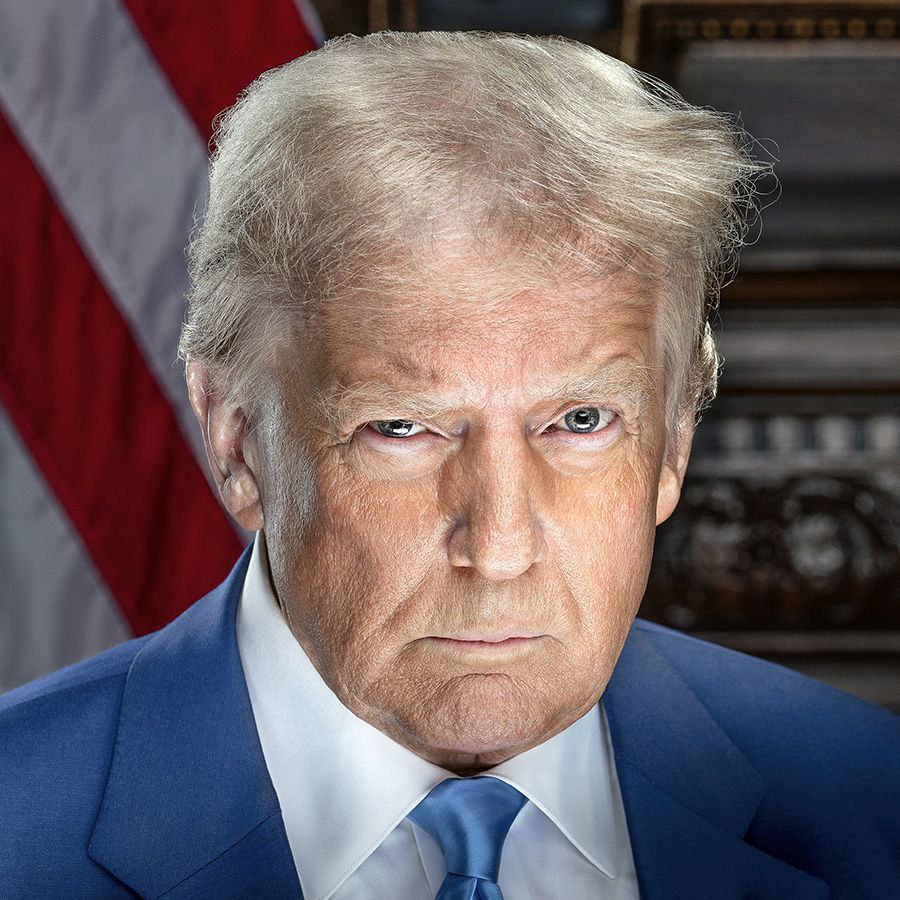
In what was described as a landmark decision, the Supreme Court of the United States has invalidated most of former President Donald Trump’s sweeping global tariffs, ruling that the administration exceeded its authority under the International Emergency Economic Powers Act (IEEPA).
The decision not only reshapes presidential trade powers, it potentially sets the stage for one of the largest government refund processes in modern U.S. economic history.
In a 6–3 decision, the Court concluded that the Constitution grants Congress not the president the authority to impose taxes and tariffs. While Congress can delegate certain trade powers to the executive branch, the justices ruled that IEEPA did not provide clear authorization for the broad tariff regime imposed under Trump.
READ ALSO: ICPC Confirms El-Rufai in Custody Over Ongoing Investigation
The ruling invalidates the legal basis for many of the global tariffs enacted during his administration. However, tariffs imposed under other trade statutes remain unaffected.
Legal scholars say the decision reinforces a key constitutional principle: emergency powers cannot be used to bypass Congress on matters of taxation without explicit legislative backing.
The Refund Question: Potentially Hundreds of Billions
The most immediate and consequential issue now facing the federal government is money.
Over several years, importers paid substantial duties under the now-invalid tariffs.
Estimates suggest the total collected under the struck-down authority could exceed $130 billion to $170 billion.
Because the Court ruled that the tariffs were unlawful, companies that paid those duties may now seek refunds. But the process will not be automatic.
Importers must likely:
- File administrative protests with U.S. Customs
- Pursue claims through federal courts
- Demonstrate that their payments fall under the invalidated tariff authority
The Court did not issue a direct order requiring immediate reimbursement. Instead, it cleared the legal path for claims to proceed.
A Complex and Lengthy Process Ahead
Refunding such a vast sum presents logistical and fiscal challenges:
- The Treasury would need to process thousands of claims.
- Courts may face waves of litigation over eligibility and calculations.
- Budget planners must account for the potential outflow of funds.
The refund process could take months — or even years to resolve fully.
Some businesses may recover substantial amounts, particularly manufacturers and retailers heavily affected by global supply-chain tariffs. Others may face procedural hurdles if deadlines or documentation requirements limit claims.
Political and Economic Impact
The ruling is a significant setback for Trump’s trade legacy, which relied heavily on aggressive tariff policy as leverage in global negotiations.
Economically, the decision introduces both relief and uncertainty. Businesses may welcome the possibility of refunds, but questions remain about whether a future administration could attempt to reimpose similar tariffs under different legal authorities.
Financial markets are watching closely. A refund obligation of this scale would have implications for federal budgeting, deficit projections, and economic forecasting.