
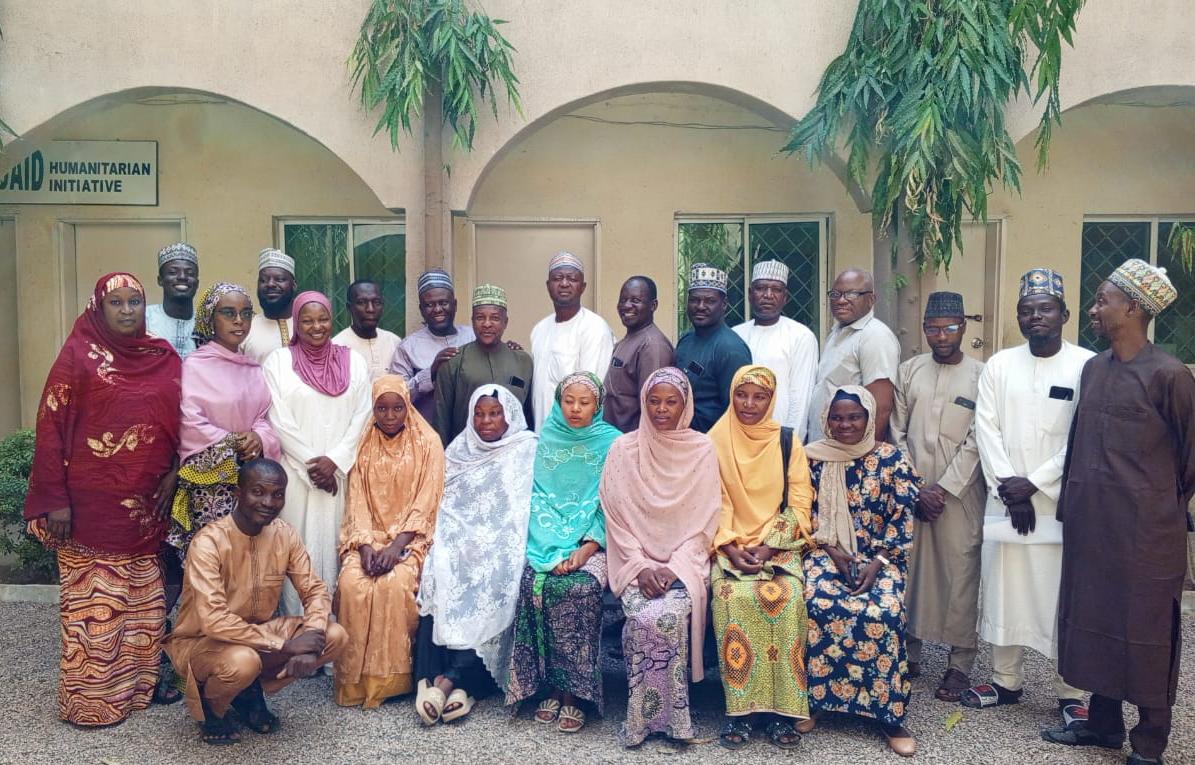
The Association of Civil Societies in Malaria Control, Immunization and Nutrition (ACOMIN) has called for stronger government and stakeholder action toward addressing challenges affecting HIV/AIDS, tuberculosis and malaria healthcare services in Kano State.
The call was made during Media meeting held in Kano between ACOMIN, media practitioners and grassroots civil society organisations to review successes and challenges recorded during the last quarter of public health interventions across communities.
The meeting brought together healthcare advocates, community organisations and development stakeholders to assess progress made in healthcare awareness, disease prevention and community support programmes while identifying major obstacles affecting healthcare delivery in the state.
READ ALSO: ACOMIN Visits KSPHCMB, Urges End to Staff Shortages at Some Health Facilities in Kano
Speaking during the engagement, the Kano State Programme Officer of ACOMIN, Malam Sharif Abubakar, highlighted some of the successes recorded during the last quarter of activities.
According to him, the organisation and its partners successfully supported the renovation of some healthcare facilities and provided sanitation equipment aimed at improving hygiene and healthcare service delivery in communities.
He explained that ACOMIN also intensified awareness campaigns, community mobilization and health education programmes targeting vulnerable populations in both urban and rural areas.
Sharif noted that the interventions were designed to strengthen healthcare systems, improve access to treatment and promote disease prevention across communities.
Despite the achievements recorded, participants at the meeting identified several challenges affecting healthcare delivery, particularly in the areas of HIV/AIDS, tuberculosis and malaria services.
Some of the major concerns raised during the engagement included weak referral systems, treatment interruptions, shortage of trained healthcare workers, inadequate medical equipment and worsening economic hardship affecting patients.
Stakeholders observed that weak referral systems continue to delay access to treatment for many patients, particularly those diagnosed with tuberculosis and HIV.
According to the discussions, some Primary Healthcare Centres (PHCs) handling severe malaria cases are not adequately linked to secondary healthcare institutions for proper referrals and specialized treatment.
Participants also expressed concern over treatment interruptions caused by rising transportation costs, shortage of medications and disruptions in healthcare services.
The meeting further highlighted the shortage of trained healthcare workers at many primary healthcare centres across Kano State.
According to stakeholders, healthcare personnel at several PHCs are often forced to handle multiple responsibilities, including patient screening, counselling, testing, dispensing drugs and record keeping, thereby affecting the quality of healthcare services.
Speaking during the engagement, the Chief Executive Officer of ACOMIN, Dr. Nura Haladu, called on the Kano State Government to urgently address the shortage of healthcare workers, especially at primary healthcare centres in rural communities.
He stressed that improving manpower in the health sector remains critical to strengthening disease control programmes and improving healthcare outcomes for residents.
Dr. Haladu also emphasized the need for stronger investment in healthcare infrastructure, essential medications, diagnostic equipment and community-based healthcare services.
According to him, addressing the identified challenges would significantly improve continuity of care and reduce preventable deaths associated with HIV/AIDS, tuberculosis and malaria.
The ACOMIN Chief Executive Officer further called for stronger collaboration between government agencies, development partners, civil society organisations and healthcare stakeholders in improving public health interventions.
Also speaking at the meeting, the representative of the Kano State Primary Healthcare Management Board (KSPHCMB), Hafsat Bello Bari, commended ACOMIN and the civil society organisations working with the network for their contributions toward strengthening healthcare services in rural communities.
She praised the organisations for their efforts in enlightening, training and supporting healthcare workers at primary healthcare centres on their statutory responsibilities.
According to her, the interventions by ACOMIN and its partners have contributed significantly toward improving healthcare awareness and community participation in public health programmes.
The stakeholders at the meeting jointly called on governments at all levels, development partners, private sector organisations, philanthropists, media practitioners and community leaders to support efforts aimed at strengthening healthcare systems and reducing barriers to treatment.
They stressed that collective action remains necessary to address gaps in healthcare delivery and improve health outcomes for Nigerians affected by HIV/AIDS, tuberculosis and malaria.
The engagement reflects growing efforts by civil society organisations and healthcare stakeholders to improve public health awareness, strengthen disease prevention programmes and promote better healthcare delivery across Kano State.