
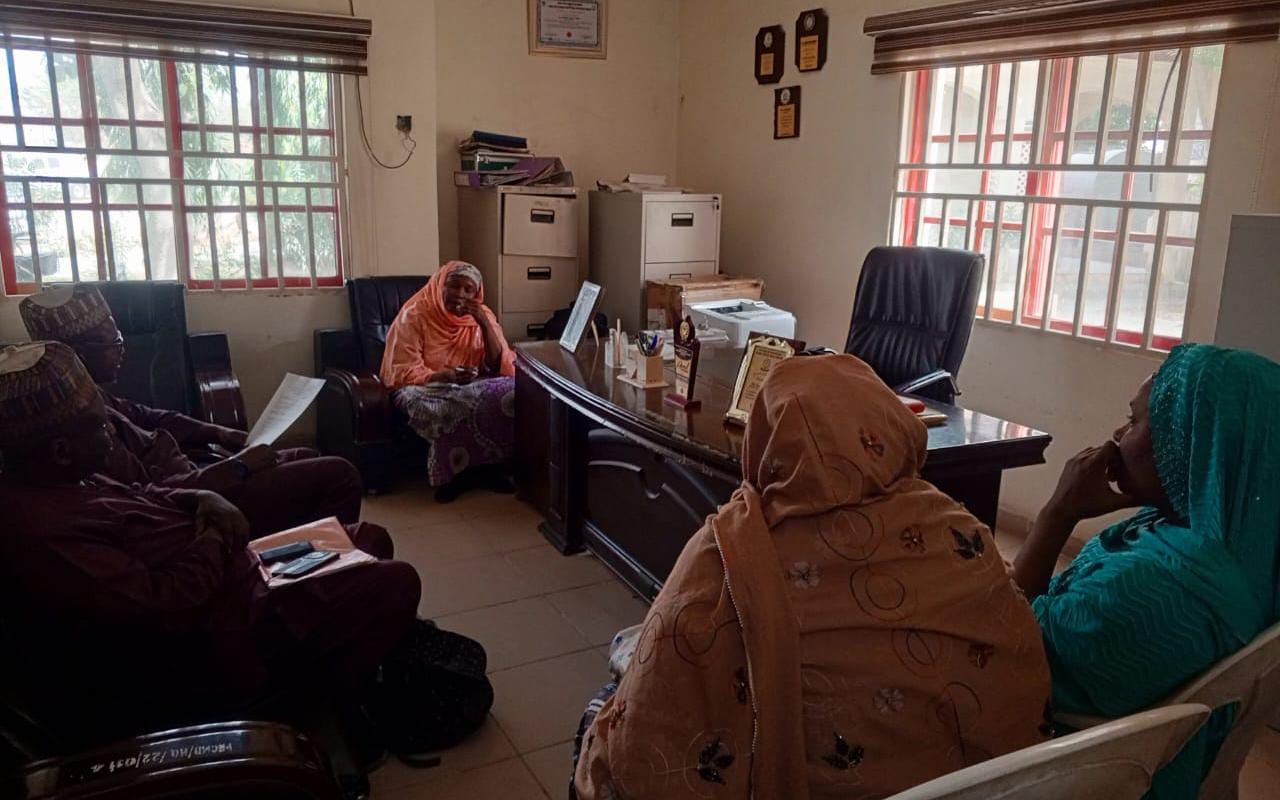
The Civil Society in Malaria Control, Immunization, and Nutrition (ACOMIN) has called on the Kano State Primary Health Care Management Board (KSPHCMB) to urgently address staffing shortages at several primary health care facilities across Kano State.
During a recent advocacy visit to the agency, ACOMIN’s Kano state program officer Malam Sharif Abubakar presented findings from their Q9 field activities highlighting critical gaps in personnel at key health posts.
Among the facilities identified were; Dangurmi Health Post, Sansan Ward, Danbatta LGA – inadequate staff, Bumbum Health Post, Saye Ward, Bichi LGA – need for additional staff, the Yammawar Wanzamai Health Post, Ajumawa Ward, Danbatta LGA – inadequate staff and Taka Kwadi Health Post, Utai Ward, Wudil LGA – inadequate staff.
Speaking during the visit, Malam Sharif Abubakar urged the agency to send a team for site assessments and further discussions to address these staffing gaps as soon as possible.
“These shortages are affecting service delivery, particularly malaria control, immunization, and nutrition programs in rural communities,” he said.
The ACOMIN team was received by Hajiya Hafsat Bello Bari, Malaria Focal Person in the Department of Disease Control at KSPHCMB, who engaged with the team on ongoing state initiatives and potential areas for collaboration.
Emphasizing civil society’s role in improving health outcomes, Dr. Nura Haladu, Kano State Chairman and Chief Executive Officer of ACOMIN in Kano stated that the group are partners in progress.
“Together with the state government, we can ensure that communities receive the quality healthcare services they deserve,” said Nura Haladu.
Healthcare experts warn that staff shortages at primary health centers can lead to delayed treatment, reduced immunization coverage, poor malaria prevention, and increased malnutrition rates among children.
ACOMIN’s call highlights the urgent need for recruitment and deployment of qualified health personnel in Danbatta, Bichi, Wudil and other LGAs in the state.
By combining advocacy, community sensitization, and direct engagement with government agencies, ACOMIN continues to push for strengthened health services and improved ownership of local health facilities by the communities they serve.