
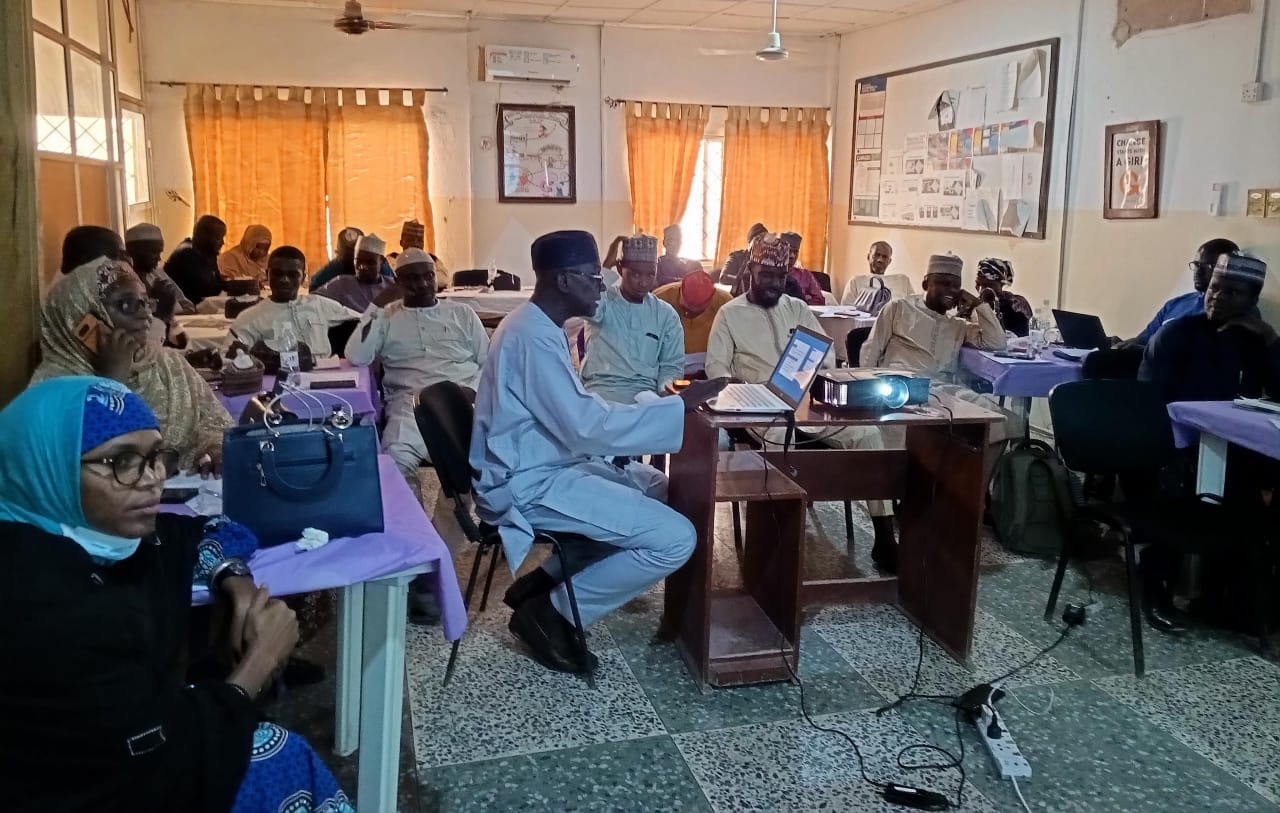
The Adolescent Health and Information Projects (AHIP) has stepped up efforts to discourage irregular migration by partnering with media organizations to raise awareness across Kano State, while also building community resilience through sustainable livelihood initiatives.
Hajiya Halima Kasim, the project manager of ROOTS (Resilient Opportunities for Outreach, Trade and Sustainability) said the program is aimed at Increasing agricultural resilience and inclusive livelihood opportunities for vulnerable communities and reduced migration-related risks among youth through sustainable empowerment opportunities, governance, coordination, and institutional capacity of state and non-state actors to effectively
implement migration management, and livelihood initiatives.
According to her, the goal is to strengthen climate resilience, inclusive livelihoods, and safe migration pathways for women, youth, returnees, and small holder farmers in Kano State.
READ ALSO: NEMA Repatriates 975 Stranded Nigerians from Niger Republic
“By addressing the root causes of irregular migration through climate-smart agriculture, economic empowerment, gender-responsive governance, and improved migration management systems,” said the manager.
She said the intervention follows growing concerns that Kano State has increasingly become a major transit route for irregular migration, particularly among adolescents and young people seeking better opportunities in foreign countries. Adding that “many of these journeys expose migrants to serious risks, including human trafficking, exploitation, detention, and loss of life.”
The program targets 70 percent women and 30 percent men, reflecting the organization’s focus on supporting groups most vulnerable to economic hardship and migration pressures.
Through radio programs, media engagements, and community outreach, AHIP worked with journalists and media practitioners to amplify messages that discourage unsafe migration practices and encourage local solutions.
Hajiya Mairo Bello Garko, the chief executive officer of AHIP said the program was implemented in Dala, Ungogo, and Bunkure local government areas of Kano state, communities identified as being significantly affected by unemployment, irregular migration, climate-related challenges, and migration pressures.
According to her, combining media advocacy with community engagements, gender-responsive economic empowerment initiatives is key to addressing the root causes of irregular migration.
The organization emphasized that equipping communities with skills, knowledge, and viable livelihood opportunities helps reduce desperation and strengthens long-term resilience.
In a paper presentation, the former chairman of the Kano state council of the Nigeria Union of Journalists comrade Abbas Ibrahim who discussed extensively on the “The Roles of Media in Preventing Irregular Migration” said Raising Awareness in Media platforms namely Radio, TV, Newspapers and social media inform communities about the dangers of irregular migration, including human trafficking, exploitation, detention, and death.
He said media helps people, especially young people, understand the risks, as many young people decide to migrate based on rumors or false promises of employment and wealth abroad.
“Media campaigns can debunk myths and provide accurate information about safe migration pathways or legal alternatives,” he said.
“By showcasing stories of migrants’ experiences or successes of local programs, media can pressure governments and organizations to implement policies that create safer opportunities,” the facilitator said.
He urged the media to promote local opportunities like skills training, entrepreneurship, and climate-smart agriculture, showing that economic empowerment is possible at home. Continuous media messaging helps communities develop resilience against the social pressures that drive migration. It engages parents, youth groups, and local leaders to create supportive environments for young people.
The facilitator urged the journalist, social media influencers and the general public to come out with stories, past experiences with the aimed of discouraging people from engaging in irregular migrations in Nigeria.