
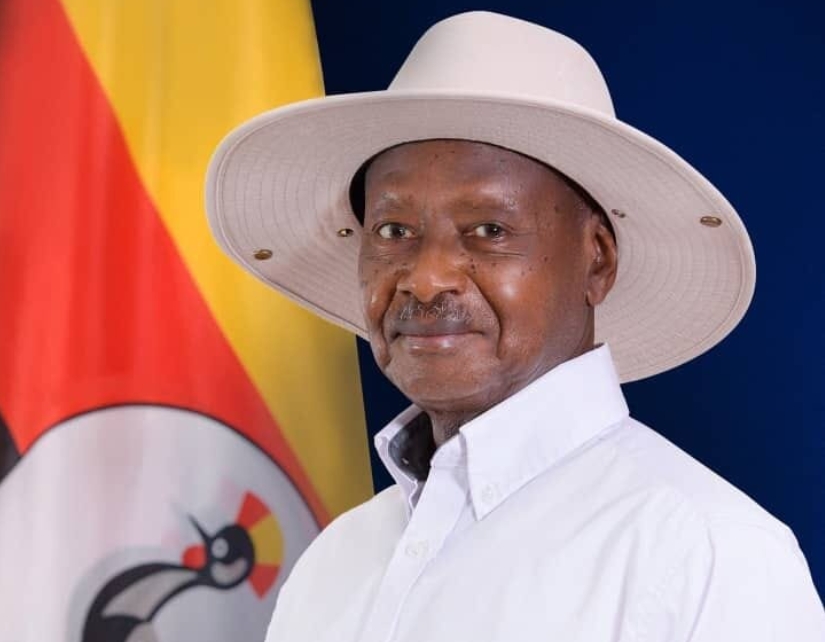
President Yoweri Museveni has been declared the winner of Uganda’s presidential election, extending his hold on power to nearly 40 years since first taking office in 1986.
According to the Electoral Commission, Museveni won with about 71.6% of the vote, defeating his main challenger, opposition leader Robert Kyagulanyi (Bobi Wine), who garnered approximately 24.7%.
The victory gives Museveni a seventh term as head of state, reinforcing his position as one of Africa’s longest-serving leaders.
READ ALSO: ICPC, Uganda Explore Collaboration on Constituency Projects Tracking
While the government described the election as peaceful and credible, opposition parties rejected the results, alleging electoral irregularities, intimidation of supporters, and restrictions on campaigning and communication, including temporary internet shutdowns.
A long rule, renewed mandate
Museveni’s supporters argue that his continued leadership offers stability, especially in a region prone to conflict.
Over his four decades in power, Uganda has seen periods of economic growth and relative security compared to the years before 1986.
However, critics say the length of his rule has weakened democratic institutions and limited political competition.
Challenges facing the new term
As Museveni begins another term, Uganda faces significant challenges that are expected to dominate the political agenda:
Economic pressure and unemployment: Youth unemployment remains high, and many households are struggling with a rising cost of living. Creating jobs for a rapidly growing, youthful population will be a central test of the new government.
Governance and political tensions: Post-election divisions, allegations of repression, and concerns over human rights are likely to keep relations tense between the government, opposition groups, and civil society.
Public services: Many Ugandans continue to face difficulties accessing quality healthcare, education, clean water, and reliable electricity, particularly in rural areas.
Food insecurity and refugees: Millions remain vulnerable to food shortages, while Uganda hosts nearly two million refugees, placing pressure on public services and international aid.
Climate and agriculture: Climate-related shocks such as droughts and floods are increasingly affecting agriculture, a key sector for employment and food security.
Analysts say Museveni’s new term will be closely watched both domestically and internationally.
Expectations include efforts to stabilize the economy, manage public debt, and respond to social pressures, while critics anticipate continued debate over political freedoms and democratic reform.
How the government balances security, development, and political openness will shape Uganda’s direction in the coming years.