
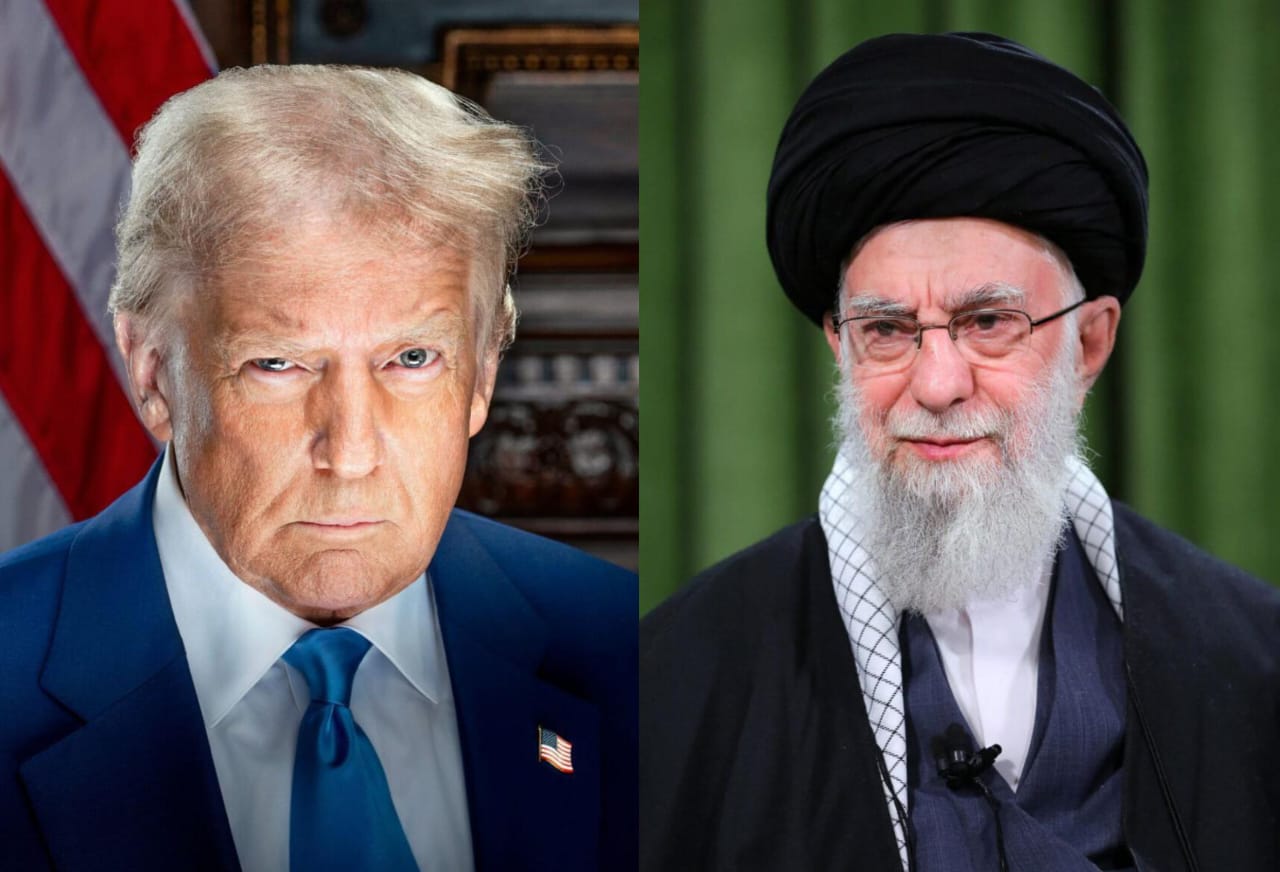
The Islamic Republic of Iran has directly informed several Gulf Arab states that any United States military offensive against it would trigger far more decisive retaliation than past limited responses.
According to regional diplomatic sources and defence analysts, the attack would include strikes on American military bases in the region.
Iran’s rhetorical escalation follows a significant build-up of US military assets in the Middle East, including additional warships, carrier strike groups and fighter jets, as Washington warns Tehran against further nuclear development and the violent repression of protests within Iran.
READ ALSO: UAE Rules Out Use of Its Bases for Any Attack on Iran
Senior Iranian officials have reportedly conveyed the message to states including Qatar, the United Arab Emirates, Turkey and others hosting U.S. forces, urging them to prevent American military action.
Tehran has told these governments that U.S. bases on their territory would be legitimate targets if they support or permit strikes against Iran and a departure from previous limited retaliatory actions that were coordinated to avoid casualties.
In past engagements such as a June 2025 missile strike on Al Udeid Air Base in Qatar, Iran issued warnings in advance, allowing authorities to coordinate defensive measures and avoid Allied casualties. That strike was widely interpreted as symbolic retaliation rather than a deliberate attempt to inflict mass harm.
Size of U.S. Military Footprint
The United States maintains a substantial military presence in the Middle East, with around 40,000–43,000 troops stationed across countries including Qatar, Bahrain, Kuwait, UAE, Iraq and others.
These forces operate from major bases such as Al Udeid in Qatar, Naval Support Activity Bahrain and multiple air and logistics bases throughout the region making them potential targets in the event of broader hostilities.
Iran’s Strategic Posture
Iran’s Supreme Leader and military command have reiterated that Tehran would respond forcefully to any U.S. attack, warning that such a move would not remain isolated but could spiral into a wider regional conflict.
Supreme Leader Ayatollah Ali Khamenei has emphasised that Iran does not seek war but will strike back “strongly” if attacked, framing the standoff as existential to Iranian security.
Iran has also announced live-fire naval drills near the Strait of Hormuz, a critical global shipping checkpoint underscoring the strategic leverage it holds over international oil traffic should a confrontation widen.
Possible Outcomes of Full-Scale War Erupts
A direct U.S. strike on Iranian territory could quickly draw in allied militias and proxy forces across Iraq, Syria, Lebanon and Yemen, widening the battlefield beyond Tehran and Washington.
Hezbollah in Lebanon and Houthi forces in Yemen have previously demonstrated capability and willingness to strike U.S. interests in support of Iran.
Gulf Cooperation Council members hosting U.S. troops could find themselves in the crosshairs, not only from Iranian missiles but also from missile defence responses and disruptions.
Some allies have already informed Washington that they will not permit their territory or airspace to be used for offensive operations against Iran.
Global Economic Impact:
A military confrontation would likely disrupt oil exports through the Persian Gulf, driving energy prices sharply higher worldwide and unsettling global markets.
Recent volatility in Gulf stock exchanges highlights investor anxiety over looming conflict and its potential fallout.
Beyond the battlefield, civilian populations across the region would face displacement, infrastructure destruction and heightened humanitarian crises.
The internal unrest in Iran itself already resulting in significant casualties underscores domestic pressures that a war would only magnify.
Despite the escalation, there are signs of diplomatic channels still functioning, with occasional back-channel efforts and Gulf mediators pushing for de-escalation.