
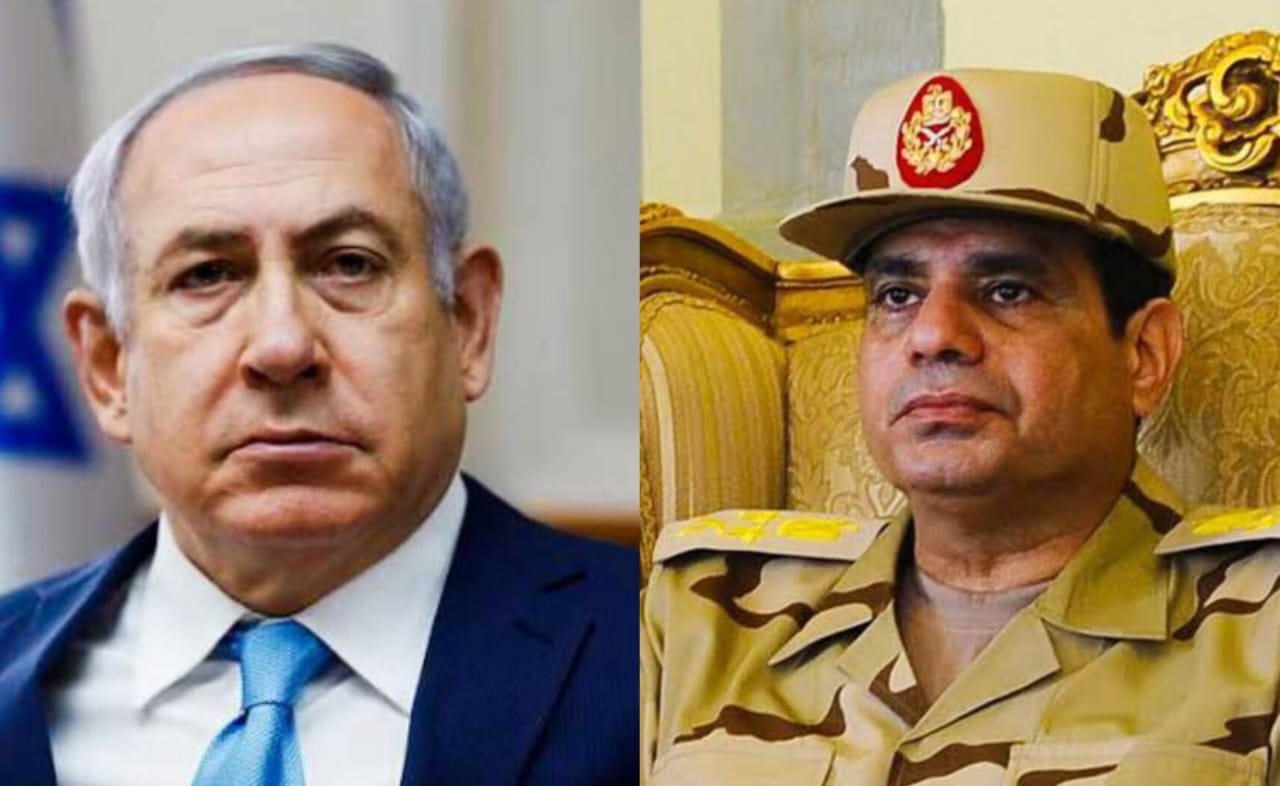
Israel is increasingly attentive to Egypt’s expanding military capabilities, a development that underscores the complex balance between one of the Middle East’s most durable peace agreements and the shifting strategic realities of the region.
Israel and Egypt have maintained formal peace since 1979, a cornerstone of regional stability that transformed former battlefield rivals into strategic partners. Security coordination, intelligence sharing and energy cooperation have deepened over the decades, particularly around counterterrorism efforts in the Sinai Peninsula. Publicly, leaders on both sides continue to stress their commitment to the treaty and mutual stability.
Privately, however, Israeli defense planners are closely monitoring Egypt’s growing and modernizing armed forces.
Egypt today fields one of the largest militaries in the Middle East, with extensive armored units, a modernizing air force, advanced air-defense systems and an increasingly capable navy. Much of this buildup is framed by Cairo as defensive aimed at countering terrorism, securing borders, and asserting Egypt’s role as a regional power.
Israeli officials do not dispute Egypt’s current intentions, but they emphasize that long-term military capabilities, not short-term politics, drive strategic planning.
A particular focus is the Sinai Peninsula, which borders Israel and is governed by strict military limitations under the peace treaty. Over the past decade, Israel has approved expanded Egyptian deployments in Sinai to combat insurgent groups, a move that strengthened bilateral security cooperation. Yet Israeli analysts note that increased troop presence, upgraded infrastructure and heavy equipment closer to the border inevitably compress warning times in a crisis, even between peace partners.
Israel’s concern is not framed as an expectation of conflict, but as a matter of strategic prudence. Israeli doctrine prioritizes early warning and qualitative military superiority, relying on technological and operational advantages rather than numerical strength. A steadily modernizing Egyptian military could, over time, narrow that gap, particularly if regional alignments or domestic politics in Egypt were to change.
Another factor shaping Israeli calculations is Egypt’s increasingly diversified international relationships. Cairo has expanded defense cooperation beyond traditional Western partners, pursuing arms deals and strategic ties with Russia and China.
While Egypt maintains close relations with the United States, its desire for greater strategic autonomy adds an element of uncertainty to long-term regional planning in Tel Aviv.
Despite these undercurrents, cooperation between Israel and Egypt remains robust. The two countries coordinate closely on Gaza-related security issues, maritime stability in the eastern Mediterranean, and energy exports, including natural gas projects that benefit both economies. Military-to-military communication channels remain active, helping to prevent misunderstandings and manage tensions quietly.
For now, the Israeli-Egyptian relationship reflects a broader Middle Eastern reality: peace agreements can coexist with strategic caution. Israel’s monitoring of Egypt’s military growth is less a sign of deteriorating ties than a reflection of how deeply history, geography and power balances shape security thinking in the region.
As regional pressures mount from conflicts in Gaza and tensions with Iran to shifting global alliances the durability of the Israel-Egypt peace treaty remains a stabilizing anchor. But beneath the surface, both sides continue to calculate, adapt and prepare, mindful that strategic partnerships in the Middle East are rarely free of strain.