
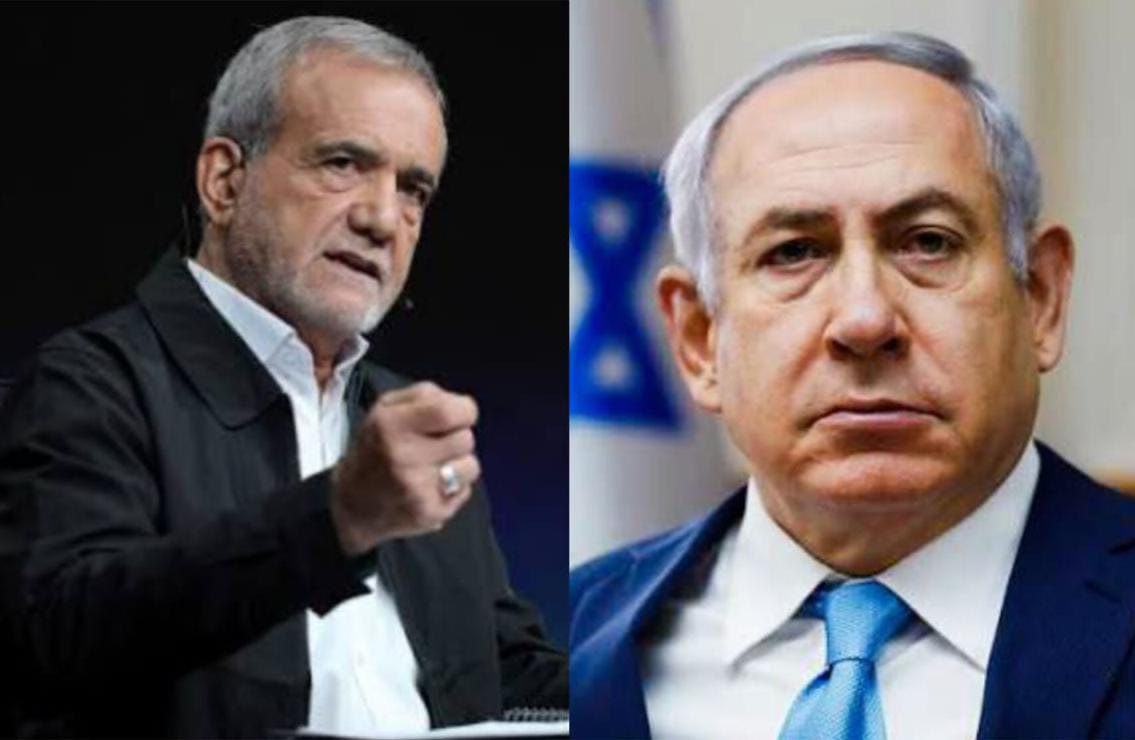
A fragile ceasefire between the United States and Iran has come under severe strain after a massive wave of Israeli airstrikes killed at least 254 people in Lebanon, triggering international outrage and sharp warnings from Tehran.
Lebanese civil defence authorities reported that at least 254 people were killed and more than 1,100 injured in a single day of bombardment, marking one of the deadliest episodes since fighting between Israel and Hezbollah intensified.
The strikes, carried out by Israel across Beirut, the Bekaa Valley and southern regions, targeted what Israeli officials described as Hezbollah command centres and military sites.
READ ALSO: Middle East War: US & Iran Agree to Ceasefire, Reopen Strait of Hormuz
However, the scale of casualties, including civilians, has drawn widespread condemnation and raised concerns over violations of international humanitarian law.
The assault came just hours after Washington and Tehran announced a two-week ceasefire aimed at de-escalating the broader regional conflict.
While the agreement included measures such as reopening key shipping routes and halting direct hostilities, a critical disagreement has emerged over whether Lebanon was part of the deal.
Iran insists that the ceasefire should extend to all fronts, including Lebanon. Foreign Minister Abbas Araghchi said the terms of the agreement were “clear and explicit,” warning that the United States must choose between enforcing a ceasefire or allowing continued war through Israeli actions.
His remarks reflect growing frustration in Tehran, which views the continued Israeli campaign as a breach of the truce and a direct challenge to diplomatic efforts.
Iranian officials have warned that failure to halt the attacks could jeopardize the ceasefire altogether and trigger further escalation.
The United States and Israel, however, maintain that the ceasefire applies only to direct US and Iran hostilities and does not cover Israeli operations against Hezbollah in Lebanon.
This divergence has exposed a fundamental flaw in the agreement and heightened fears that the truce may collapse before negotiations for a longer-term settlement can take hold.
International reaction has been swift. The United Nations strongly condemned the strikes, describing the civilian toll as “appalling” and calling for immediate restraint.
Humanitarian organizations have also warned of a worsening crisis, with hospitals overwhelmed and more than a million people reportedly displaced by the ongoing conflict.
Analysts say the latest developments underscore the complexity of the war, which now spans multiple fronts involving Iran, Israel, Hezbollah and the United States.
The continued violence in Lebanon, despite a ceasefire elsewhere, highlights the difficulty of containing a conflict that has rapidly evolved into a broader regional confrontation.
As tensions rise, the fate of the ceasefire remains uncertain. With Iran demanding a comprehensive halt to hostilities and Israel pressing ahead with its military campaign, the region faces the growing of a renewed and potentially wider war.
For now, the deadly strikes in Lebanon have not only deepened the humanitarian crisis but also cast serious doubt over the viability of the US and Iran truce, leaving the Middle East on edge.