
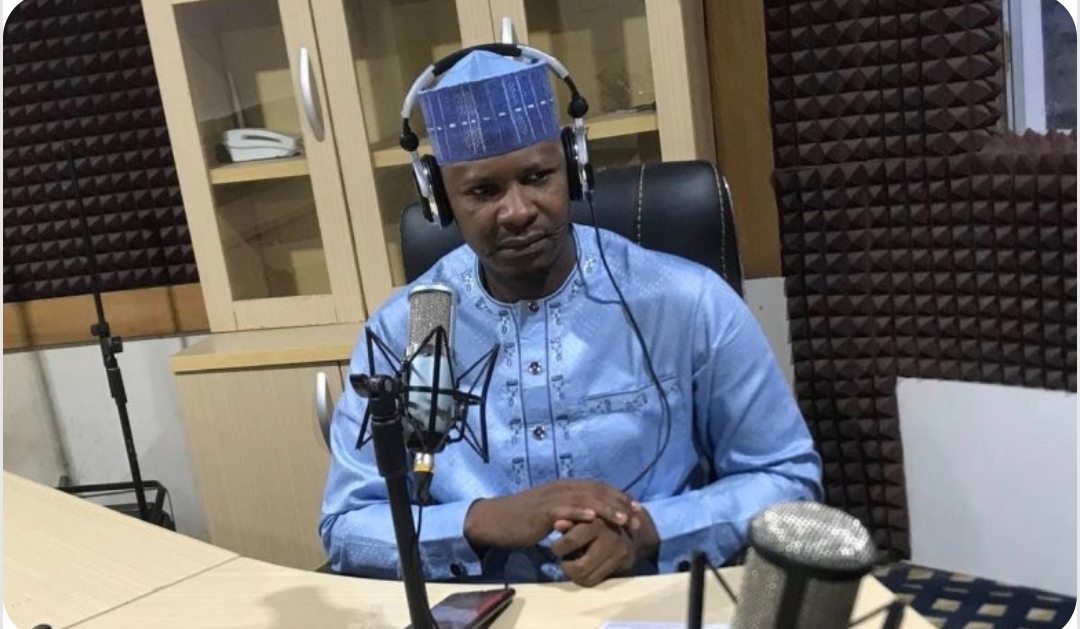
The Nigeria Police, Zone One Headquarters, Kano, have grilled a popular broadcast journalist, Ibrahim Ishaq, also known as Danuwa Rano, over alleged defamation and operation of an online television channel without approval from the National Broadcasting Commission (NBC).
Sources told Kano Times that the interrogation followed a complaint by the Director-General of Protocol at the Kano State Government House, Abdullahi Ibrahim Rogo, who accused the journalist of defaming him through reports aired on Danuwa Rano TV, an online platform.
The journalist was reportedly invited to the Zone One Police Headquarters in Kano on Saturday, where he was questioned over the allegations.
READ ALSO: Kano North Journalist Forum Commends Governor Yusuf for Medical Support to Lawan Isa Bagwai
The development came amid ongoing scrutiny of Mr. Rogo, who is said to be under investigation by the Independent Corrupt Practices and Other Related Offences Commission (ICPC) over alleged financial irregularities involving contracts worth about ₦6.5 billion.
According to an earlier report by Daily Nigerian, the ICPC had recovered more than ₦1.1 billion from Mr. Rogo as part of its investigation into alleged misappropriation of public funds. The Economic and Financial Crimes Commission (EFCC) is also reportedly probing related transactions linked to fictitious contracts and the alleged diversion of funds through corporate and personal accounts.
However, the Kano State Government has denied the allegations, describing them as politically motivated. In a statement signed by the Governor’s spokesman, Sanusi Bature Dawakin Tofa, the government said the reports were “a work of fiction aimed at tarnishing the image of government officials.”
Meanwhile, journalists and civil society groups in Kano have condemned the police grilling of Danuwa Rano, describing it as an attempt to intimidate the media and silence critical voices in the state.
As of the time of filing this report, neither the police nor the NBC had issued any official statement regarding the interrogation or the alleged licensing violations.