
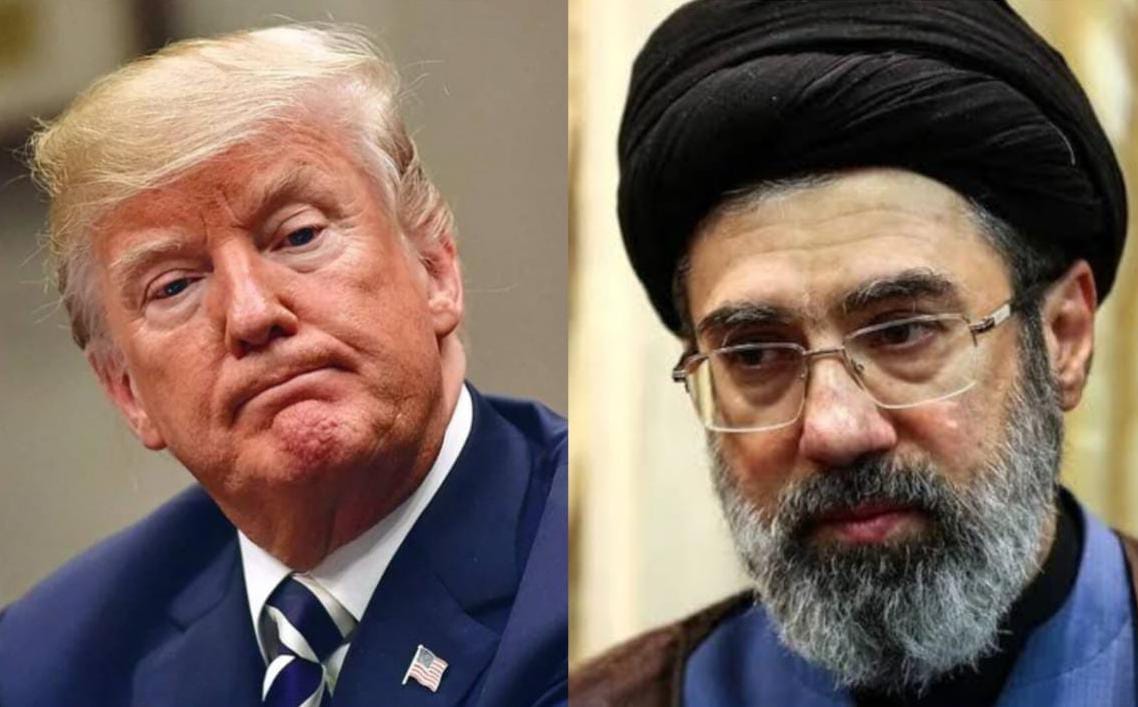
A major breakthrough has emerged in the escalating Middle East conflict as the United States and Iran agreed to a temporary ceasefire, coupled with the reopening of the strategic Strait of Hormuz, raising cautious hopes for de-escalation in a war that has rattled global energy markets.
The agreement, reached just hours before a looming US deadline for large-scale military strikes on Iran, establishes a two-week pause in hostilities and commits Tehran to allowing safe passage for commercial shipping through the vital waterway.
The breakthrough followed intense diplomatic efforts led by regional mediators, particularly Pakistan, and comes after weeks of fierce confrontation that saw missile strikes, naval threats, and disruptions to global oil supply chains.
Under the terms of the deal, Washington agreed to suspend planned attacks on Iranian infrastructure, while Tehran committed to coordinating with its armed forces to ensure secure navigation through the Strait of Hormuz, a corridor through which roughly one-fifth of the world’s oil supply flows.
The reopening of the strait marks a critical turning point in the conflict.
Since the outbreak of hostilities, shipping traffic in the channel had nearly collapsed due to Iranian threats and attacks on vessels, stranding millions of barrels of crude oil and triggering sharp spikes in global energy prices.
US President Donald Trump described the ceasefire as a “major step toward peace,” signaling optimism that the temporary truce could evolve into a broader agreement based on ongoing negotiations, including Iran’s proposed framework for a long-term settlement.
Iranian officials, however, emphasized that the ceasefire is conditional and reversible, making clear that any renewed attacks on Iranian territory or infrastructure could trigger a swift resumption of hostilities.
Despite the agreement, the situation remains fragile. Military operations linked to allied groups and other regional flashpoints particularly involving Israel and non-state actors continue to pose risks to the truce.
Analysts warn that while the ceasefire has eased immediate fears of a wider war, fundamental disagreements remain unresolved, including issues surrounding sanctions, regional influence, and security guarantees.
Nevertheless, the reopening of the Strait of Hormuz has already begun to stabilize global markets, with oil prices falling and shipping activity expected to gradually resume after weeks of disruption.
The coming days are expected to be critical as negotiations continue, with diplomats seeking to transform the temporary ceasefire into a lasting peace framework. For now, the agreement offers a rare pause in a conflict that has pushed the Middle East and the global economy to the brink.