
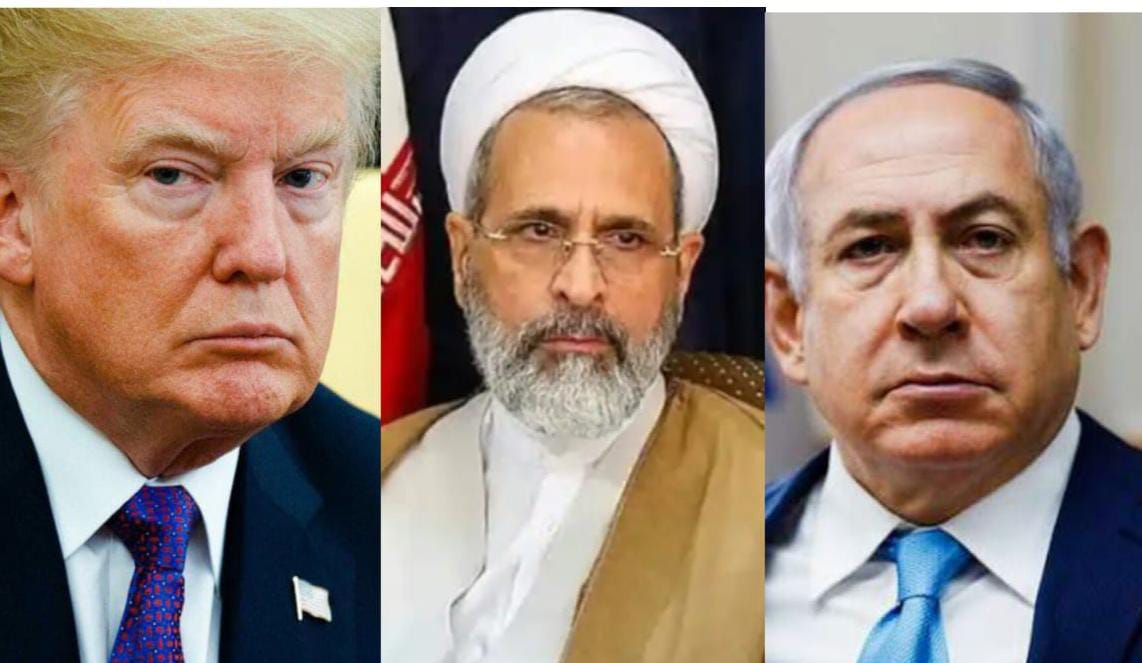
Allegations of potential war crimes are intensifying after attacks attributed to the United States and Israel struck civilian infrastructure in Tehran and other Iranian cities, including schools and critical water installations.
The attacks have drawn condemnation from Iranian authorities and international rights groups, while the Islamic Revolutionary Guard Corps (IRGC) has vowed severe retaliation.
One of the most controversial incidents occurred when a primary school was hit during the opening days of the bombing campaign against Iran.
The strike destroyed the Shajareh Tayyebeh Primary School in the southern city of Minab while classes were underway, killing more than 160 people, most of them children, according to Iranian officials and international reporting.
Images from the scene showed the school building reduced to rubble, with emergency workers searching through debris for survivors. The high civilian death toll has triggered widespread condemnation inside Iran and raised serious questions internationally about whether the attack violated the laws of war.
Human rights organizations say the incident should be investigated as a possible war crime because schools are protected civilian objects under international humanitarian law unless they are being used for military purposes.
Investigators reviewing satellite imagery and available evidence say there is no clear indication that the school was being used for military activity, even though it was located near an IRGC naval compound.
Additional School Attacks Reported
Iranian authorities say the Minab strike was not an isolated incident. Officials claim several other schools have also been hit in the expanding bombing campaign, including facilities in Tehran and nearby districts.
If confirmed, these incidents would mark multiple attacks on educational facilities since the war began, increasing concerns among international observers that civilian infrastructure is increasingly being caught in the conflict.
Destruction of Water Infrastructure Raises Humanitarian Concerns
Beyond schools, attacks on water infrastructure have also heightened fears of a humanitarian crisis.
Reports indicate that water desalination and distribution facilities were damaged during the ongoing airstrikes, threatening access to clean water for civilian populations. Damage to such installations can have severe public health consequences, particularly in densely populated urban areas.
International humanitarian law generally prohibits attacks on infrastructure essential to civilian survival — including water systems — unless they are being used directly for military operations.
Analysts warn that the destruction of water infrastructure could endanger millions of civilians, potentially leading to shortages of drinking water and sanitation services.
Iran Accuses US and Israel of Targeting Civilian Sites
Iranian officials have accused Washington and Tel Aviv of deliberately targeting civilian infrastructure across the country.
According to Iranian relief authorities, thousands of non-military structures — including homes, hospitals, and commercial buildings — have reportedly been damaged since the conflict began.
Iran’s Foreign Ministry has released lists of sites allegedly hit by airstrikes, including residential complexes, medical facilities, and humanitarian centers.
IRGC Promises Retaliation
Following the attacks, the Islamic Revolutionary Guard Corps issued a strong warning that retaliation is inevitable.
Senior commanders said Iran would respond with “powerful and decisive operations” against American and Israeli interests in the region. Analysts believe the response could include missile strikes, drone attacks, or operations targeting military bases and naval assets linked to the United States and its allies.
The IRGC has also warned that any further strikes on civilian infrastructure inside Iran would trigger a broader escalation of the war.
Growing Risk of Regional Escalation
The war between Iran and the U.S.–Israel alliance has already expanded beyond Iran’s borders, with missile and drone strikes reported across several Middle Eastern countries.
Diplomats and international organizations are increasingly warning that continued attacks on civilian infrastructure could deepen the humanitarian crisis and push the conflict into an even more dangerous phase.
As investigations into the school strike continue, pressure is mounting for an independent inquiry to determine whether international humanitarian law was violated and whether those responsible could face accountability for possible war crimes.