
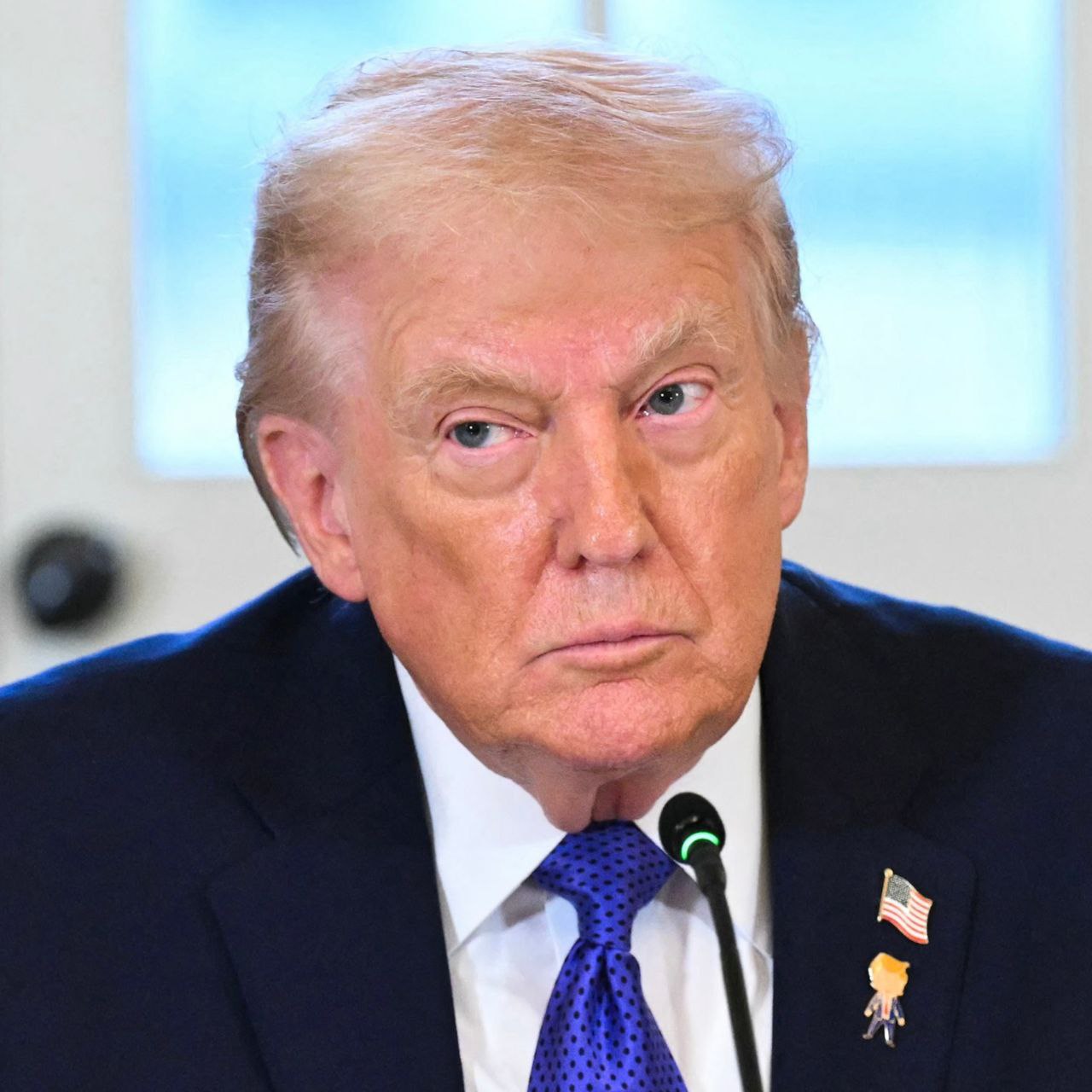
United States President Donald Trump has announced a three-week extension of the ceasefire between Israel and Lebanon, in a move aimed at easing tensions and creating space for further diplomatic negotiations.
The extension follows an earlier temporary truce that was nearing expiration, with Washington stepping in to broker continued restraint between the two sides amid fears of renewed large-scale hostilities along the volatile border region.
According to U.S. officials, the agreement was reached after consultations involving representatives from both Israel and Lebanon, with the United States playing a central mediating role. The new three-week window is expected to provide an opportunity for deeper talks on security arrangements, de-escalation measures, and the possibility of a more durable ceasefire.
READ ALSO: Kano Alliance Hails Gov Abba’s Deputy Pick.
Despite the announcement, the situation on the ground remains fragile. Reports indicate that tensions persist, with sporadic incidents and mutual accusations of violations raising concerns about the durability of the truce. The involvement of non-state actors, particularly Hezbollah, continues to complicate enforcement, as the group is not formally bound by the agreement.
The ceasefire extension comes at a critical moment in the broader Middle East conflict, which has drawn in regional and global powers, including Iran and the United States. Recent escalations, including deadly strikes and cross-border exchanges, have heightened fears of a wider war.
Analysts say the extension reflects growing international pressure to prevent further deterioration of the situation, particularly following high civilian casualties reported in recent days. The United Nations and other global actors have repeatedly called for restraint and renewed diplomatic engagement to avoid a humanitarian crisis.
While the three-week ceasefire offers a temporary pause, observers caution that significant challenges remain. Key issues such as border security, the role of armed groups, and broader regional tensions have yet to be resolved.
For now, the extension provides a narrow window for diplomacy, but whether it can lead to a lasting peace will depend on the willingness of all parties to move beyond temporary arrangements and address the deeper causes of the conflict.