
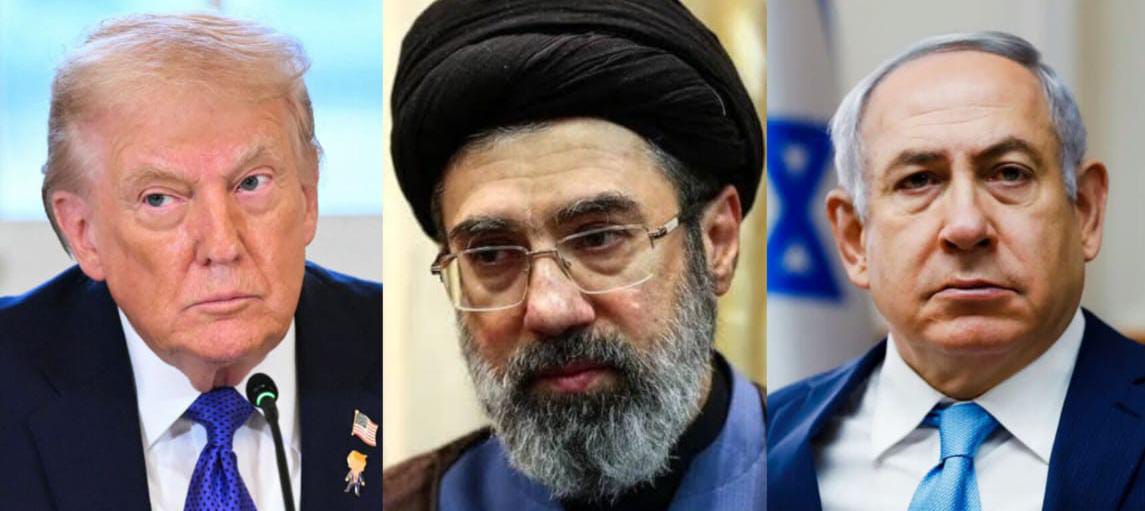
The Foreign Minister of Islamic Republic of Iran Abbas Araghchi has arrived in Islamabad for high-stakes diplomatic talks, as efforts intensify to salvage a fragile ceasefire between Tehran and the United States amid escalating violence in Lebanon.
The visit comes at a critical moment in the widening Middle East conflict, with tensions surging following deadly Israeli airstrikes that reportedly killed more than 250 people in Lebanon, triggering international outrage and raising fears of a broader regional war.
Pakistan is hosting the latest round of diplomacy, positioning itself as a key mediator between Washington and Tehran.
READ ALSO: BREAKING: Trump Announces Three-Week Ceasefire Extension Between Israel and Lebanon
US. envoys, including Steve Witkoff and Jared Kushner, are expected to engage in talks aimed at extending the current truce and laying the groundwork for a more durable agreement.
The ceasefire, which paused direct hostilities between Iran and the United States, is already under severe strain due to disagreements over its scope.
While Washington maintains that the truce applies only to direct U.S.–Iran confrontation, Tehran insists it must extend to all fronts, including Lebanon, where Israel continues military operations against Hezbollah.
Speaking ahead of the talks, Araghchi warned that the terms of the ceasefire were “clear,” stressing that the United States must choose between upholding a truce or allowing continued conflict through Israeli actions.
His remarks underscore Iran’s position that ongoing strikes in Lebanon amount to a violation of the spirit, if not the letter, of the agreement.
The crisis in Lebanon has become a central fault line in the broader conflict. The scale of reported casualties has overwhelmed local health systems and prompted strong condemnation from the international community, including the United Nations, which described the situation as deeply alarming.
Diplomatic sources say the Islamabad talks will focus on several key issues, including extending the ceasefire, preventing further escalation in Lebanon, and addressing broader regional security concerns.
However, uncertainty remains over whether direct negotiations between Iranian and U.S. officials will take place or whether discussions will proceed through intermediaries.
Analysts warn that failure to bridge the gap over Lebanon could derail the fragile truce and trigger renewed confrontation between Iran and the United States, with potentially far-reaching consequences for the region and global stability.
As delegations gather in Islamabad, the stakes could hardly be higher. With the ceasefire teetering and violence continuing on multiple fronts, the outcome of these talks may determine whether the Middle East steps back from the brink or slides deeper into conflict.