
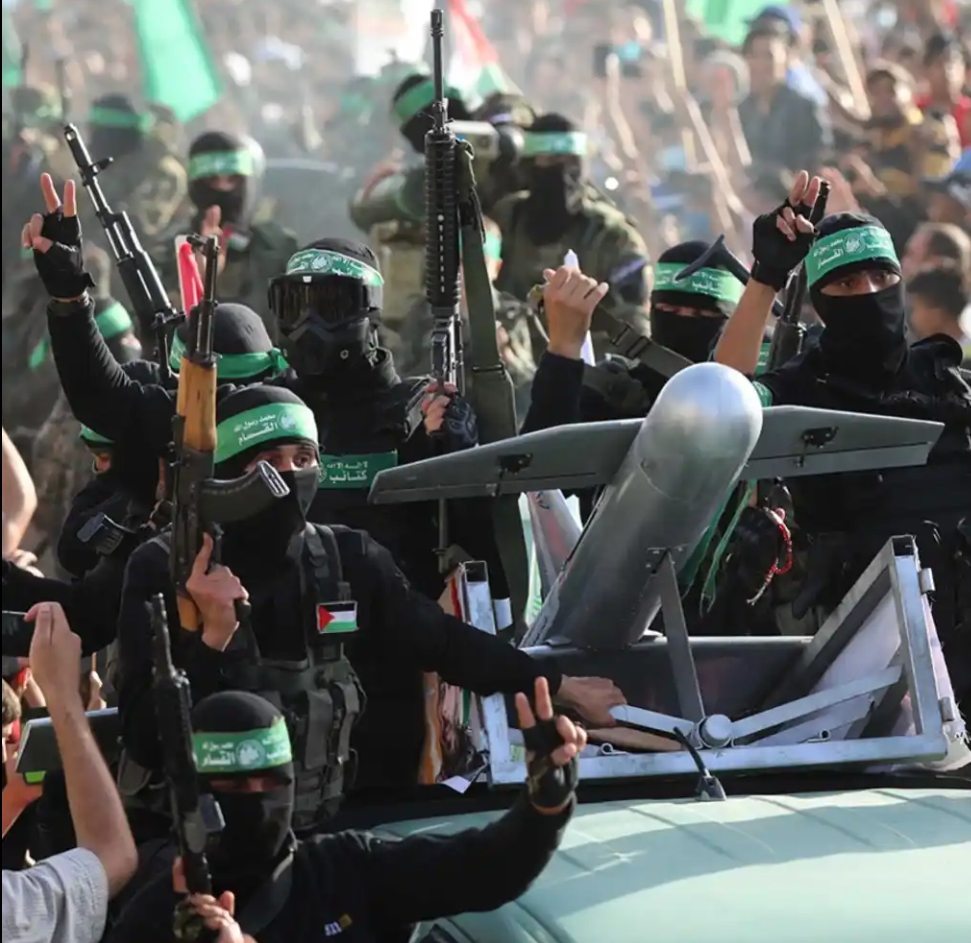
Efforts to secure a lasting end to the devastating war in Gaza are entering a critical phase as Hamas prepares to send a high-level delegation to Cairo for renewed negotiations aimed at salvaging the fragile ceasefire brokered in October 2025.
The talks come amid mounting diplomatic pressure, continuing humanitarian suffering, and growing uncertainty over the future of Gaza, where more than two years of conflict have left tens of thousands dead, vast areas destroyed, and millions dependent on humanitarian assistance.
At the center of the latest diplomatic push is a proposal advanced by Hamas political bureau member Husam Badran, who, in an interview with Al Jazeera, outlined the movement’s support for a long-term peace.
The proposal is being viewed by regional mediators as a potential pathway out of the current deadlock that has stalled implementation of the United States-brokered ceasefire agreement reached in October 2025.
Cairo Talks Resume Amid Tensions
According to informed sources, Hamas is expected to participate in a new round of negotiations in Cairo this weekend after briefly delaying its involvement over concerns regarding ongoing Israeli military operations and targeted killings.
The movement reportedly sought assurances that what it described as Israeli assassination campaigns would cease before negotiations resumed, arguing that continued military actions undermine trust and weaken prospects for meaningful dialogue.
The renewed talks are expected to involve Egyptian and Qatari mediators alongside international stakeholders seeking to preserve the ceasefire framework and prevent a return to full-scale warfare.
Diplomats familiar with the negotiations say both sides remain far apart on key issues despite months of mediation efforts.
Peace Proposal Emerges as Alternative Framework
Hamas’s proposal for a long-term Peace represents one of the most significant political ideas to emerge since the ceasefire took effect.
Under the concept, hostilities would end for an extended period while broader political disputes remain unresolved. Supporters argue that such an arrangement could provide security, allow reconstruction efforts to proceed, facilitate prisoner exchanges, and create conditions for long-term stability.
Hamas officials maintain that the movement is prepared to explore practical political solutions that would bring an end to the war and ease the suffering of Gaza’s population.
However, the group has also reiterated that it does not support complete disarmament, a position that remains unacceptable to Israel.
Disarmament Remains the Biggest Obstacle
The future of Hamas’s military wing continues to be one of the most contentious issues in the negotiations.
Israel has consistently demanded the dismantling of Hamas’s military capabilities as a condition for any permanent settlement, arguing that lasting security cannot be achieved while the group retains armed forces.
Hamas, however, insists that its weapons are linked to what it describes as resistance against occupation and has repeatedly rejected calls for full disarmament.
Recent statements from Hamas officials suggest some willingness to discuss the future structure of Gaza’s police and internal security institutions, but the movement has drawn a distinction between civilian policing and its military apparatus.
This disagreement has become one of the principal barriers preventing the ceasefire from evolving into a comprehensive peace arrangement.
Withdrawal of Israeli Forces Another Major Sticking Point
Equally significant is the question of Israeli troop deployment inside Gaza.
Hamas continues to insist on a complete Israeli military withdrawal from the territory as part of any final agreement.
Israeli officials, meanwhile, argue that security guarantees are necessary to prevent future attacks and to ensure that armed groups cannot rebuild military infrastructure.
The competing demands have left negotiators struggling to find a compromise capable of satisfying both sides.
Humanitarian Crisis Drives Urgency
The renewed diplomatic activity comes against the backdrop of a continuing humanitarian crisis that international aid organizations describe as catastrophic.
Large portions of Gaza remain devastated by months of conflict. Essential infrastructure has been severely damaged, healthcare facilities continue to operate under extreme strain, and reconstruction efforts have been hampered by political and security disputes.
Humanitarian agencies warn that millions of Palestinians remain dependent on emergency assistance, while many displaced families continue to face uncertain living conditions.
Mediators hope that progress in Cairo could pave the way for expanded humanitarian access, accelerated reconstruction efforts, and greater stability for Gaza’s civilian population.
As negotiators gather in Cairo, the future of the October 2025 ceasefire remains uncertain.
Supporters of the talks believe the proposed long-term hudna could offer a realistic framework for preventing a return to war while creating space for future political negotiations.
Skeptics, however, caution that the profound disagreements over disarmament, Israeli troop withdrawal, governance, and security arrangements remain unresolved.
With regional stability, humanitarian recovery, and the lives of millions hanging in the balance, the upcoming negotiations may prove decisive in determining whether Gaza moves toward a durable truce or slides back into renewed conflict.