
BY: SANI MAGAJI GARKO, KANO
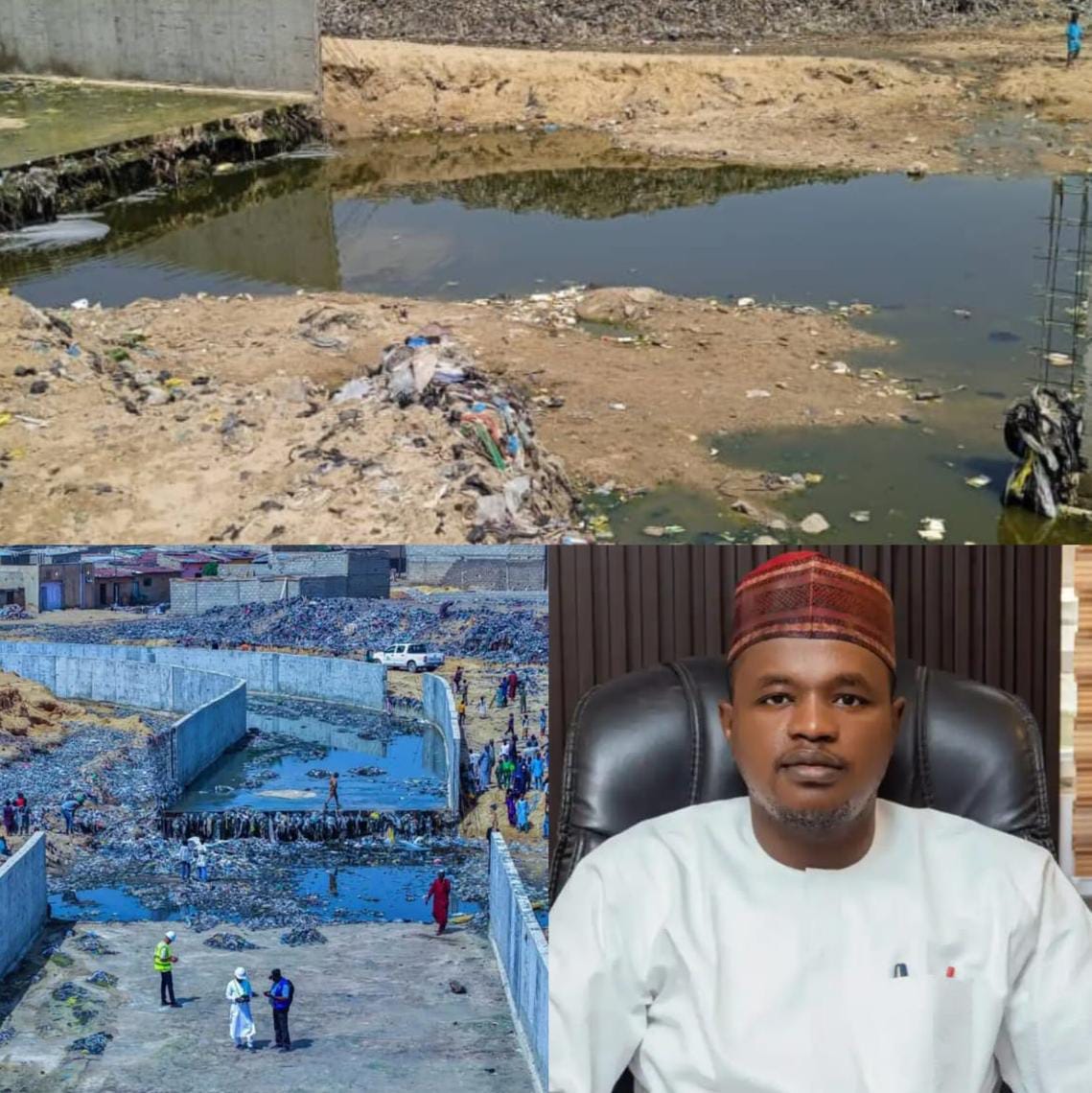
Residents of Bulbula–Gayawa communities in Kano State have expressed frustration over the slow pace of an ongoing ecological intervention project aimed at tackling decades of erosion, flooding and watershed challenges, alleging that the delay has exposed the area to avoidable tragedies, insecurity and environmental degradation.
The residents, drawn from Bulbula–Gayawa in Ungogo and Nassarawa local government areas, told GLOBAL TRACKER that although the project was conceived to provide a lasting solution to severe erosion and flooding, the slow execution has continued to put lives and property at risk.
According to them, the ecological intervention has remained far from completion despite the urgency of the environmental challenges facing the communities.
Residents Recount Deaths, Hardship
One of the residents, Ibrahim Sani, said the prolonged delay in executing the project had come at a painful personal cost.
According to him, he lost his son in an incident he linked to the unfinished project and the continued excavation of sand from the construction site by people using donkeys to transport the material.
Another resident told GLOBAL TRACKER that a little boy identified as Muhammad Yusuf also reportedly died after falling into an excavation within the project area.
Residents said the abandoned portions of the construction site have become attractive playgrounds for children, exposing them to serious danger.
They alleged that at least two children had lost their lives, while several others had sustained injuries or suffered other health-related consequences as a result of the unfinished excavations.
Illegal Sand Excavation Compounds Problem
Beyond the delay, residents accused some individuals from outside the communities of illegally excavating sand from the construction site using donkeys.
According to them, the activity has continued despite repeated efforts by community members to stop it.
They claimed that whenever residents confronted the operators during the day, they simply shifted their activities to night, making it more difficult for the community to monitor the site.
A community source further alleged that the Kano State Government had previously empowered donkey riders with financial support to enable them relocate their sand business to approved locations outside the project area.
However, the source claimed that some operators ignored the intervention and continued excavating sand from the ecological project site.
Residents argued that the continued excavation was undermining the integrity of the project and worsening environmental degradation.
Fear of Insecurity
Community members also expressed concern over security, alleging that the abandoned excavations and sand pits have become hideouts for suspected criminals.
They claimed that suspected drug dealers and other criminal elements now take advantage of the site to carry out illegal activities, creating fear among residents and worsening hardship in the area.
According to them, many families now avoid certain sections of the community, particularly at night, because of the alleged criminal activities.
ACReSAL Explains Delay
Responding to the concerns, the Kano State Project Coordinator of the Agro-Climatic Resilience in Semi-Arid Landscapes (ACReSAL), Aminu Gidado Yusha’u, acknowledged that work on the project had slowed but insisted that the delay was necessary to protect the quality of the construction.
He told GLOBAL TRACKER that carrying out critical construction activities involving sand, cement and stone mixtures during heavy rains could damage the structures and compromise the long-term durability of the project.
According to him, engineering standards require certain components of the work to be executed under suitable weather conditions.
Gidado also identified indiscriminate dumping of refuse into waterways by some residents as another major challenge affecting the project.
He explained that whenever it rains, floodwaters wash refuse, mud and other unwanted materials into the construction site, forcing contractors to spend additional time clearing the accumulated waste before work can continue.
He therefore appealed to residents to stop dumping refuse into drainage channels and to support efforts aimed at completing the project.
Environmental Challenges Have Worsened
The project coordinator disclosed that environmental conditions in the area have deteriorated significantly since the intervention was first designed.
According to him, the three-kilometre watershed project was initially planned with only two small drainage channels feeding into the main channel.
However, persistent erosion over the years has increased the number of feeder drainage channels from two to fourteen.
He said the dramatic increase in stormwater entering the main channel has made the engineering work more complex than originally anticipated.
Gada Mai-Doyi Bridge To Be Reconstructed
Gidado further revealed that engineering assessments and integrity test conducted on the bridge popularly known as “Gada Mai-Doyi” showed that the structure had deteriorated and could collapse within a few years if left unattended.
He explained that a significant volume of stormwater from the watershed passes beneath the bridge and that integrity tests indicated the need for urgent intervention.
According to him, after reviewing the assessment, Kano State Governor Abba Kabir Yusuf directed that the bridge be reconstructed as part of the broader ecological intervention to prevent future structural failure and protect the long-term success of the project.
Appeal For Patience
The ACReSAL coordinator appealed to residents to remain patient, assuring them that the contractor, the Kano State Ministry of Environment, ACReSAL and development partners are working to ensure the successful completion of the project.
He acknowledged that the increase in feeder drainage channels and the additional reconstruction of Gada Mai-Doyi bridge could require an extension of the project’s completion period.
According to him, the implementing agencies are determined to deliver infrastructure that meets international engineering standards rather than rushing the work at the expense of quality.
He urged residents to cooperate with the authorities by avoiding illegal sand excavation, refraining from dumping refuse into waterways and supporting the ecological intervention, expressing confidence that the completed project would provide a lasting solution to flooding and erosion challenges affecting the Bulbula–Gayawa communities.