
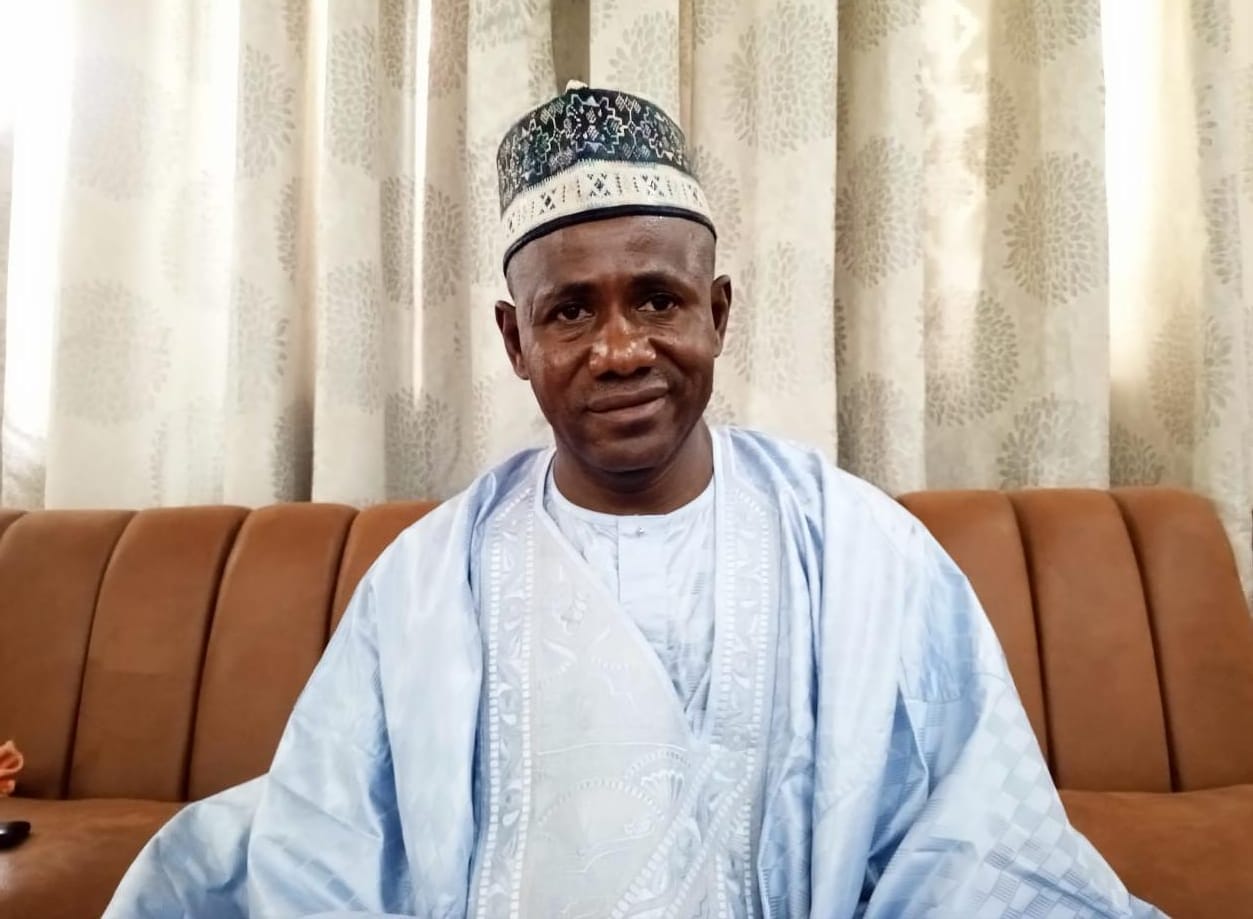
A prominent Kano Islamic scholar, Sheikh Alaramma Hadi Inuwa Maihula Sanka, has criticised the Kano State Government’s widow marriage programme, describing the practice as “Haram”, urging the government to discontinue it.
Sheikh Maihula made the position known during an interview with journalists in Kano on Tuesday evening, arguing that marriage, like other major religious obligations, is subject to a person’s ability and means.
According to him, Islam does not compel a person who lacks the financial capacity to undertake marriage, just as obligations such as Zakat and Hajj are not imposed on those without the means to fulfil them.
READ ALSO: Tinubu, Barau, Shonikan Inaugurates Kano North LG Excos, Empowered Social Media Representatives
“Marriage, Zakat and Hajj are never made obligatory on anyone unless they have the means,” he said, citing teachings contained in the Qur’an, particularly Suratul Nur, as well as Hadith narrated by Imams Bukhari and Muslim.
The cleric therefore questioned the use of public funds by state governments to organise or finance special marriage programmes, describing the collection or expenditure of public resources for such purposes as religiously unacceptable.
He argued that government resources should instead be channelled into addressing pressing social challenges affecting citizens, including inadequate healthcare, water supply and support for vulnerable workers.
“Kano city does not have enough hospitals, there are not enough qualified doctors, there is no Portable drinking water, and pensioners have not all been settled,” he said.
Sheikh Maihula also questioned the concentration of specialist healthcare services in Kano metropolis, saying residents from distant local government areas are forced to travel to the city to access medical treatment.
He specifically mentioned Gwarzo, Takai and Tsanyawa, asking why similar hospitals could not be established in such communities to bring healthcare closer to residents.
“Since Gwarzo, Takai or Tsanyawa, the community has been coming to Murtala Muhammad Specialist Hospital, and this hospital was built in 1928. Why can’t a similar hospital be built in Takai, Tsanyawa or Gwarzo?” he asked.
The Islamic scholar also warned that government-sponsored marriages could create additional financial responsibilities for the state if couples subsequently have children and require assistance with their upkeep.
He argued that rather than spending public funds on marriage ceremonies, governments should empower widows and other vulnerable women through vocational training, entrepreneurship support and other forms of sustainable livelihood assistance.
Maihula urged the Kano State Government, as well as other states considering similar programmes, to reconsider the initiative and redirect resources towards programmes that would enable beneficiaries to become economically self-reliant.
He maintained that empowering women to earn sustainable livelihoods would provide longer-term benefits than one-off marriage interventions.