
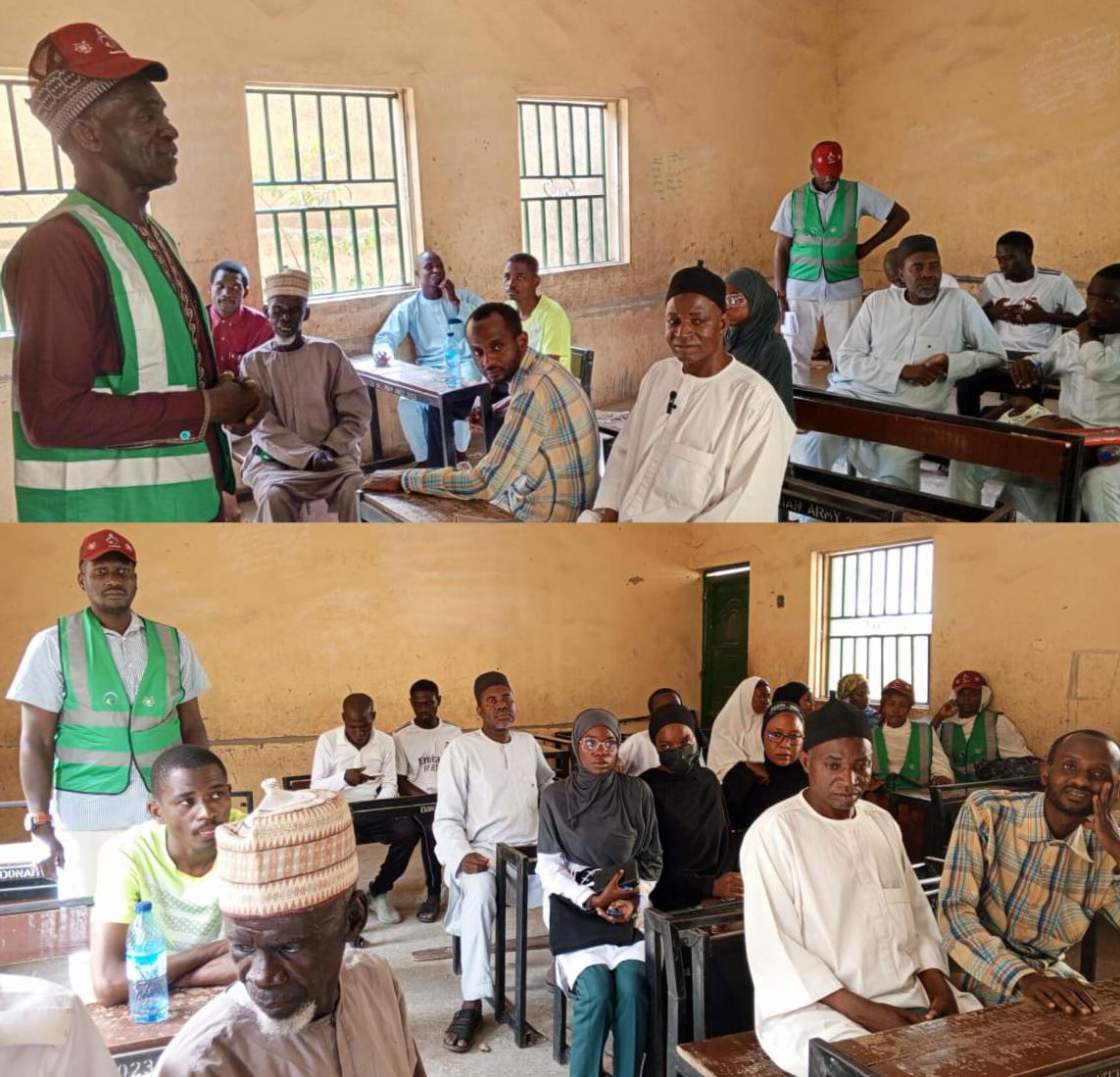
In a powerful demonstration of grassroots health advocacy, the Society for Women and Child Health Initiative (SWOCHI) has convened a high-impact stakeholders’ roundtable in Fagge Local Government Area of Kano State, bringing together participants from diverse ethnic, religious, and political backgrounds to champion vaccination as a lifelong necessity.
The event, held as part of the African Vaccination Week 2026, underscored this year’s theme, “For Every Generation, Vaccines Work,” with a clear message: immunization is not limited to childhood but remains essential for people at every stage of life.
Participants including health workers, community leaders, caregivers, and representatives of vulnerable groups engaged in robust discussions on how to strengthen vaccine uptake, particularly at the grassroots level.
The roundtable emphasized that overcoming vaccine hesitancy requires deliberate efforts to reach people across social divides and build trust within communities.
In a notable shift from conventional advocacy approaches, the SWOCHI-led engagement deliberately targeted people from different ethnic groups, religions, and political affiliations, reinforcing the idea that public health transcends identity and must be pursued as a shared responsibility.
Speaking during the session, the Executive Director of SWOCHI, Sharif Abubakar, stressed the importance of inclusive community engagement in achieving sustainable health outcomes.
“Vaccination is for everyone. It does not recognize tribe, religion, or political differences. Our goal is to ensure that every individual understands that vaccines work for them and are essential for protecting their health and the health of their communities,” he said.
Stakeholders at the forum highlighted persistent challenges affecting immunization efforts, including misinformation, limited access to healthcare services, and gaps in public awareness.
They called for intensified community-based campaigns, stronger partnerships between government and civil society, and tailored communication strategies that resonate with diverse populations.
The discussions also reinforced the role of vaccination in preventing communicable diseases, noting that increased awareness and acceptance can significantly reduce illness, disability, and mortality rates across communities.
Reports say the inclusive nature of the roundtable represents a strategic approach to public health advocacy, one that prioritizes unity, equity, and broad participation in addressing health challenges.
SWOCHI reaffirmed its commitment to advancing public health through community mobilization, education, and advocacy, stressing that meaningful progress can only be achieved when all segments of society are actively engaged.
As African Vaccination Week continues, stakeholders at the Fagge roundtable issued a collective call for sustained action, urging communities to embrace vaccination not just as a medical intervention, but as a shared pathway to a healthier and more resilient society.