
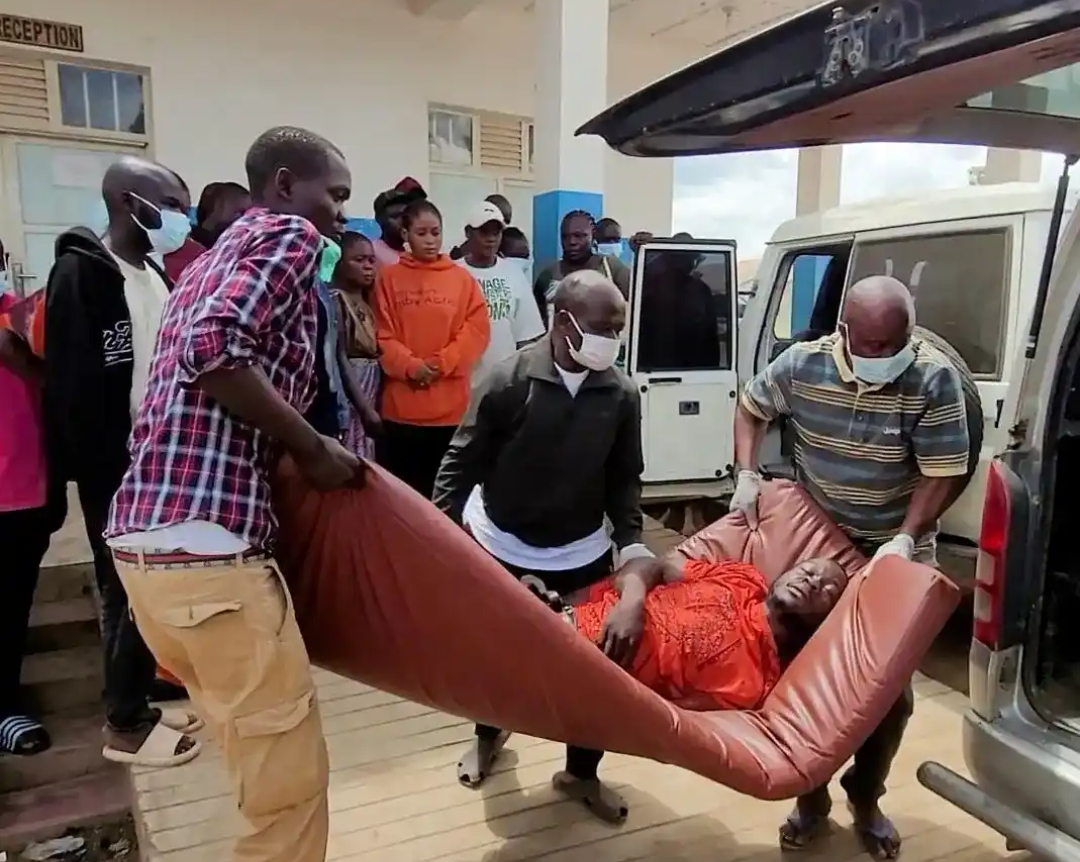
The deadly Ebola outbreak spreading across Central and East Africa has claimed at least 132 lives, with the Democratic Republic of the Congo (DRC) accounting for the overwhelming majority of casualties as health authorities battle to contain the fast-moving epidemic.
According to the latest health figures, at least 131 people have died in the Democratic Republic of the Congo, while Uganda has confirmed one Ebola-related death linked to imported infections from eastern Congo.
Reuters News Agency report that more than 500 suspected infections and dozens of confirmed cases have also been reported, mainly in the eastern Congolese provinces of Ituri and North Kivu.
The outbreak has sparked growing fears of wider regional transmission, particularly after Uganda confirmed imported Ebola cases involving travellers arriving from eastern Congo.
Authorities in Kampala reported at least two confirmed infections alongside the fatality, prompting emergency containment measures aimed at preventing community spread.
Although Rwanda has not officially recorded confirmed Ebola infections or deaths, the country remains on high alert because of its proximity to eastern Congo and heavy cross-border movement within the Great Lakes region.
Health officials say the epidemic is especially concerning because it involves the rare Bundibugyo strain of Ebola, for which there are currently no approved vaccines or targeted treatments.
Medical experts warn that the absence of licensed vaccines could complicate efforts to quickly contain the outbreak and reduce fatalities.
In eastern Congo, the virus has spread through areas already weakened by armed conflict, displacement, and fragile healthcare systems, making containment operations significantly more difficult. Humanitarian agencies say insecurity and limited access to affected communities are slowing emergency response efforts.
The World Health Organization has declared the outbreak a Public Health Emergency of International Concern, warning that the rising death toll and regional spread pose a serious threat to public health across Central and East Africa.
Governments in affected countries have intensified emergency measures, including isolation of suspected patients, aggressive contact tracing, border screening, laboratory testing, and deployment of rapid-response medical teams.
In the Democratic Republic of the Congo, authorities have activated emergency health operations in the worst-hit provinces while working closely with the World Health Organization, Africa Centres for Disease Control and Prevention, and other international medical partners.
Uganda has also strengthened surveillance at airports, border crossings, and hospitals while expanding isolation and treatment centres to manage suspected cases. Officials say previous experience handling Ebola outbreaks has enabled the country to respond rapidly to imported infections.
Meanwhile, Rwanda has reinforced health screening procedures at border posts and increased preparedness in hospitals and treatment facilities despite having no confirmed infections so far.
International health organizations have mobilized emergency support, dispatching medical experts, protective equipment, and laboratory supplies to affected regions. However, health officials warn that the outbreak could persist for months because of insecurity, delayed detection, and the lack of approved vaccines for the Bundibugyo strain.
As fatalities continue to rise, authorities across the region are racing to prevent the epidemic from escalating into another major continental health disaster.