
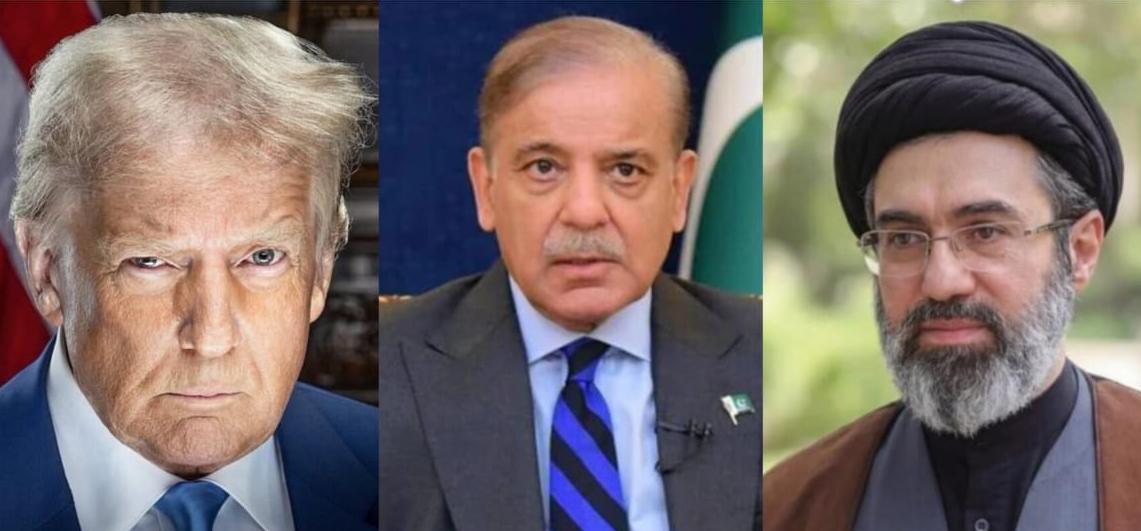
The fragile ceasefire between the United States and Iran is facing mounting pressure as the financial cost of the conflict surges to nearly $29 billion and diplomatic tensions deepen over stalled peace efforts brokered by Pakistan.
Senior Pentagon official Jules Hurst, who is currently performing comptroller duties at the U.S. Department of Defense, told lawmakers that the war involving the United States, Israel and Iran has so far cost approximately $29 billion.
The updated figure includes operational military spending, repair and replacement of damaged equipment, missile and munitions expenditures, and the deployment of additional American forces across the Middle East.
READ ALSO: 2027 Senate Race: 6 Kano Central Aspirants Step Down for Malam Shekarau
The estimate represents an increase of about $4 billion from figures released only weeks earlier, highlighting the rapidly growing financial burden of the conflict.
The war, which has involved extensive air, naval and missile defence operations across the Gulf region, has intensified political debate in Washington as concerns grow over the long-term economic impact on the United States.
Analysts warn that continued military operations, rising oil prices and instability in global shipping lanes could further strain the world economy. At the same time, diplomatic efforts aimed at preserving the ceasefire appear increasingly fragile.
US President Donald Trump reportedly described the truce as being on “massive life support,” while sharply criticizing Iran’s latest peace proposal, dismissing it as “a piece of garbage” that he said he did not even finish reading.
The comments reflected growing frustration within the Trump administration over the pace and direction of negotiations with Tehran, despite mediation efforts led by Pakistan.
Islamabad has emerged as a key diplomatic intermediary hosting indirect contacts and ceasefire discussions between American and Iranian officials in recent weeks.
However, Pakistan now faces increasing scrutiny from some officials in Washington. Reports from U.S. media suggested that members of the Trump administration believe Islamabad may have been presenting a more optimistic interpretation of Iran’s negotiating position than what American officials consider realistic. Questions have also reportedly been raised over whether Pakistan has forcefully communicated Trump’s dissatisfaction with Tehran’s proposals.
Pakistan strongly rejected separate allegations that it had sheltered Iranian military aircraft from possible US strikes during the conflict.
Pakistani officials described the accusations as false and baseless, insisting that the country remains committed to neutrality and regional stability.
The diplomatic tensions come amid renewed military incidents around the Strait of Hormuz, one of the world’s most strategically important oil transit routes.
Iran has accused the United States of violating the ceasefire through attacks on ships and coastal areas near the Gulf waterway, allegations Washington denies.
Iranian officials claimed US military operations targeted vessels and conducted strikes near Bandar Khamir, Sirik and Qeshm Island, actions Tehran described as a direct breach of the truce agreement.
The US military acknowledged carrying out retaliatory strikes but insisted the operations were defensive responses to threats posed by Iranian missiles, drones and small attack boats targeting American naval forces and commercial shipping.
Meanwhile, tensions inside the region continue to escalate. Iranian media recently reported explosions and drone interceptions near Bandar Abbas and Qeshm Island, areas hosting major naval and military infrastructure.
Iranian air defence systems reportedly shot down several drones in the sensitive Gulf region, further heightening fears of broader confrontation.
The conflict has also intensified humanitarian concerns across the Middle East. In Lebanon, Lebanese authorities accused Israel of directly targeting paramedics in the southern city of Nabatieh, killing two medical workers and injuring another during a rescue operation. The incident drew renewed international concern over the safety of civilians and humanitarian personnel in conflict zones.
Global energy markets remain highly unstable as military tensions threaten shipping through the Strait of Hormuz, a corridor through which a substantial portion of the world’s oil supply passes daily.
The crisis has already triggered sharp fluctuations in oil prices and intensified fears of a prolonged global energy shock.
Analysts warn that the combination of rising military costs, deteriorating diplomacy and increasing regional instability has placed the ceasefire under unprecedented strain. Despite ongoing mediation efforts, mistrust between Washington and Tehran appears to be deepening, leaving the future of the truce uncertain.