
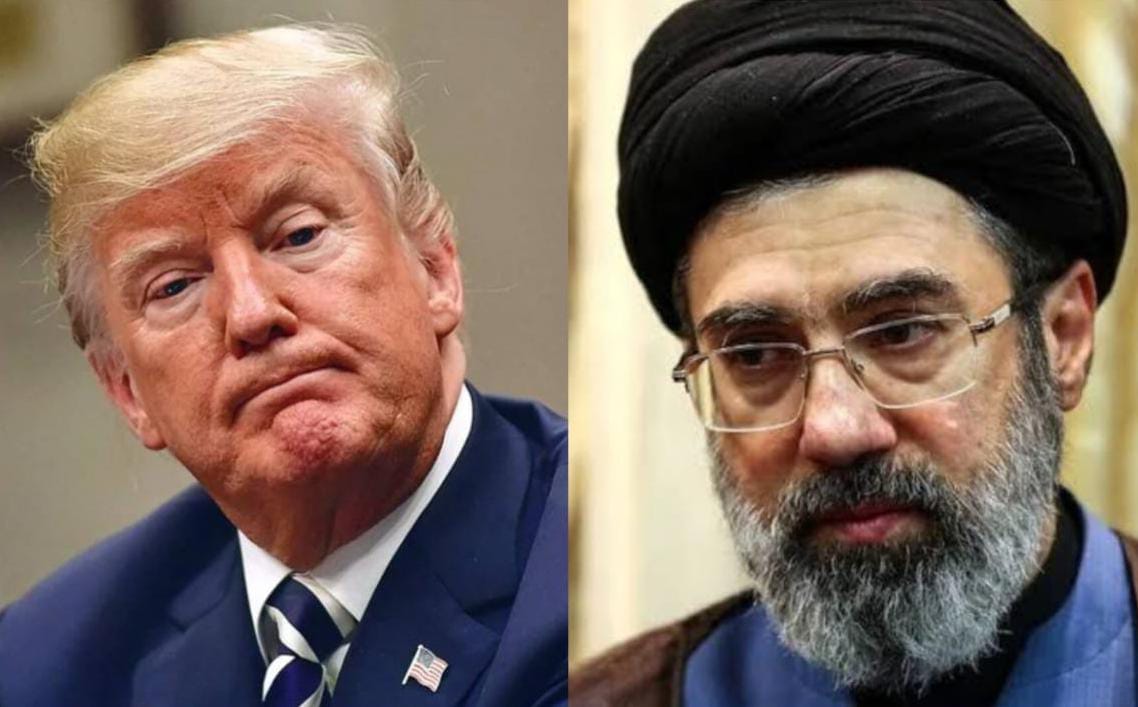
The United States President Donald Trump has announced that Washington will no longer pursue a naval blockade against Iran in the Strait of Hormuz following what he described as “major concessions” made by Tehran during ongoing ceasefire and peace negotiations.
Trump’s remarks marked one of the strongest indications yet that tensions between the United States and Iran may be easing after months of military confrontation, missile exchanges and fears of a wider regional war that shook global energy markets.
Speaking after renewed diplomatic contacts between Washington and Tehran, Trump said the United States had achieved significant progress in negotiations and therefore saw no need to continue with plans for aggressive naval restrictions in the Gulf.
“There will be no further naval blockade against Iran after the concessions they have made,” Trump reportedly said, signaling a major shift in U.S. strategy toward the crisis.
Although the White House did not immediately provide full details of the concessions, reports indicate they include commitments linked to maritime security in the Gulf, reduced military activity around key shipping lanes and continued cooperation under the emerging ceasefire framework.
The announcement comes shortly after Pakistan declared that the United States and Iran had agreed to a ceasefire and broader peace framework following intensive negotiations aimed at ending months of escalating conflict.
Iran has also indicated support for the ceasefire arrangement, although Tehran insists that the agreement remains conditional on continued compliance by all parties, including developments related to Israel’s military operations in Lebanon.
The Strait of Hormuz has remained at the center of global concern throughout the conflict because of its enormous strategic importance to international energy supplies.
The narrow waterway serves as one of the world’s most critical oil transit routes, carrying a significant share of global crude oil, natural gas and petrochemical exports from Gulf producers including Saudi Arabia, Qatar, Kuwait, the United Arab Emirates and Iran itself.
During the height of the crisis, fears of a possible U.S. naval blockade or Iranian attempts to disrupt shipping traffic caused sharp volatility in international oil markets and raised concerns about a global energy shock.
Shipping insurers increased premiums, energy traders warned of possible shortages and several countries activated emergency contingency plans amid fears that the conflict could severely disrupt maritime commerce.
Trump’s latest comments are therefore being viewed as a major signal to international markets that immediate fears of a maritime confrontation in the Gulf may be easing.
Energy analysts say avoiding a naval blockade could help stabilize oil prices, reduce shipping risks and calm investor concerns over the security of energy exports from the region.
The diplomatic breakthrough also comes as Iran rapidly rebuilds its damaged petrochemical infrastructure following months of war-related strikes on major industrial facilities.
Iranian officials recently announced that up to 80 percent of damaged refining and petrochemical capacity could return online within two months after emergency reconstruction efforts.
The restoration of Iranian energy production, combined with reduced risks of maritime disruption in the Strait of Hormuz, could significantly improve stability in global oil and petrochemical markets after one of the region’s most dangerous crises in years.
Despite the diplomatic progress, major challenges remain unresolved.
Israeli military operations in Lebanon continue to generate tensions across the region, while disputes over long-term security arrangements, sanctions and Iran’s nuclear activities remain subjects of ongoing negotiations.
Nevertheless, Trump’s announcement that the United States will abandon plans for a naval blockade against Iran is being viewed internationally as one of the clearest signs yet that both sides may be moving away from direct military confrontation toward a broader political settlement.