
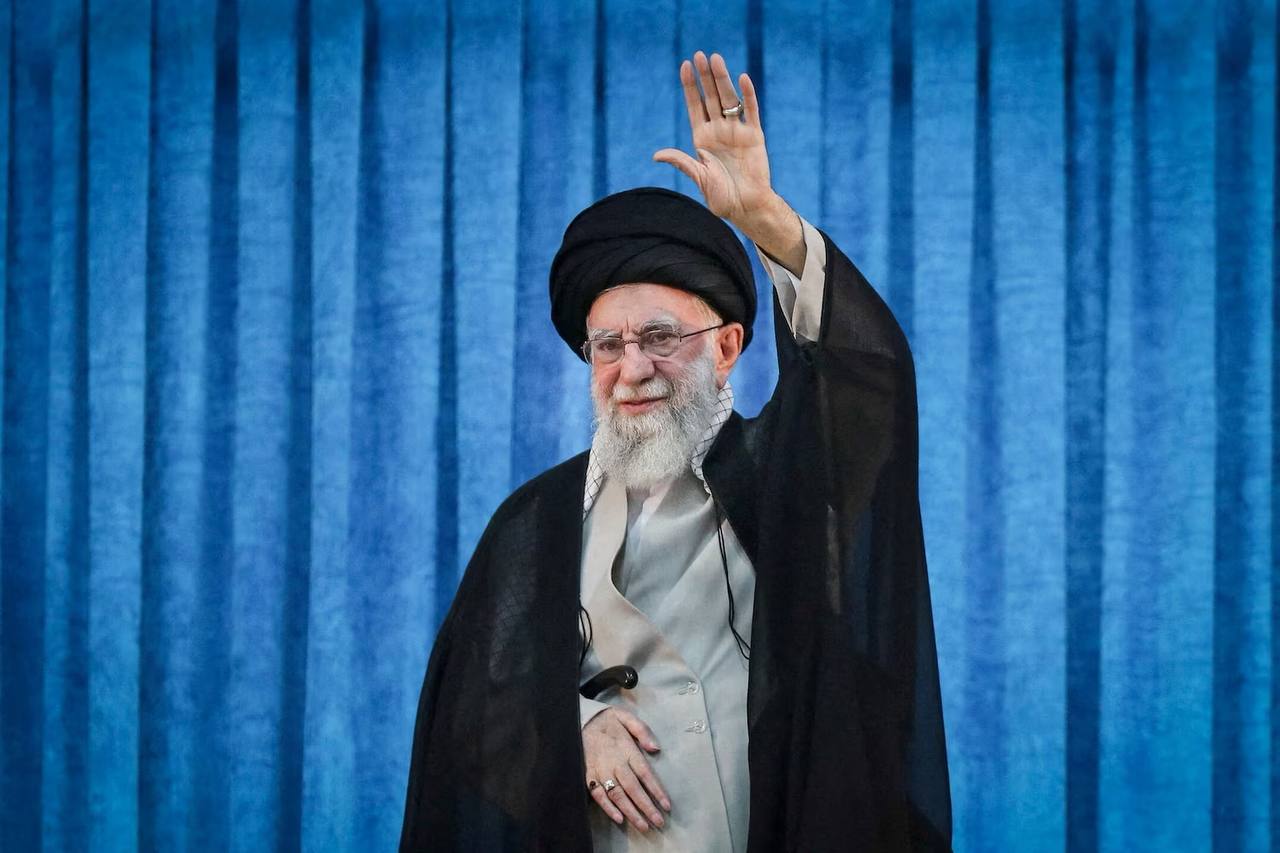
The Islamic Republic of Iran has begun an unprecedented seven-day state funeral programme for Ali Khamenei and members of his family following their deaths during the 2026 Iran war, with representatives from more than 100 countries expected to participate in one of the largest political and religious gatherings in the modern Middle East.
Iranian state-linked broadcaster IRIB reported that global leaders, presidents, prime ministers, senior military officials, religious scholars and diplomatic delegations from across Asia, Africa, Europe and Latin America are arriving in Tehran to attend the ceremonies, which officially commenced on Friday, July 3.
The funeral ceremonies are taking place amid heightened regional tensions and fragile ceasefire negotiations following months of war involving Iran, the United States, Israel and allied armed groups across the Middle East.
READ ALSO: BREAKING: Iran Confirms Death of Supreme Leader Ayatollah Ali Khamenei
READ ALSO: Iran Supreme Leader Calls For War-Crimes Charges On US, Israel Leaders
READ ALSO: US-Iran Ceasefire Falters, Israel Expands Lebanon Offensive And Hezbollah Rejects Peace Framework
According to Iranian reports, Khamenei was killed at the age of 86 during a joint U.S.-Israeli air strike on his compound on February 28, the opening day of the war that later escalated into one of the most dangerous regional confrontations in recent history
Iranian authorities say several members of Khamenei’s family were also killed during the strikes, transforming the funeral into both a national mourning event and a symbol of what Tehran describes as resistance against foreign aggression.
For months, funeral ceremonies were reportedly postponed because of the continuing conflict, security threats and fears of renewed military escalation.
However, after a ceasefire framework was announced through Pakistani mediation efforts between Washington and Tehran, Iranian authorities moved forward with preparations for the state burial programme.
Massive crowds began gathering across Tehran early Friday as black banners, religious symbols and portraits of Khamenei filled major streets, mosques and government buildings.
Iranian state television showed mourners chanting religious slogans while funeral processions moved through heavily secured sections of the capital under tight military and security protection.
The funeral programme is expected to continue for seven days across multiple cities in Iran and Iraq, reflecting Khamenei’s position not only as Iran’s supreme political authority for more than three decades but also as one of the most influential Shiite religious leaders in the Muslim world.
The ceremonies are scheduled to include:
- State mourning events in Tehran,
- Religious commemorations in Qom and Mashhad,
- Processions linked to major Shiite holy shrines,
- And memorial gatherings in Iraqi religious centers connected to Shiite scholarship and pilgrimage.
Officials say millions of mourners are expected to participate throughout the week.
The presence of international delegations has already transformed Tehran into the center of intense diplomatic activity.
Among those reportedly attending or expected are senior political leaders, foreign ministers, military commanders and religious authorities from countries aligned with Iran or involved in recent mediation efforts.
Reports also indicate that Pakistani Prime Minister Shehbaz Sharif and senior officials from Pakistan are participating in the funeral ceremonies, highlighting Islamabad’s growing diplomatic role during the recent crisis.
Iranian officials describe the funeral as a demonstration of international solidarity against what they characterize as unlawful military aggression by Washington and Tel Aviv.
The funeral comes at a time when tensions remain dangerously high across the region.
Iran’s leadership has accused the United States and Israel of committing war crimes during the conflict, with senior Iranian officials demanding international legal action against leaders in both countries.
Khamenei’s death has also intensified political uncertainty over the future direction of Iran’s leadership and regional alliances.
At the same time, military confrontations continue despite the fragile ceasefire framework.
Recent U.S. strikes reportedly targeted Iranian coastal areas including Qeshm Island, while Tehran accused Washington of violating the memorandum of understanding tied to the ceasefire agreement.
Iranian Foreign Minister Abbas Araghchi recently warned that the Strait of Hormuz remains under full Iranian control and cautioned that further American attacks could worsen the already precarious regional situation.
Meanwhile, Hezbollah has vowed to continue armed resistance against Israel, rejecting diplomatic arrangements linked to the Lebanon front.
The regional conflict has also severely disrupted global energy markets, maritime trade and petrochemical supplies, particularly because of repeated tensions around the Strait of Hormuz, through which a substantial share of global oil exports passes daily.
Analysts say the funeral of Khamenei has become far more than a religious event.
It is now viewed as:
- A major geopolitical gathering.
- A display of Iran’s regional alliances,
- A symbolic show of resilience after months of war,
- And a crucial moment that could shape the future political direction of the Middle East.
Security measures across Tehran and other cities remain extremely tight amid fears of possible attacks or renewed escalation during the mourning period.
Iranian authorities have deployed large numbers of security personnel, military forces and intelligence units to secure roads, airports, government buildings and religious centers connected to the ceremonies.
As dignitaries continue arriving from around the world, the funeral programme is expected to dominate regional diplomacy and international attention throughout the coming week while world powers closely monitor whether the fragile ceasefire can survive the growing political and military tensions surrounding the mourning ceremonies.