
BY: SANI MAGAJI GARKO, KANO.
The United States and Iran have traded fresh attacks around the strategic Strait of Hormuz, with the confrontation escalating into direct strikes on oil tankers and raising fears of a wider maritime war that could disrupt global energy supplies.
The latest escalation followed attacks by Iran’s Islamic Revolutionary Guard Corps (IRGC) on two U.S. Navy warships near the Strait. Washington said its vessels evaded the Iranian missiles without casualties before U.S. forces struck three Iranian crude-oil tankers.
U.S. Central Command said the tankers were linked to Iran’s “shadow fleet” and helped finance the IRGC and its regional proxies. Iran, however, condemned the strikes as economic warfare.
READ ALSO: Pakistan Seeks To Defuse US-Iran Crisis Amid New Sanctions Threat as Army Chief Visit Tehran
The IRGC subsequently claimed that Iranian forces attacked three oil tankers and three U.S.-linked vessels, describing them as retaliation for the American strikes. The claims have not all been independently verified.
The latest developments came after an earlier Iranian attack on the Saudi tanker SIDR, which killed two Filipino crew members. Qatar strongly condemned the incident and rejected the use of the Strait of Hormuz as a “bargaining chip,” calling for freedom of navigation and the immediate reopening of the waterway.
The crisis has already severely reduced commercial shipping through Hormuz, one of the world’s most important oil and gas routes. The Strait normally carries roughly one-fifth of global oil supplies, making prolonged disruption a major threat to international energy markets.
The confrontation has also been accompanied by claims of naval mines in the waterway, with the IRGC previously saying two tankers caught fire after striking mines. That claim has not been independently confirmed.
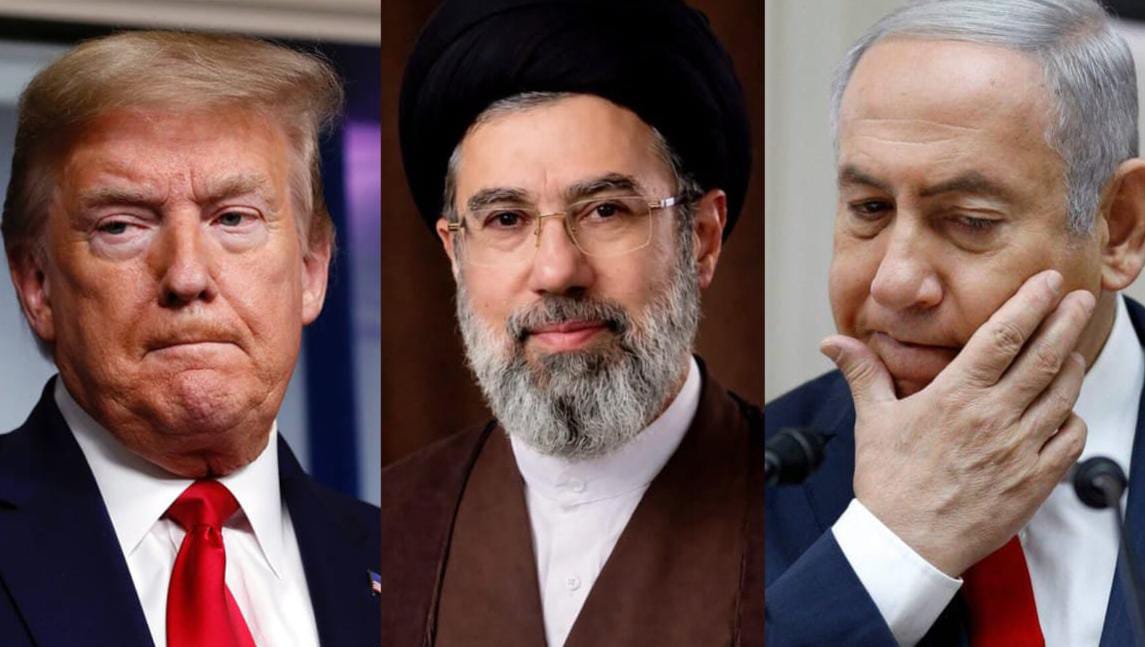
U.S. President Donald Trump has maintained pressure on Tehran and has controversially suggested calling the waterway the “Trump Strait,” although such a proposal would not change its internationally recognised name or legal status.
Qatar, Saudi Arabia and other Gulf states have called for restraint, while diplomatic efforts involving regional actors including Pakistan continue to face severe pressure.
Iran has also warned that it is watching Israel closely as it was behind all the recent escalation of the war.
Israel prime minister Benjamin Netanyahu had in recent interview with Israel media insist that under his watch, Iran will never build nuclear weapons.
With Iranian missiles targeting U.S. naval assets and American forces striking Iranian oil carriers, the Strait of Hormuz has become one of the most dangerous fronts of the U.S.-Iran war, with any further attack on commercial shipping capable of sending global oil prices and shipping costs sharply higher.