
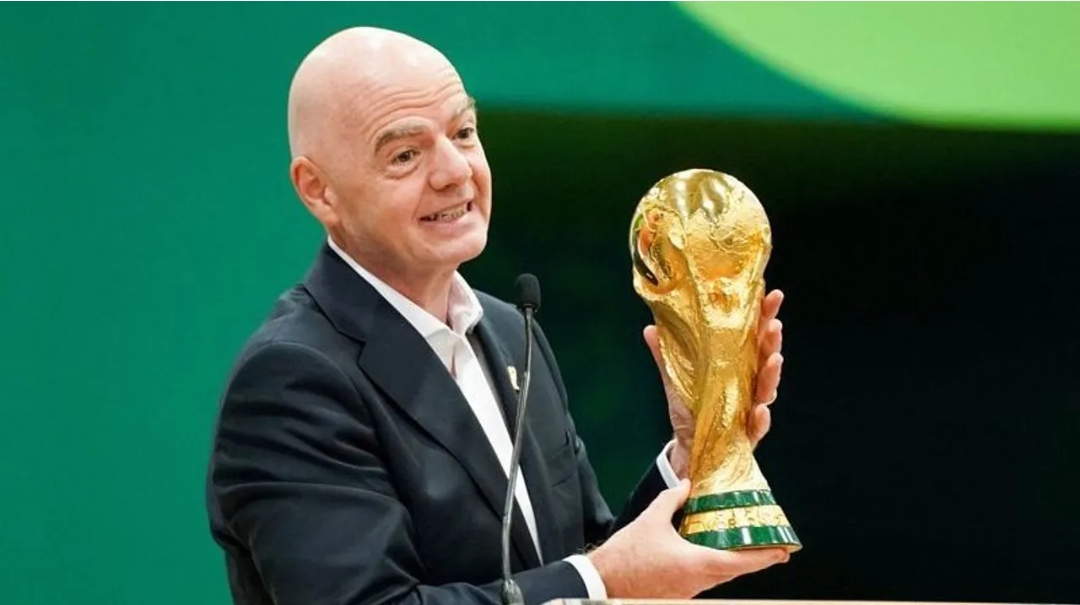
The World Football Governing Body (FIFA) has officially withdrawn its controversial proposal to sell a minority stake in the commercial rights of the FIFA World Cup and other major competitions to private investors, ending a dispute that had threatened to trigger one of the biggest governance crises in the history of international football.
The decision followed intense opposition from the Union of European Football Associations (UEFA), several national football associations and other stakeholders, who argued that the World Cup should remain under the full control of football’s governing institutions rather than becoming part of an investment vehicle for private equity firms.
The proposal, championed by FIFA President Gianni Infantino, sought to establish a new commercial entity that would manage the marketing and commercial rights of FIFA competitions. Under the plan, FIFA would have retained overall governance while selling a minority stake in the new company to private investors in a bid to generate billions of dollars for football development projects around the world.
READ ALSO: Kano Uncovers Alleged Rimin Zakara Land-Grab Syndicate, Arrests Two Over Sale of Govt Plots
FIFA maintained that the additional investment would have strengthened football infrastructure, youth development, grassroots programmes and financial support for its 211 member associations.
However, the proposal immediately sparked fierce resistance from UEFA, which insisted that the FIFA World Cup is one of football’s greatest global assets and should never be subjected to private commercial ownership.
The European governing body warned that the move risked undermining football’s independence, transparency and long-term integrity.
UEFA also questioned the governance framework surrounding the proposal and called for greater consultation before any major structural changes to the commercial management of FIFA competitions.
The dispute escalated dramatically after reports emerged that UEFA and its 55 member associations were prepared to boycott FIFA competitions, including future FIFA World Cups, should the proposal proceed.
The prospect of Europe’s leading football nations—including Spain, England, France, Germany, Italy, Portugal and the Netherlands—refusing to participate in FIFA tournaments raised fears of an unprecedented split in world football.
Analysts warned that such a boycott would have had far-reaching consequences for the World Cup, affecting its sporting quality, commercial value, broadcasting agreements, sponsorships and global appeal.
Facing mounting pressure, FIFA announced that it had decided to withdraw the proposal in the interest of preserving unity within the global football family.
President Gianni Infantino said the decision reflected FIFA’s commitment to maintaining cooperation among football’s governing bodies and ensuring that the interests of the game remain paramount.
The withdrawal has been widely interpreted as a significant victory for UEFA, whose firm opposition played a central role in forcing FIFA to reconsider its position.
UEFA welcomed FIFA’s decision but stressed that the episode highlighted the need for stronger governance, greater transparency and more meaningful consultation between football’s international stakeholders before proposals affecting the future of the sport are introduced.
The resolution of the dispute has eased immediate fears of a boycott and removed uncertainty surrounding future FIFA competitions, including the World Cup.
Football observers say the episode serves as a reminder of the delicate balance between expanding commercial revenues and protecting the traditions, governance and integrity of the world’s most popular sport.
While FIFA’s decision has defused tensions for now, analysts believe the debate over how football should generate and manage its growing commercial wealth is far from over. As revenues from global tournaments continue to rise, governing bodies are expected to face increasing scrutiny over how the game’s assets are managed and how future commercial reforms are pursued.
For now, however, the threat of a historic split has been averted, with FIFA stepping back from a proposal that had united much of the football world in opposition and reaffirming that dialogue remains the preferred path in shaping the future of the global game.