
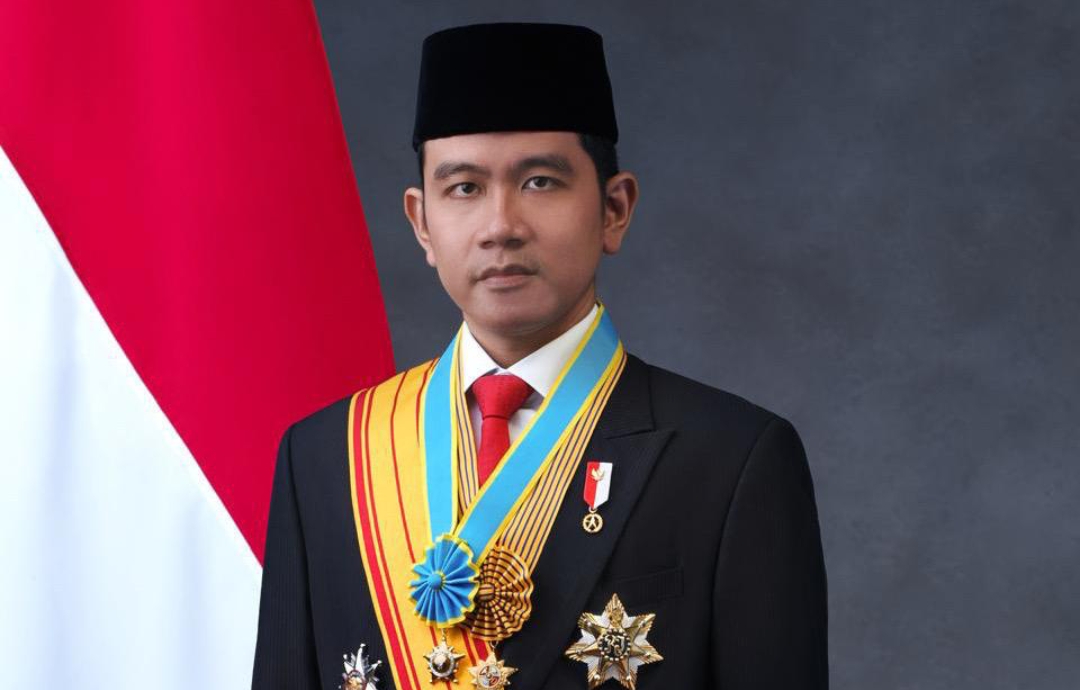
Indonesia’s Vice-President, Gibran Rakabuming Raka, has formally resigned from office amid mounting controversy over his educational qualifications and eligibility to serve in the country’s highest political leadership.
Gibran, 39, submitted his resignation letter to the leadership of the People’s Consultative Assembly (MPR) in Jakarta on Thursday, November 12, 2026, ending his tenure approximately three years before the expiration of his five-year mandate.
The resignation was confirmed by MPR Speaker Ahmad Muzani, who said the vice-president personally delivered the letter and requested that the Assembly process his decision.
The resignation followed weeks of controversy over Gibran’s educational records, particularly whether his studies abroad satisfied Indonesia’s legal requirement that presidential and vice-presidential candidates must have completed senior high school or an equivalent qualification.
The Supreme Court and Constitutional Court issued separate rulings in October 2026 questioning aspects of the educational documents he relied upon during the 2024 election.
The controversy intensified on November 11 when more than 120 lawmakers from eight political parties reportedly signed a petition seeking parliamentary action that could have led to impeachment proceedings over his eligibility.
Gibran reportedly informed President Prabowo Subianto of his intention to resign during a meeting on November 10, explaining that he did not want the controversy to develop into a prolonged political crisis.
His resignation letter reportedly described the decision as voluntary and cited personal reasons and public sentiment. The parliamentary meeting scheduled to consider the impeachment proposal was subsequently cancelled following his departure.
Gibran is the eldest son of former Indonesian President Joko Widodo, popularly known as Jokowi, and became vice-president after winning the 2024 election alongside Prabowo.
His candidacy had earlier generated controversy because he was 36 at the time, below the normal minimum age requirement of 40, although a controversial Constitutional Court ruling created an exception for candidates who had served or been elected as regional leaders.
Under Indonesia’s Constitution, Gibran’s resignation does not automatically remove President Prabowo from office or require a fresh presidential election.
The president is expected to nominate two candidates for the vacant vice-presidential position, while the People’s Consultative Assembly will elect a replacement within 60 days.
Gibran’s resignation is being reported as an unprecedented development in Indonesia’s post-1998 democratic era, with the country facing the task of filling the vice-presidential position before the end of the current administration.
The development has also renewed debate about political influence, constitutional accountability and public confidence in Indonesia’s democratic institutions. It comes amid wider concerns about economic hardship, corruption allegations and government policies under the Prabowo administration, as well as reported political tensions involving the former president, Jokowi, whose support played an important role in the 2024 election victory.