
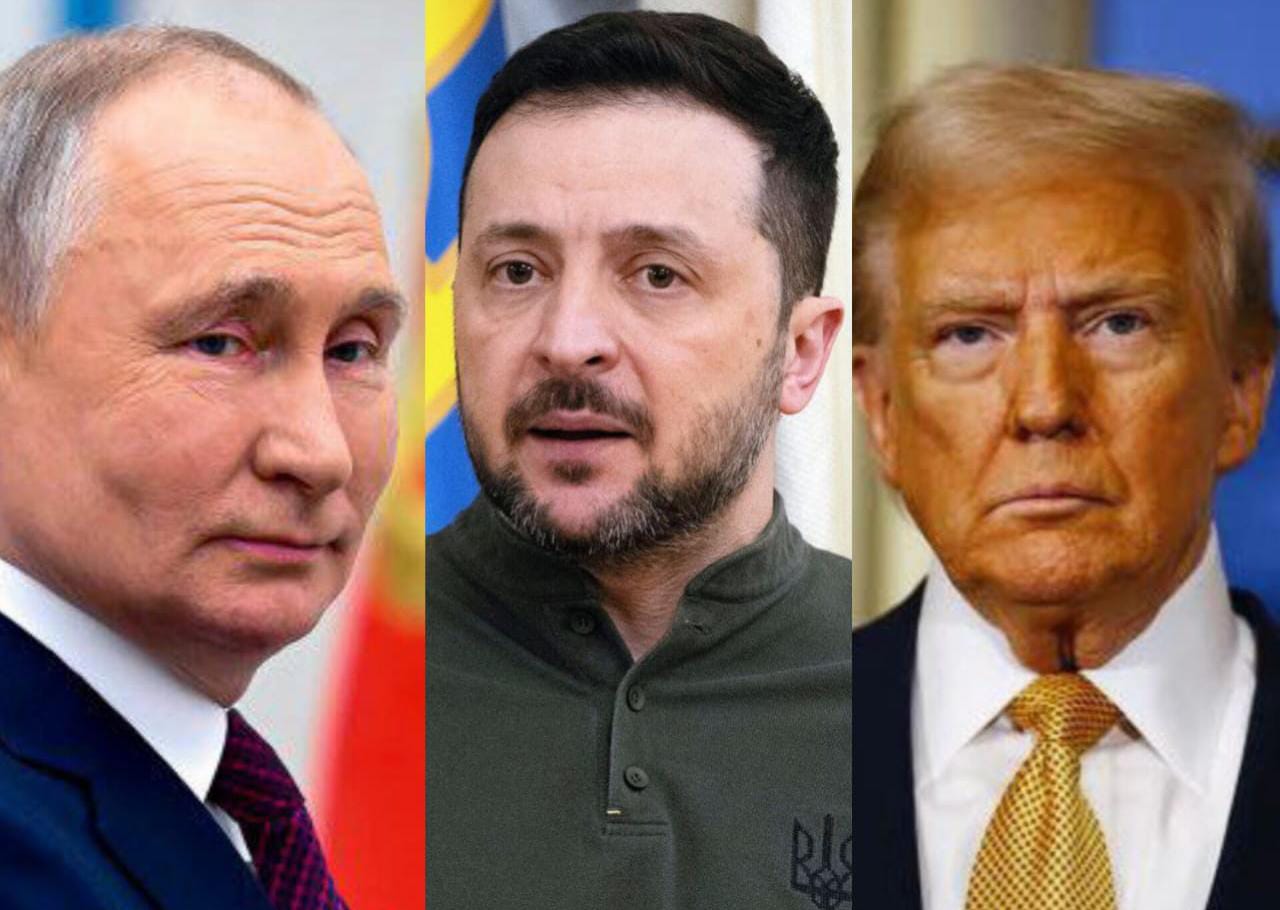
Ukrainian President Volodymyr Zelensky has declared that Europe must be involved at every stage of negotiations to end Russia’s war against Ukraine, insisting that no meaningful or lasting peace agreement can be reached without the participation of European countries whose security is directly threatened by the conflict.
His position follows Russia’s initial opposition to European involvement in direct negotiations, although the United States has announced that Russian President Vladimir Putin has reportedly agreed to allow European representatives to participate in the next round of peace talks.
The diplomatic disagreement followed renewed negotiations involving Russia, Ukraine and the United States in Abu Dhabi, United Arab Emirates, on November 10 and 11, 2026.
The discussions brought together representatives of the three countries in an effort to advance a possible ceasefire and establish a framework for ending the war, which began with Russia’s full-scale invasion of Ukraine in February 2022. European officials from the United Kingdom, France, Germany, Italy, NATO and the European Commission were also involved in separate consultations, but were excluded from the direct trilateral negotiating sessions.
Russia had insisted that the negotiations should remain a three-party process involving Moscow, Kyiv and Washington, arguing that European governments have taken positions that make them unsuitable as neutral participants.
The Kremlin has repeatedly accused European countries of prolonging the war through military assistance, financial support and political backing for Ukraine. Moscow has also linked the conflict to its longstanding opposition to NATO’s eastward expansion and Ukraine’s ambition to join the Western military alliance.
Reacting to the disagreement, Zelensky maintained that Europe must be represented at every stage of genuine diplomacy, arguing that European countries cannot be excluded from decisions that will determine the continent’s future security.
He said Ukraine was committed to achieving a dignified and sustainable peace but would not accept an arrangement negotiated over its head or one that undermines its sovereignty. The Ukrainian president also stressed that the United States and its European allies must provide credible security guarantees to prevent Russia from launching another invasion.
The latest negotiations reportedly addressed humanitarian arrangements, possible de-escalation measures and security guarantees for Ukraine.
Zelensky described the discussions as constructive and substantive, expressing hope that diplomatic engagement could produce progress towards ending hostilities.
Ukraine has continued to demand an unconditional ceasefire as the first step towards broader negotiations, alongside international guarantees, continued military support and respect for its territorial integrity.
However, territorial disagreements remain a major obstacle. Russia currently occupies approximately one-fifth of Ukrainian territory and continues to demand control over areas it claims to have annexed, including parts of the eastern Donbas region.
Kyiv has rejected surrendering additional territory or recognising Russia’s annexations, insisting that internationally recognised Ukrainian borders must be respected. Moscow has also demanded restrictions on Ukraine’s military capabilities and its future relationship with NATO, conditions Kyiv considers unacceptable because they could leave the country vulnerable to renewed aggression.
The diplomatic situation appeared to change on November 12 when US special envoy Steve Witkoff said Putin had agreed to allow European representatives to participate in the next round of negotiations. Zelensky welcomed the reported development, expressing hope that wider participation would strengthen efforts towards a ceasefire and lasting peace.
However, Russian presidential aide Yuri Ushakov did not clearly confirm the announcement and criticised Europe’s position, describing it as a recipe for endless war. The conflicting statements have left uncertainty over whether Moscow has formally accepted Europe’s participation.
Putin has separately warned that the deployment of Western troops in Ukraine after a peace agreement would be considered a threat to Russia and could trigger another conflict. He has questioned whether European governments genuinely want peace or are seeking continued confrontation with Moscow.
European leaders, however, insist that the continent must have a say in its security arrangements and that Russia cannot dictate the foreign and defence policies of independent countries.
Meanwhile, military operations have continued despite renewed diplomatic efforts, with Russian attacks on Ukrainian cities and critical infrastructure raising concerns about civilian safety and energy supplies ahead of winter. Ukraine has also continued drone operations against Russian military and energy-related targets.
The continued hostilities underline the difficulty of negotiating a ceasefire while both countries remain deeply divided over territory, security arrangements and the future political direction of Ukraine.
The United States has intensified its diplomatic efforts under President Donald Trump, with Witkoff and Jared Kushner playing prominent roles in negotiations. Although the latest discussions have raised hopes of further diplomatic engagement and possible humanitarian agreements, no comprehensive ceasefire or final peace settlement has been secured.
For Kyiv, the central condition remains a settlement that protects Ukraine’s sovereignty, territorial integrity and long-term security, while Moscow is seeking concessions on territory, NATO and the wider European security order. Whether Putin’s reported willingness to include European representatives will translate into genuine diplomatic progress remains a major test for the next phase of negotiations.