
The Kano State Sharia Commission has announced plans to strengthen efforts against the growing circulation of abusive, inflammatory and inciting content on social media, calling on online media organisations to support its public enlightenment campaign across the state.
The Commission made the appeal on Thursday, November 26, 2026, during a special engagement with members of the Kano Online Media Chapel, where it sought stronger cooperation with professional media practitioners in promoting responsible social media use and discouraging online activities capable of threatening peaceful coexistence.
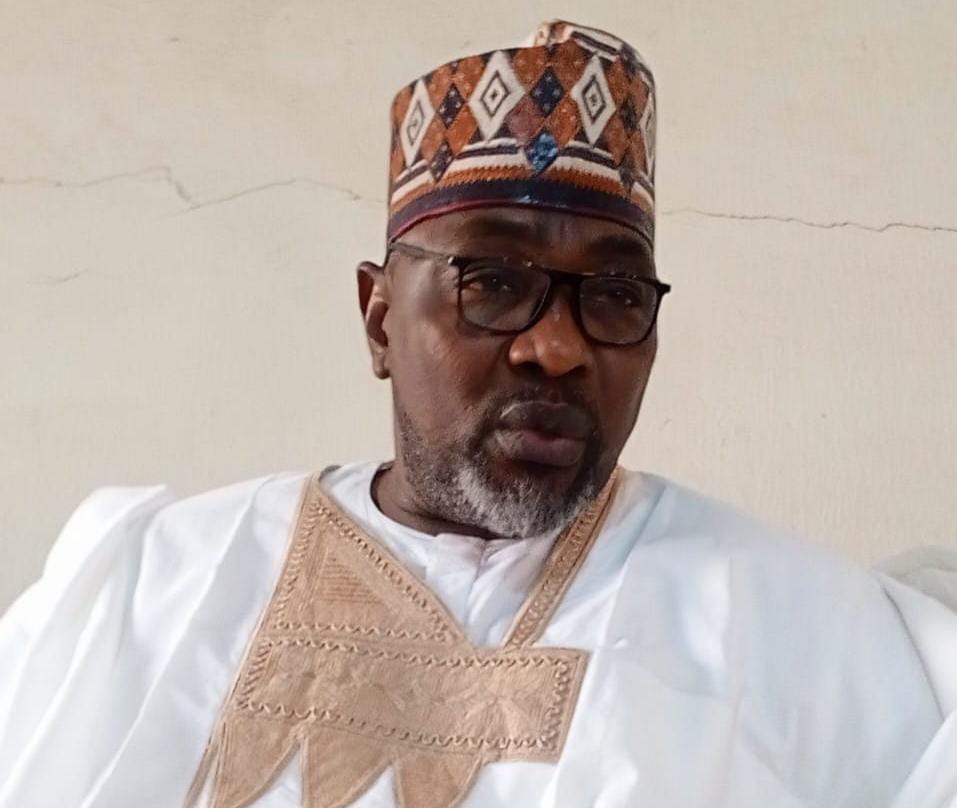
Speaking at the meeting, the Commissioner of the Kano State Sharia Commission, Sheikh Ali Dan Abba, expressed concern over the increasing misuse of social media platforms, noting that online activities have become influential in shaping public behaviour, opinions and relationships within communities.
READ ALSO: Kano Poly Rector Responds To GLOBAL TRACKER’s Publications, Highlights Achievements
He clarified that the Commission’s concerns were not specifically directed at recognised online media organisations or professional journalists, but at individuals who use social media to circulate abusive language, personal attacks, fabricated stories and inflammatory statements capable of creating tension and division.
Dan Abba urged members of the public to exercise restraint in their online engagements, stressing that social media users should understand the consequences of their publications and avoid sharing content that could provoke hostility or undermine peaceful coexistence.
The Commissioner also disclosed that the Commission was preparing enforcement measures to address the situation, while emphasising the importance of working with established media organisations to educate the public and promote responsible digital communication.
He explained that professional online media practitioners could serve as important partners in reaching a wider audience, particularly by using their platforms to discourage abusive publications and raise awareness about the dangers of irresponsible social media activities.
Responding on behalf of the practitioners, Chairman of the Kano Online Media Chapel, Comrade Abubakar Dangambo, acknowledged the concerns raised by the Commission and clarified that the problem also affects professional online media organisations.
Dangambo observed that some individuals operate from the comfort of their homes, fabricate stories and circulate them online without verification, thereby creating challenges for recognised media organisations that strive to maintain professional standards.
He noted that the circulation of fabricated information by unaccountable individuals can damage public confidence in online journalism and make it difficult for audiences to distinguish credible news reports from misleading publications.
The Chairman’s remarks reinforced the need to promote responsible information sharing and distinguish professional journalism from unverified content circulated by individuals without recognised editorial standards.
The engagement comes at a time when social media platforms have become major channels for news consumption, public debate, entertainment and communication across Nigeria.
Although digital platforms have expanded opportunities for information sharing and public participation, their misuse can expose individuals and communities to harassment, misinformation, threats, character attacks and messages capable of provoking violence or communal hostility.
The proposed partnership between the Sharia Commission and online media practitioners is therefore expected to strengthen public awareness and encourage social media users to exercise greater responsibility in their online activities.
However, the Commission’s planned enforcement measures will require clear guidelines, transparency and respect for the rights of citizens, particularly freedom of expression and the legitimate role of journalists in reporting public-interest issues.
The distinction between abusive or inciting content and lawful criticism, investigative reporting and public debate will remain important in ensuring that efforts to address online misconduct do not undermine legitimate expression.
The meeting has consequently opened an opportunity for closer engagement between the Commission and professional media organisations in promoting responsible digital behaviour, protecting peaceful coexistence and addressing the challenges associated with the misuse of social media across Kano State.