
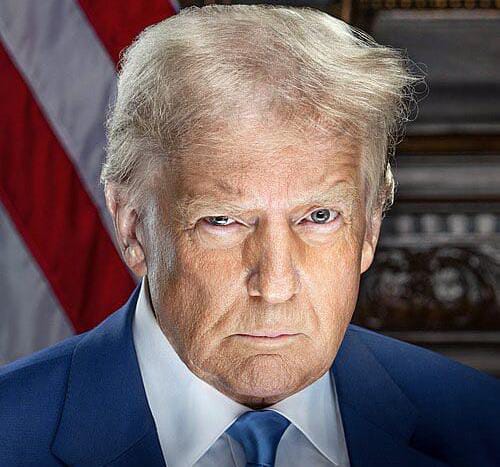
Thousands of Nigerians seeking to travel, study, work or reunite with family members in the United States are set to face stricter immigration hurdles following the implementation of a new visa restriction policy by the administration of President Donald Trump, placing Africa’s most populous nation among 39 countries affected by sweeping new entry measures.
The policy, which took effect on January 1, 2026, imposes a partial suspension on the issuance of several categories of visas to Nigerian citizens and forms part of a broader immigration crackdown that the White House said is aimed at strengthening national security, improving immigration compliance and enhancing identity verification.
Although the United States has not imposed a total travel ban on Nigeria, the new measures suspend the issuance of immigrant visas as well as several key non-immigrant visa categories for Nigerian nationals, including B-1 and B-2 business and tourist visas, B-1/B-2 combined visas, F student visas, M vocational student visas and J exchange visitor visas, subject to limited exemptions provided under U.S. law.
READ ALSO: Nigeria, US in Talks Over Trump Threats
The restrictions are expected to affect thousands of Nigerians every year, particularly students pursuing higher education in American universities, business executives, professionals attending conferences, exchange programme participants and families seeking permanent residence in the United States.
In explaining the decision, the White House cited concerns over national security, visa overstay rates, information-sharing, identity management and the activities of terrorist organisations operating in parts of Nigeria, including Boko Haram and Islamic State affiliates.
While existing valid visas are generally not automatically revoked, prospective applicants in the affected categories will face significant new barriers unless they qualify for exemptions, including diplomatic, humanitarian or national-interest cases.
The latest proclamation expands an earlier travel restriction policy and affects countries across Africa, Asia, the Middle East, the Caribbean and Latin America.
Under the policy, 19 countries are subject to full entry restrictions. They are Afghanistan, Burkina Faso, Chad, Republic of the Congo, Equatorial Guinea, Eritrea, Haiti, Iran, Laos, Libya, Mali, Myanmar, Niger, Sierra Leone, Somalia, South Sudan, Sudan, Syria and Yemen.
Another 20 countries, including Nigeria, are under partial visa restrictions. They are Angola, Antigua and Barbuda, Benin, Burundi, Côte d’Ivoire, Cuba, Dominica, Gabon, The Gambia, Malawi, Mauritania, Nigeria, Senegal, Tanzania, Togo, Tonga, Turkmenistan, Venezuela, Zambia and Zimbabwe.
Nigeria accounts for one of the largest numbers of African travellers to the United States for education, business and family visits, raising concerns among travel operators, education consultants and immigration lawyers that the new policy could have far-reaching economic and social implications.
Universities, recruitment agencies and international education consultants are also expected to feel the impact as Nigerian students have consistently ranked among Africa’s largest international student populations in the United States.
The restrictions could also affect commercial ties between Nigeria and the United States by making business travel more difficult for entrepreneurs and corporate executives, while families with pending immigration applications may face prolonged uncertainty.
The US Mission in Nigeria has maintained that the measures are based on security and immigration standards rather than nationality alone, adding that the restrictions could be reviewed if affected countries address the concerns identified by the U.S. government.
The latest policy has already generated debate among diplomatic observers, who say it will test relations between Washington and several African governments.
While supporters argue that the restrictions are necessary to protect U.S. national security and strengthen immigration controls, critics contend that they risk undermining educational exchanges, investment, tourism and long-standing people-to-people ties.
For many Nigerians hoping to study, invest, conduct business or reunite with loved ones in the United States, the new restrictions mark a significant tightening of one of the world’s most sought-after visa systems, with the full impact expected to become clearer in the months ahead.