
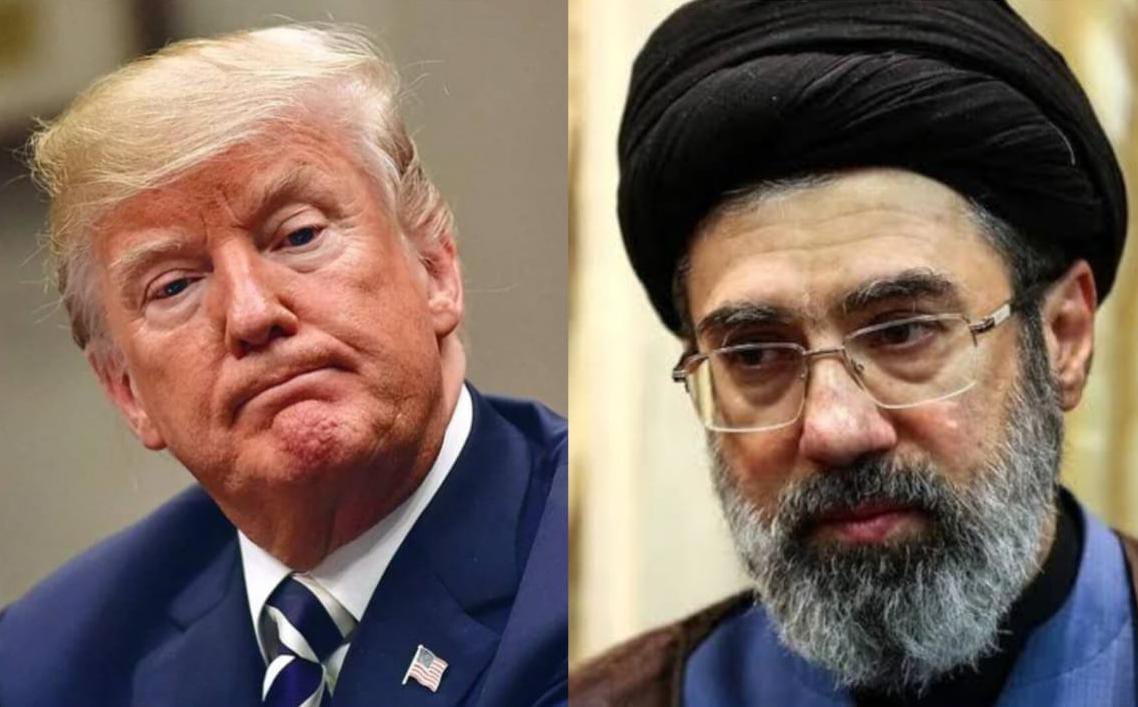
The United States (US) has launched a seventh consecutive night of air strikes on Iran, intensifying one of the most dangerous military confrontations in the Middle East in decades despite ongoing diplomatic efforts aimed at preventing the conflict from spiralling into a wider regional war.
According to reports, US forces carried out a fresh wave of precision strikes against Iranian military targets overnight, extending a week-long campaign that Washington says is designed to degrade Iran’s military capabilities and protect international security.
US Central Command (CENTCOM) said the latest operation targeted facilities linked to Iran’s air defence systems, coastal surveillance network, logistics infrastructure and maritime operations. The strikes are part of an expanding military campaign ordered by President Donald Trump following weeks of heightened tensions in the Gulf.
The seventh night of attacks follows earlier strikes on Iranian military installations in the southern coastal region, including reported operations near Qeshm Island, Bandar Abbas, Sirik and other strategic locations overlooking the Strait of Hormuz.
Washington maintains that the operations are intended to deter attacks on US forces, protect commercial shipping and reduce threats posed by Iranian military assets in one of the world’s most strategically important waterways.
Iran has strongly condemned the continued bombardment, accusing the United States of violating the ceasefire framework that had been announced following mediation efforts led by Pakistan.
Iranian officials insist that Washington’s military actions have undermined diplomatic progress and increased the risk of a broader regional conflict.
Foreign Minister Abbas Araghchi recently warned that the Strait of Hormuz remains under Iran’s control and cautioned that any further American attacks would only worsen an already fragile security situation in the Gulf.
The latest strikes come only days after Iranian leaders accused the United States and Israel of responsibility for the death of former Supreme Leader Ali Khamenei during the opening phase of the war.
Iran has since held massive state funeral ceremonies attended by millions of mourners and delegations from more than 100 countries, while senior officials called for international war-crimes investigations into American and Israeli leaders.
Military Tensions Have Also Spread Beyond Iran.
Israeli forces continue operations in southern Lebanon, where clashes with Hezbollah have intensified despite diplomatic efforts to secure a broader ceasefire.
At sea, repeated incidents involving commercial vessels and military assets near the Strait of Hormuz have heightened concerns over global energy security.
The waterway carries a significant share of the world’s oil and liquefied natural gas exports, making any disruption a major concern for international markets.
Energy analysts warn that prolonged military operations around the Gulf could trigger renewed increases in oil prices, shipping insurance costs and freight rates, placing additional pressure on an already uncertain global economy.
Despite the continued exchange of military strikes, diplomatic channels remain open.
President Trump has said conversations with Iran have continued, while Pakistani officials have sought to preserve the ceasefire framework through ongoing mediation.
However, repeated attacks by both sides have cast serious doubt on the durability of any peace agreement.
Security experts warn that each additional round of strikes increases the possibility of miscalculation, raising the risk that the conflict could expand to involve more regional actors and threaten wider international stability.
As the seventh consecutive night of U.S. strikes underscores the persistence of the conflict, the international community faces mounting pressure to revive negotiations before the confrontation develops into a broader regional war with far-reaching consequences for global security and energy supplies.