
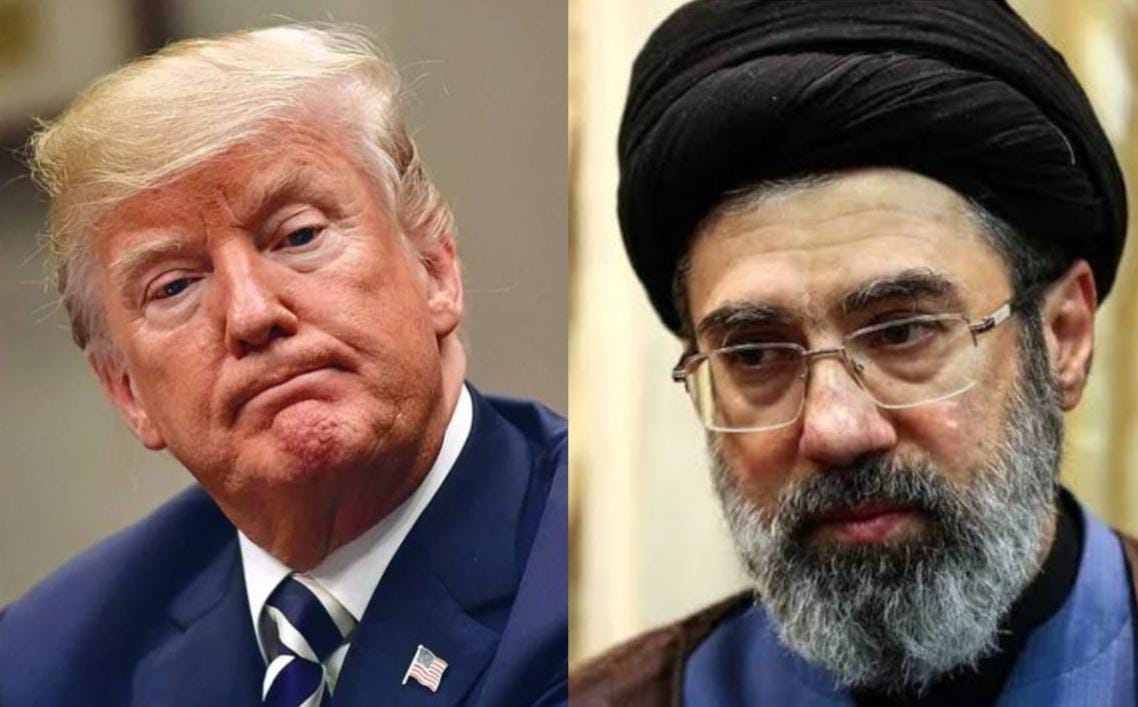
The fragile ceasefire between the United States and Iran came under renewed pressure after Iran’s Parliament Speaker and chief negotiator, Mohammad Bagher Ghalibaf, accused Washington of violating the terms of the truce through continued economic pressure on Tehran and its failure to restrain Israel’s expanding military campaign in Lebanon.
The accusations came amid a series of escalating military developments across the Middle East, including fresh US strikes on Iranian military facilities, Iranian retaliatory actions in the Persian Gulf, and Israel’s deepening offensive against Hezbollah in southern Lebanon.
Speaking as diplomatic efforts continue to salvage the ceasefire, Ghalibaf argued that the United States cannot claim to support peace while simultaneously maintaining what Iran describes as a blockade on its ports and allowing Israeli military operations to intensify on the Lebanese front.
According to Iranian officials, the continuation of maritime restrictions against Iranian shipping and ongoing military pressure undermine confidence in negotiations and cast doubt on Washington’s commitment to a lasting agreement.
The latest dispute emerged shortly after US Central Command confirmed strikes on Iranian radar, drone-control and air-defense facilities in Goruk and on Qeshm Island near the Strait of Hormuz.
Washington described the operations as defensive actions following the reported downing of an American drone and threats against international shipping routes.
Iran strongly condemned the attacks, accusing the United States of violating both Iranian sovereignty and the spirit of the ceasefire.
The Islamic Revolutionary Guard Corps subsequently announced that it had launched a retaliatory strike against a base it claimed was used to support attacks on Iran’s Sirik Island, warning that future responses could be more severe if military pressure continues.
The confrontation marks one of the most serious direct exchanges between Washington and Tehran since ceasefire negotiations began and highlights the continuing volatility of the Gulf region.
At the same time, Iran has sought to demonstrate its military readiness. The IRGC recently unveiled its newest naval attack craft, known as “27 Rajab”, reportedly capable of reaching speeds of up to 100 knots. Iranian military officials described the vessel as part of efforts to strengthen maritime deterrence and defend strategic waterways, particularly around the Strait of Hormuz.
Diplomatic tensions were further heightened by remarks from US President Donald Trump, who said he was in no hurry to conclude an agreement with Iran and believed Washington was achieving its objectives “slowly but surely.”
Reports from Washington indicated that Trump had requested additional amendments to a preliminary agreement during a meeting with senior advisers at the White House Situation Room.
The comments reinforced perceptions that major differences remain between the two sides despite months of negotiations and repeated attempts by regional mediators to secure a durable settlement.
Meanwhile, events in Lebanon have become increasingly intertwined with the broader US-Iran dispute.
Israeli forces have expanded military operations across southern Lebanon, announcing a large-scale offensive in the Beaufort Ridge and Wadi al-Salouqi regions.
Israeli media broadcast images showing the Israeli flag and the banner of the Golani Brigade flying over the historic Beaufort Castle after troops reportedly captured the strategic hilltop position.
Prime Minister Benjamin Netanyahu confirmed that Israeli forces had crossed the Litani River and were operating not only in southern Lebanon but also in areas of Beirut and the Bekaa Valley as part of a wider campaign against Hezbollah.
For Tehran, these developments have become a central issue in ceasefire discussions.
Iranian officials argue that Washington bears responsibility for restraining its closest regional ally and that continued Israeli military escalation contradicts American claims of supporting regional stability.
Iranian leaders have increasingly linked the future of the US-Iran ceasefire to developments in Lebanon, insisting that any lasting regional agreement must address Israeli military operations and civilian casualties resulting from the conflict.
Humanitarian concerns continue to mount as fighting intensifies. Lebanese authorities and international organizations have reported civilian deaths, injuries and displacement resulting from ongoing military operations, while aid agencies warn that the humanitarian situation in parts of southern Lebanon is deteriorating rapidly.
Analysts say the ceasefire now faces one of its most difficult tests since it was announced. With military exchanges continuing in the Gulf, negotiations stalled over key disagreements, and fighting expanding across Lebanon, the prospects for a comprehensive regional settlement remain uncertain.
As Washington and Tehran exchange accusations of ceasefire violations and Israel presses ahead with its military campaign, fears are growing that the Middle East could be moving toward a new phase of confrontation despite ongoing diplomatic efforts to prevent a broader war.