
BY: SANI MAGAJI GARKO, KANO
A planned high-level meeting between Iran, Gulf Arab states and Iraq to discuss the future of the strategically vital Strait of Hormuz has been postponed amid escalating tensions between Saudi Arabia and Iran-aligned forces in Yemen and Iraq.
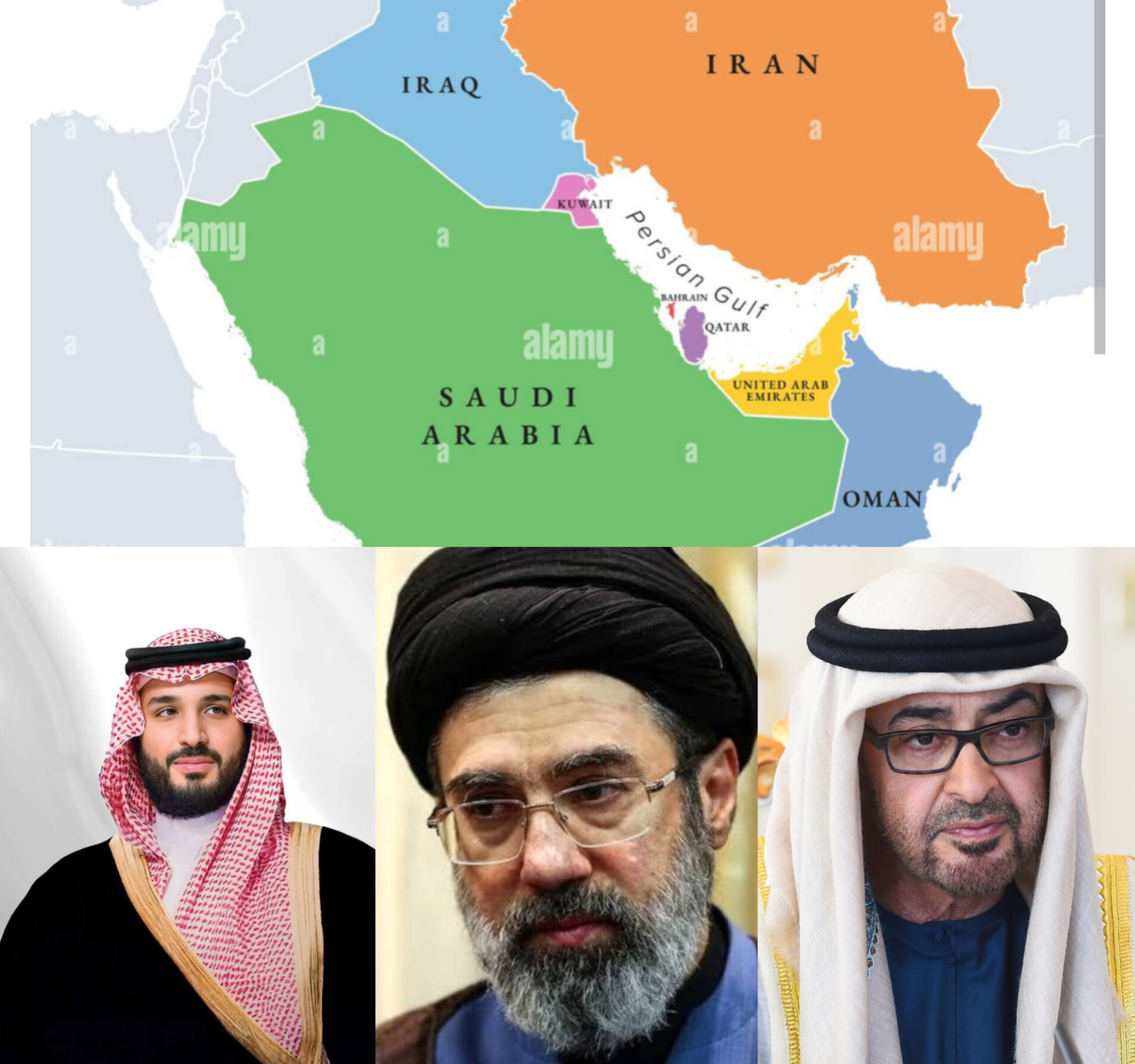
The meeting, scheduled for September 14 in Salalah, Oman, was expected to bring Iranian and Gulf officials together for significant regional discussions on the waterway since the outbreak of the wider US-Israeli war on Iran in February.
Oman, which has been mediating between Tehran and Washington and facilitating discussions on Hormuz, said the postponement was intended to create conditions for more constructive dialogue and a broader regional consensus. Iran, however, said Saudi Arabia had requested the delay because of developments in Yemen.
READ ALSO: Iran Medicine Shortages Deepen As US Sanctions, Blockade Disrupt Supplies
The proposed talks were primarily focused on restoring safer commercial navigation through the Strait of Hormuz, where shipping has suffered a dramatic collapse since the conflict began.
A major element under consideration was an Iranian-Omani proposal for temporary entry and exit corridors for commercial vessels. Under the framework, the inbound route would pass mainly through Iranian waters, while the outbound route would largely use Omani waters, with detailed maps and operational arrangements to be discussed with the Gulf states.
The talks were also expected to address mine clearance, maritime security, navigation procedures, search-and-rescue operations and possible voluntary fees or tolls to finance navigation and environmental services.
Iran has stressed that the proposed corridors would be temporary and would not necessarily amount to a complete reopening of the strait. Tehran has also sought recognition of its strategic interests and role in managing the waterway.
But the negotiations have become increasingly complicated by the deteriorating relationship between Saudi Arabia and Iran-aligned forces.
Saudi Arabia has faced renewed attacks from the Houthi movement in Yemen, while Iranian-backed groups in Iraq have also been accused of attacks affecting the kingdom.
Saudi Arabia reportedly sought changes to aspects of the proposed Hormuz arrangement, while Bahrain declined to participate in the planned meeting.
The developments have heightened concerns among Gulf states over whether a maritime agreement could be reached without addressing wider regional security issues.
The postponement came as Houthi forces intensified attacks on Saudi Arabia and expanded their position around Yemen’s Red Sea coast, increasing pressure on another critical maritime chokepoint, the Bab al-Mandab Strait.
The Strait of Hormuz is one of the world’s most important energy corridors, carrying a substantial share of global oil and liquefied natural gas shipments.
Its disruption has already caused a dramatic reduction in maritime traffic. Reuters reported that only four commodity vessels transited the strait on Monday, compared with 10 the previous day and an estimated pre-war average of about 125 daily transits.
The disruption has contributed to higher oil prices, increased shipping and insurance costs and growing fears of a wider global energy crisis.
Despite the postponement of the wider regional meeting, Iran says it has made progress with Oman on a bilateral framework for maritime routes.
Tehran says the arrangement is intended to provide controlled routes for commercial vessels and address practical navigation issues. However, major disagreements remain over the future status of Hormuz, Iran’s role in shipping arrangements and whether Gulf states will accept an agreement negotiated principally between Tehran and Muscat.
The failed meeting comes as the conflict increasingly threatens two of the world’s most important maritime chokepoints—Hormuz in the Gulf and Bab al-Mandab at the entrance to the Red Sea.
Iran has significant leverage over Hormuz, while the recent advances of its Houthi allies in Yemen have increased pressure around Bab al-Mandab.
Analysts warn that simultaneous disruption of both waterways could have severe consequences for global energy supplies, international trade and already fragile economies.
For Gulf countries, reopening secure shipping routes has become increasingly urgent as oil revenues and export capacity come under pressure. For Iran, maintaining influence over Hormuz provides important strategic leverage in its confrontation with the United States and in negotiations over the future regional security order.
Oman is expected to continue its diplomatic efforts, although no new date for the postponed Iran-Gulf meeting has been announced.
The immediate challenge is whether Tehran, Riyadh, Muscat and other regional capitals can overcome their security differences and agree on practical arrangements that would allow commercial shipping to resume without turning the Strait of Hormuz into a permanent arena of confrontation.