
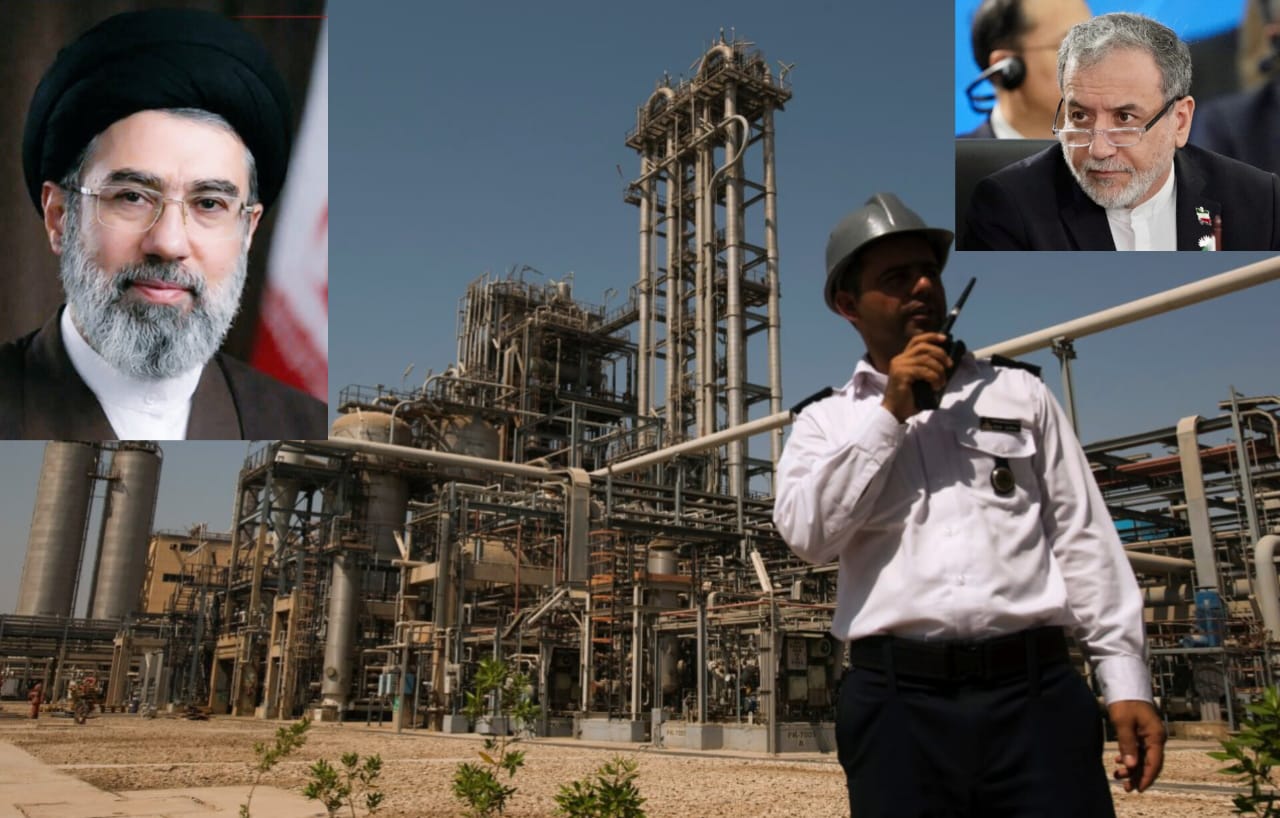
The Islamic Republic of Iran says it expects to restore up to 80 percent of its damaged refining and petrochemical capacity within the next two months, signaling a major step toward recovery for the country’s battered energy sector and offering cautious relief to volatile global energy markets following months of war with the United States and Israel.
Senior Iranian oil officials said emergency reconstruction efforts are progressing rapidly after widespread strikes targeted refineries, petrochemical plants, oil depots and fuel distribution networks during the conflict.
Deputy Oil Minister Mohammad Sadeq Azimifar said most damaged refining and distribution facilities are expected to return to between 70 and 80 percent of their pre-war capacity within one to two months, while additional restoration work would continue in later phases until full recovery is achieved.
READ ALSO: BREAKING: US And Iran Agree To End War — Pakistan
Azimifar disclosed that part of the strategically important Lavan refinery would resume operations within days, with other units returning gradually as reconstruction teams replace damaged equipment and restore industrial systems.
The recovery drive comes after one of the most destructive attacks ever carried out against Iran’s energy infrastructure.
During the war, Israeli officials claimed strikes on facilities in Asaluyeh and Mahshahr disabled more than 85 percent of Iran’s petrochemical export capability, triggering severe disruptions across regional energy and chemical supply chains.
The attacks shook global markets because Iran remains one of the Middle East’s most important producers of petrochemicals, liquefied petroleum gas and industrial feedstocks used in plastics, fertilizers, manufacturing and transport industries worldwide.
Industry analysts warned at the height of the conflict that prolonged disruption to Iranian petrochemical production could worsen global inflation, tighten industrial supply chains and increase costs for industries ranging from construction and automobiles to aviation and consumer goods.
The reopening of Iranian facilities is therefore being closely watched by traders, energy companies and governments around the world.
Energy experts say restoring 70 to 80 percent of Iran’s refining and petrochemical network within two months could significantly reduce fears of a prolonged supply shock in the Gulf region, especially if the fragile ceasefire between Washington and Tehran continues to hold.
The conflict had raised fears of major disruptions around the Strait of Hormuz, one of the world’s most strategic maritime energy corridors through which a substantial share of global oil and gas exports passes.
Global oil prices surged during the war amid concerns that continued attacks on energy infrastructure could cripple supplies across the region. Petrochemical prices also climbed sharply as manufacturers struggled with shortages of key feedstocks linked to Iranian exports.
Iranian officials say the rapid pace of reconstruction demonstrates the resilience of the country’s energy sector despite extensive wartime damage.
Mohammad Shariatmadari, head of a major Iranian petrochemical holding company, said affected plants had resumed operations after what he described as fast and coordinated reconstruction work carried out by domestic engineers and technical teams.
According to Iranian authorities, emergency repair crews were deployed almost immediately after the attacks, with thousands of workers mobilized to restore pipelines, storage facilities, electricity systems and refining units across the country.
Despite the optimism, analysts caution that Iran’s recovery remains incomplete.
Some heavily damaged facilities are still operating below full capacity, while sanctions, shipping restrictions, insurance costs and supply-chain problems may continue to affect exports even after physical repairs are completed.
Still, the restoration effort is being viewed as one of the clearest signs yet that the region may be slowly moving away from the brink of a broader energy catastrophe.
The reconstruction also coincides with a diplomatic breakthrough after Pakistan announced that the United States and Iran had agreed to a ceasefire framework following intensive negotiations aimed at ending months of escalating confrontation.
While tensions remain over Israel’s military operations in Lebanon and wider regional security issues, the gradual reopening of Iran’s energy sector is already beginning to calm fears in international markets.
The petrochemical industry remains one of the country’s largest sources of export earnings and a crucial pillar of its economy. Restoring production is therefore not only an industrial priority but also a strategic necessity as Tehran attempts to stabilize its economy after months of war and international pressure.
For the global market, Iran’s recovery could help ease supply shortages, reduce pressure on energy prices and stabilize petrochemical trade flows that were severely disrupted during the conflict.
Whether the projected 80 percent recovery target is fully achieved within two months may ultimately determine how quickly both Iran and the wider global energy market can recover from one of the most dangerous crises the region has faced in years.