
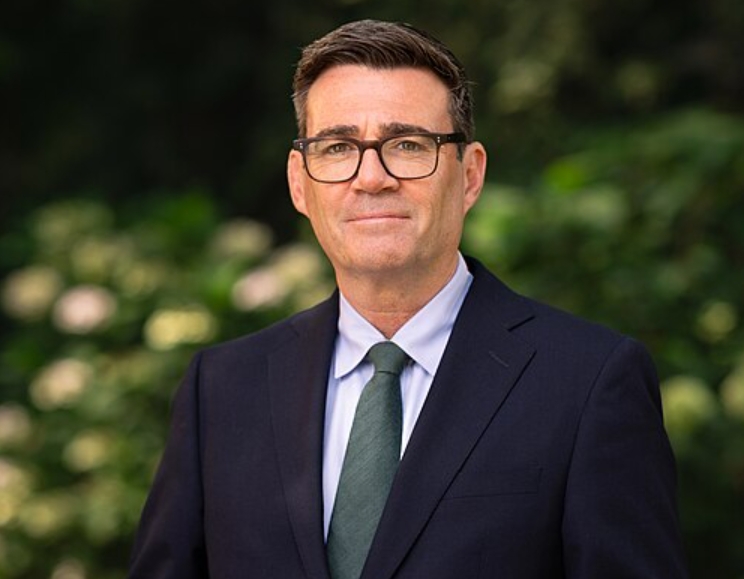
British Prime Minister Andy Burnham has secured a major post-Brexit agreement with the European Union, marking a significant shift in relations between the United Kingdom and the 27-member European bloc after years of disagreements following Britain’s withdrawal from the organisation.
The agreement, concluded at a summit in Brussels on November 20, 2026, is designed to rebuild economic, diplomatic, educational and security cooperation without reversing Brexit.
Burnham described the agreement as a new chapter in Britain’s relationship with Europe, arguing that closer cooperation would create economic opportunities, reduce trade barriers and strengthen Britain’s international position. European Commission President Ursula von der Leyen and European Council President António Costa also welcomed the renewed partnership, highlighting shared interests in European security, economic stability and support for Ukraine.
READ ALSO: Kano Poly Council Queries Rector Abubakar Faruk Over Financial, Administrative Irregularities
A major component of the agreement concerns trade, with both sides planning to reduce inspections, certificates and administrative barriers affecting agricultural products, food, plants and animals. The proposed framework, targeted for implementation from March 2028, is expected to reduce business costs and improve access to European markets for British exporters.
The agreement also introduces a proposed youth mobility scheme allowing up to 100,000 young people annually from each side to live, work, study, volunteer or travel in the other territory for up to three years.
Britain is also expected to rejoin the EU’s Erasmus+ student exchange programme in 2027, while both sides have agreed to link their carbon emissions trading systems from 2028 to support businesses and climate cooperation.
Beyond economic relations, the agreement provides for stronger cooperation in defence, intelligence, cybersecurity, counterterrorism, migration and protection of critical infrastructure.
The renewed partnership could strengthen Western coordination on Russia’s war against Ukraine and wider European security challenges. Britain remains a major military and intelligence power, as well as a permanent member of the United Nations Security Council, making its participation important to European diplomatic and security discussions.
Both sides have also expressed interest in improving cooperation against human trafficking, people-smuggling networks and irregular migration, while discussions on electricity markets, industrial supply chains and other areas of economic integration are expected to continue.
For Burnham, the agreement represents both a diplomatic achievement and a political test. His government can present it as evidence that closer cooperation with Europe can deliver economic and security benefits without restoring Britain’s EU membership. However, the deal has reopened political divisions over Brexit, with critics, including Reform UK leader Nigel Farage, warning against what they consider a gradual return to European integration.
Concerns have also been raised about regulatory alignment, immigration, financial contributions and the possibility that Britain could adopt European rules without having a direct vote in making them. Meanwhile, supporters of closer relations argue that further cooperation is necessary to address economic challenges and strengthen Britain’s international influence.
Despite the agreement, Britain has not rejoined the European Union, its single market or customs union, and remains outside the bloc’s political and economic institutions following its formal withdrawal in January 2020.